

Africa seeks investment boost through seed-sector reforms
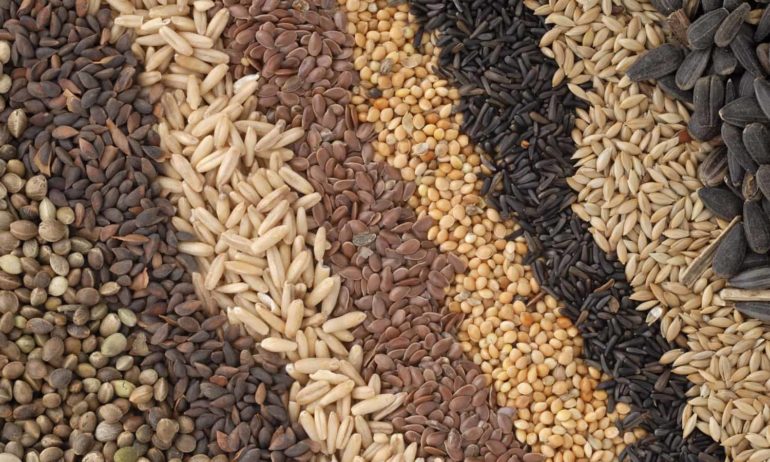
DAR ES SALAAM: AFRICA is stepping up efforts to attract investment into its seed industry and boost agricultural productivity, with continental policymakers and industry players set to meet in Dar es Salaam this November to advance sector reforms.
According to a press release issued on recently, the four-day meeting will bring together representatives of African Union (AU) member states, regional economic communities, research institutions, farmers’ organisations, private-sector players and development partners.
The 7th Steering Group Meeting and 3rd General Assembly of the African Seed and Biotechnology Partnership Platform (ASB PP) are being convened by the African Union Development Agency-NEPAD (AUDA-NEPAD), in coordination with the African Union Commission (AUC).
The meeting comes as African countries seek to address food insecurity, improve agricultural productivity and strengthen resilience to climate change. Access to quality seeds and planting materials remains critical to raising crop yields and strengthening food supply chains.
According to the release, stronger seed systems could create investment opportunities in seed production, research, biotechnology and distribution, while improving farmers’ access to reliable planting materials.
Key discussions will focus on revising the African Seed and Biotechnology Programme (ASBP) ten-Year Action Plan, advancing the Farmer-Managed Seed Systems Framework and harmonising seed policies across regional economic communities.
The Steering Group Meeting will also address the transfer of Secretariat responsibilities from the Forum for Agricultural Research in Africa (FARA) to AUDA-NEPAD, following a February 2026 AU Executive Council decision endorsing revised operational guidelines.
The General Assembly will also review implementation progress and consider outcomes of the African Union Ministerial Seed Summit held in Eswatini in October.
Delegates will further discuss improving access to quality seeds, strengthening seed and gene banks, and mobilising resources for sector development.
The African Seed Sector Performance Index (ASSPI) will also feature as part of efforts to improve performance monitoring and accountability.
Expected outcomes include governance recommendations, a Secretariat transition roadmap and 2027–2028 workplans aligned with the revised continental action plan.



The focus on seed-sector reforms in Dar es Salaam is a significant step for agricultural productivity. I’m curious how these policy changes might impact the availability of specific crop varieties for smallholder farmers. Also, taking a short break with a simple rotate rings game helps clear the mind before diving back into complex policy analysis.
The November meeting in Dar es Salaam is a key moment for seed-sector reforms. I sometimes turn to krillion answers for a creative break, then come back to what matters. I wonder how these policy shifts will specifically affect smallholder farmers’ access to crop varieties. Taking a short break with a simple rotate rings game helps clear the mind before diving back into complex policy analysis.
The Dar es Salaam meeting is a key step for seed-sector reforms. I wonder how these policies will improve access to diverse crop varieties for smallholder farmers. Taking a quick break with an arrow spinner helps reset the mind before diving back into the details of agricultural productivity.