DAWASA executes modern sewage treatment plants

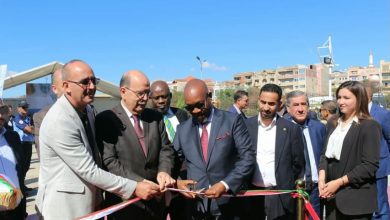
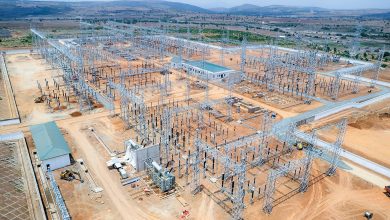
THE Dar es Salaam Water and Sanitation Authority (DAWASA) has started to implement construction project of eight modern sewage treatment plants for solid waste that will bring relief and contribute to improvement of health for the people of Dar es Salaam.
The project aims is to deal with environmental pollution in residential areas in the city. The project is implemented by the authority in collaboration with the World Bank (WB) through the second phase of the Water Sector Improvement Project, which involves construction of eight modern sewage treatment plants in Kinondoni, Temeke, Kigamboni, Ubungo and Ilala districts.
DAWASA Environment and Sanitation Unit Manager, Engineer Amon Gracephord said that implementation of the project has already started in the areas of Mabwepande, Gezaulole, Kimbiji, Kisopwa, Vijibweni, Vikunai, Mtoni and Zingiziwa.
“The objective is to increase efficiency of the sewage infrastructure,” he said, adding that DAWASA is constructing the Vingunguti and Kurasini waste reservoirs as well as the sewage treatment plants in Mburahati, Wailes, Mlalakuwa and Toangoma.
He said the aim is to reduce the distance between the resident toilet and the area where the waste will be disposed of, which currently makes the costs of sewage disposal services high.
“When the waste processing area is close to the people’s residence, it means even the service costs will decrease,” he said.
Eng Gracephord explained the benefits of the project will include the production of fertilisers to be used in gardens for tree planting and gas that can be used in cooking.
“Apart from processing solid waste, these plants have the ability to produce fertiliser, gas and water for irrigation in garden as it is done in our plants at Mburahati, Mlalakuwa and Toangoma,” he said.
He said that the contractor for the project has already been shortlisted and construction of the plants is expected to start in February, 2023 after the initial steps are completed.
On his part, Ilala District Health Officer, Mr Reginald Mlay, said that the sewage treatment plant project has great benefits in the health sector as it will reduce the risk of people contracting epidemic diseases such as cholera.
The environmental sanitation improvement project involves the construction of eight modern solid waste plants with the capacity to process 780,000 liters per day, the construction of 12 simple systems to remove waste from homes, the construction of 30 public toilets and the total project will cost approximately 35bn/-and is expected to serve approximately 1.7 million residents in Dar es Salaam.