CSOs receive 5.2bn/- for conservation projects
DAR ES SALAAM: FORTY-NINE civil society organisations (CSOs) in Mainland Tanzania and Zanzibar are set to receive grants totalling 5.2bn/- (2 million US dollars) to support community-led environmental conservation and sustainable development projects.
The funding is being provided under the eighth operational phase (OP8) of the Global Environment Facility (GEF) Small Grants Programme (SGP), implemented by the United Nations Development Programme (UNDP).
The grants will benefit approximately 6,000 people in rural communities through initiatives targeting biodiversity conservation, environmental restoration, climate change mitigation and sustainable livelihoods.
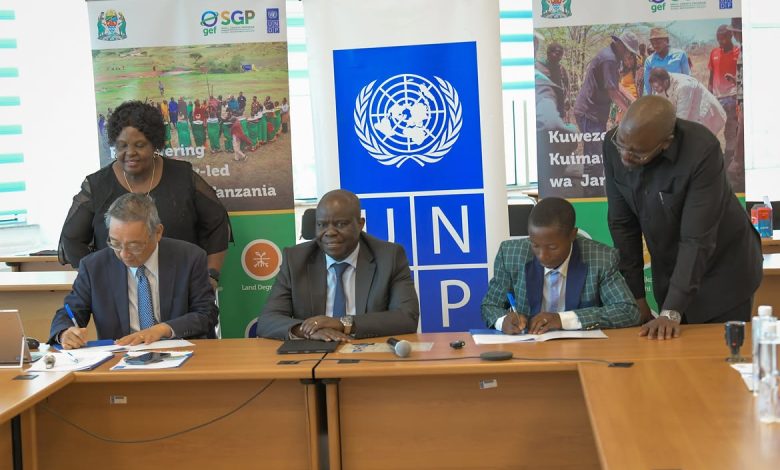
The grant agreements were signed in Dar es Salaam on Friday at a ceremony attended by UNDP Resident Representative Shigeki Komatsubara and the Permanent Secretary in the Vice-President’s Office, Dr Richard Muyungi, alongside representatives of the selected organisations and the programme’s National Steering Committee.
Over the next 20 months, the projects will focus on three priority landscapes: the Serengeti ecosystem, Central Tanzania, particularly Dodoma and Zanzibar, covering Unguja and Pemba.
Thirty per cent of the programme’s resources will support projects outside the identified priority areas to promote inclusive development.
The initiatives will cover reforestation and ecosystem restoration, climate-smart agriculture, coastal and marine resource management, clean energy and circular economy activities.
Speaking during the signing ceremony, Mr Komatsubara said community participation and ownership were essential for achieving sustainable environmental conservation.
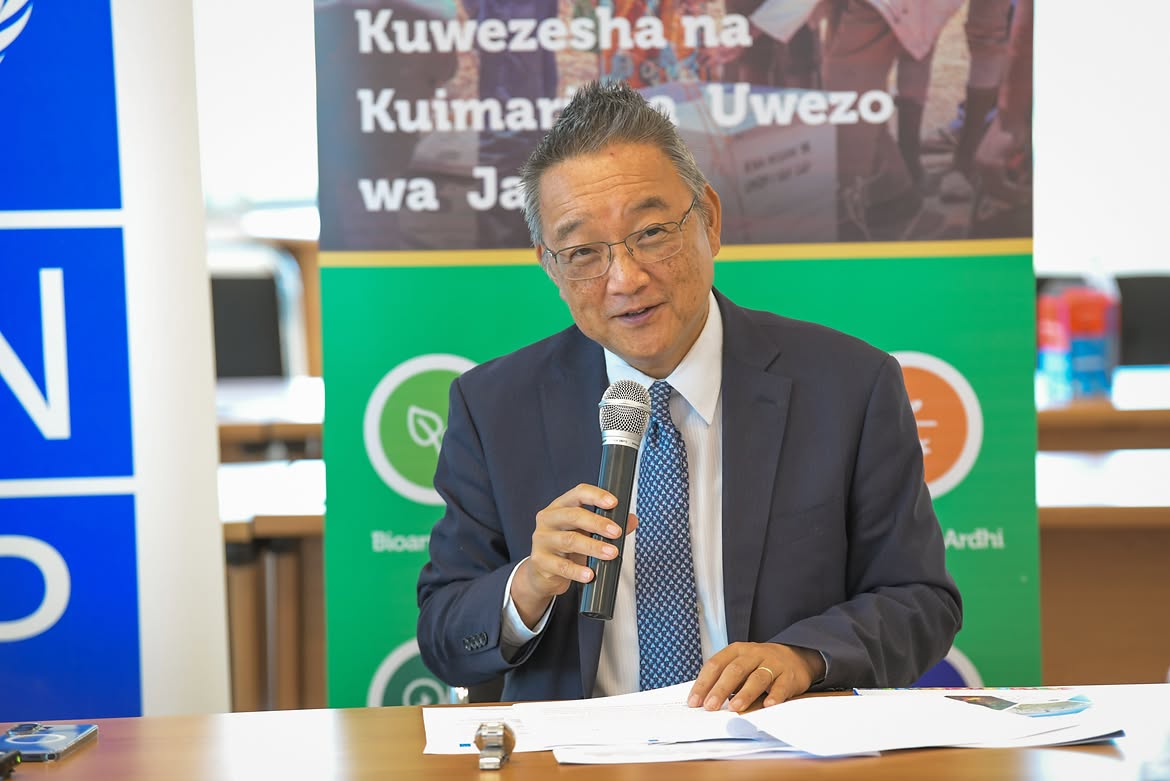
He said the grants, although relatively modest, could help mobilise communities and attract additional development partners to expand successful initiatives.
He challenged the selected organisations to work with communities in addressing biodiversity loss, environmental degradation, climate change, poverty and inequality.
Mr Komatsubara said the projects should deliver tangible results that could attract further investment and be replicated in other areas.
Dr Muyungi said the government remained committed to supporting communityled development and ensuring citizens actively participate in initiatives aimed at improving livelihoods and protecting the environment.
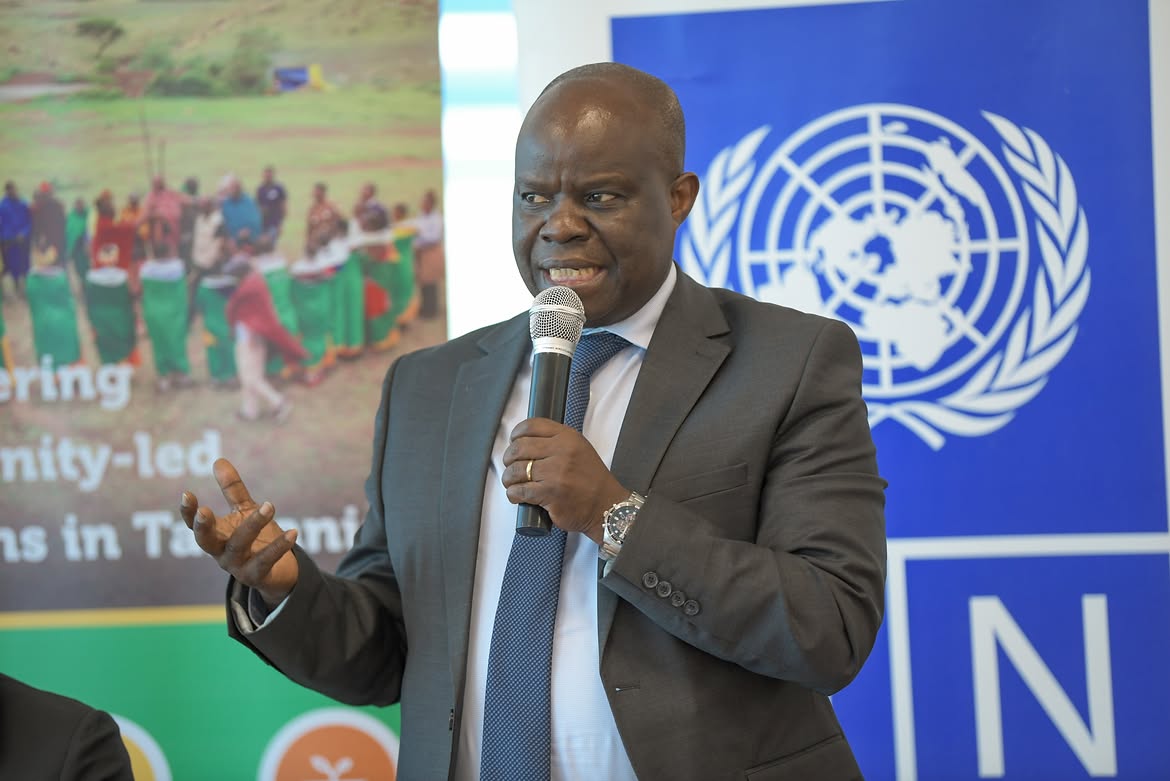
He urged the 49 organisations to work closely with communities, embrace innovation, share knowledge and ensure effective use of the resources to achieve lasting results.
The latest funding cycle builds on nearly three decades of the Small Grants Programme in Tanzania, which started in 1997.
Since its introduction, the programme has committed more than 13 million US dollars from the GEF and other development partners, supporting over 440 projects across the country.
The investments have supported rural communities in restoring degraded landscapes, protecting critical ecosystems and strengthening their economic resilience.
The programme is aligned with national development priorities, including Tanzania Development Vision 2050 (Dira 2050), with an emphasis on strengthening local capacity and promoting sustainable livelihoods.