Tanzania supports regional El Niño response plan
NAIROBI: TANZANIA has called on East African Community (EAC) partner states to strengthen cooperation and take coordinated measures to minimise the anticipated impact of El Niño rains on people, infrastructure and economic activities.
The country has also reaffirmed its commitment to supporting the EAC Emergency Preparedness and Response Plan, emphasising the importance of timely information-sharing and joint action in addressing potential risks.
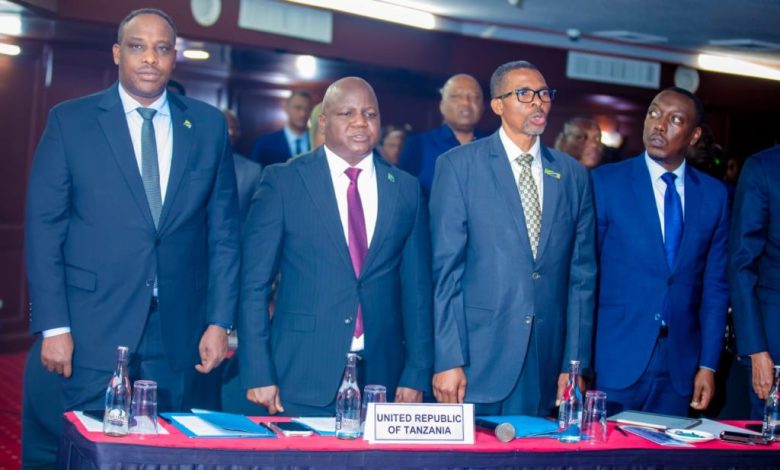
Deputy Minister for Lands, Housing and Human Settlements Development, Mr Kaspar Mmuya, made the remarks while representing the Minister of State in the Prime Minister’s Office (Policy, Parliament, Coordination and Persons with Disabilities), Prof Palamagamba Kabudi, at an emergency meeting of sectoral ministers held in Nairobi, Kenya on Friday.
The meeting discussed preparations and coordinated measures to address the anticipated El Niño rains.
Mr Mmuya said disasters associated with climate change do not respect national borders, making cooperation among EAC partner states essential in managing the risks and strengthening the region’s capacity to respond to their effects.
He said Tanzania continues to strengthen its early warning systems, weather monitoring, assessment of vulnerable areas and public awareness, while improving mechanisms for emergency response.
The meeting, which was also attended by Deputy Minister for Foreign Affairs and East African Cooperation, Mr James Millya, endorsed the EAC El Niño Emergency Preparedness and Response Plan (EAN-PREP).
The plan aims to strengthen cooperation among Partner States in issuing early warnings and responding to El Niño impacts across key sectors, including health, infrastructure, agriculture and food security.
The EAC Secretariat was urged to mobilise resources for implementing the plan and strengthen cooperation with the Intergovernmental Authority on Development (IGAD) and national meteorological institutions.
Speaking in the National Assembly on Friday while moving a motion to adjourn the 5th Meeting of the 13th Parliament, Prime Minister Dr Mwigulu Nchemba urged Tanzanians to follow weather advisories and take precautionary measures as El Niño conditions develop, warning of possible weather-related impacts in some parts of the country.
The Premier also expressed sympathy to residents already affected by weatherrelated incidents, assuring them that the government was monitoring the situation and would take appropriate measures in collaboration with relevant authorities.
He said scientific assessments by the Tanzania Meteorological Authority (TMA) showed a high possibility of the phenomenon continuing, with ocean temperatures remaining above the average threshold associated with El Niño.
According to the Prime Minister, sea surface temperatures had remained 0.5 degrees Celsius above average as of November 1, 2026, indicating the presence of the phenomenon and the potential for weather-related impacts.
“I would like to use this opportunity to express my condolences to citizens who have already suffered the effects of this situation in some regions where reports of incidents have been received,” he said.
Dr Nchemba urged citizens to continue following instructions and advice from responsible authorities to minimise the risk of disasters and damage.
He said the government will continue monitoring weather conditions and coordinating responses with institutions responsible for disaster management and public safety.
Speaking to journalists recently, TMA Director General Dr Ladislaus Chang’a said rainfall forecasts issued on August 18 and October 23 indicated that several parts of the country would receive normal to above-normal rainfall, a trend that was already being observed.
The Lake Victoria Zone, covering Kagera, Geita, Shinyanga, Mwanza and Mara regions, was among the areas that had started receiving rainfall.
Dr Chang’a said data from the Bukoba weather station showed that October rainfall exceeded the long-term average. Rainfall had also started in the Northeastern Highlands and Northern Coast, covering Tanga, Dar es Salaam, Pwani, Mafia, Unguja, Pemba and northern Morogoro.
The developments highlight the importance of early preparedness, particularly in areas vulnerable to flooding, infrastructure damage and disruption of livelihoods as the country experiences increased rainfall.