Tanzania banks on its environmental transformation drive to generate 25,000 new jobs by 2030
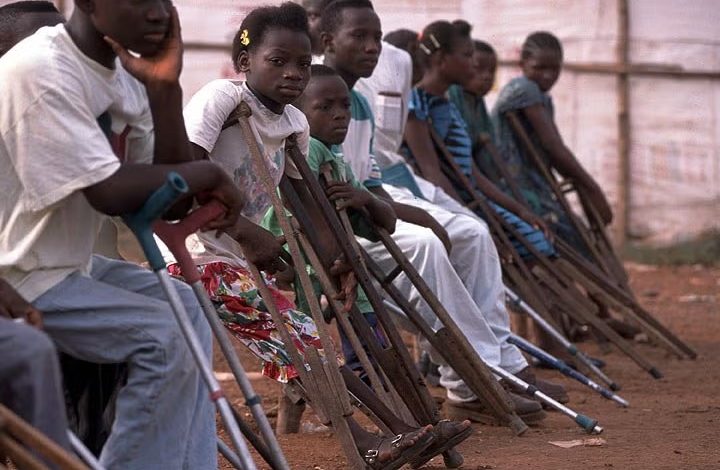
DODOMA: THE Tanzania Sustainable Environmental Transformation Programme towards Vision 2050 is expected to generate more than 25,000 employment opportunities by 2030, including for people with disabilities.
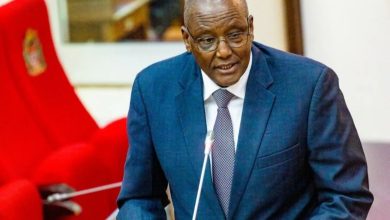
Deputy Minister in the Vice-President’s Office (Union and Environment), Reuben Kwagilwa, made the announcement in Parliament in Dodoma on November 4, 2026, while responding to a question from Special Seats MP Yumna Mmanga Omar.
Ms Omar had sought to know the measures taken by the government to ensure that people with disabilities access employment and economic opportunities in environmental conservation, waste management and the green economy.
In his response, Kwagilwa said the government, through the Vice-President’s Office, had undertaken policy reviews and implemented development projects focusing on environmental conservation and climate change.
He cited the Sustainable Landscape Restoration and Biodiversity Conservation in Tanzania (SLR) project, also known as the Integrated Ecosystem Management project, which has generated approximately 18,336 direct jobs, including opportunities for people with disabilities.
ALSO READ: Tanzania in talks with IFAD to create job opportunities from deep-sea fishing, blue economy
The SLR project seeks to address environmental degradation, including deforestation, charcoal production and destruction of water sources, by providing communities with alternative income-generating activities.
The project is being implemented in seven district councils across five regions: Iringa Rural in Iringa Region; Mbeya and Mbarali in Mbeya Region; Wanging’ombe in Njombe Region; Sumbawanga Rural in Rukwa Region; and Tanganyika and Mpimbwe in Katavi Region, covering 54 villages.
Mr Kwagilwa said the government would continue reviewing policies and legislation to ensure that people with disabilities receive appropriate opportunities in environmental conservation projects coordinated by the Vice-President’s Office.
He added that the office was also implementing inclusive projects that involve people with disabilities, while providing public education to help them identify and benefit from the economic opportunities available through the initiatives.