Take charge of economic future, Shoo tells youth
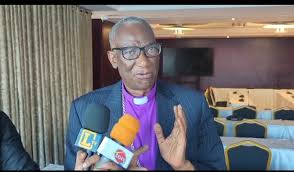
KILIMANJARO: THE Chairman of the Kilimanjaro Regional Interfaith Council, Bishop Dr Frederick Shoo, has urged young people to take advantage of available economic opportunities to improve their livelihoods and contribute to the successful implementation of the country’s Dira 2050.
Bishop Dr Shoo made the call over the weekend when opening the Kilimanjaro Interfaith Youth Seminar in Moshi, which brought together young people from different religious faiths and denominations across the region.
He said the vision, which seeks to transform Tanzania into a prosperous, industrialised and climate-resilient upper-middleincome economy, presented numerous opportunities for young people to participate in national development.
“The government has already launched the 2050 Development Vision, which aims to transform the nation into a prosperous, industrialised and climate-resilient upper-middleincome economy. For you, young people, there are many opportunities through which you can contribute to the success of that vision,” he said.
He noted that Tanzania had abundant economic opportunities in sectors such as tourism, agriculture, mining and the digital economy, urging young people to identify and make productive use of them.
“Tanzania possesses a vast array of economic opportunities across various sectors, such as tourism, agriculture, mining and the digital space, to name a few. By effectively leveraging these opportunities, you will improve your own economic well-being as well as contribute to the growth of the national economy,” he said.
Bishop Dr Shoo, who is also the Head of the Northern Diocese of the Evangelical Lutheran Church in Tanzania (ELCTND), further urged young people to maintain their spirit of cooperation regardless of their religious affiliations, saying unity was essential for safeguarding the peace and solidarity enjoyed by Tanzanians.
“It is heartening to see young people from various religions and denominations united with a common goal of fostering economic development. I encourage you to uphold this unity and refuse to be swayed, so that the precious gift of peace and unity bestowed upon us by God may continue to prevail,” he said.
Presenting a paper at the seminar, the Director of the Kilimanjaro Consortium Development and Environment (KCDE), Professor Fr Aidan Msafiri, challenged young people to cultivate self-awareness, saying the practice would help them recognise their abilities, develop their potential and contribute more effectively to nation-building.
“Self-awareness is universally recognised as a foundational pillar for youth development, helping young people navigate their identities, manage emotions and build social resilience,” he said.
In his presentation, titled ‘Young Person, Recognise Your Own Potential and Discover the Opportunities That Surround You’, Prof Fr Msafiri said young people had enormous potential to drive national development through innovation, economic participation, leadership and community engagement.
ALSO READ: Why women’s economic development matters for peace
He said young people could embrace and develop modern digital tools, drive technological advancement and contribute to economic modernisation.
“Youth workers and startup founders can build local businesses, boost productivity and help address unemployment challenges in the country,” he said.
For his part, the training coordinator, Reverend Andrew Munisi, said the seminar had been organised by the ELCTND Department of Stewardship in collaboration with Norwegian Church Aid Tanzania.
He said the initiative aimed to strengthen the economic capacity of young people from different religious backgrounds and equip them with the knowledge and skills needed to identify and exploit available economic opportunities in line with the country’s 2050 Development Vision.
“This training brings together young people from various religions and denominations with the aim of building their economic capacity in line with the nation’s 2050 Development Vision. Among other things, they will learn to identify the potential economic opportunities available to them as Tanzanians,” he said.
Rev Munisi added that empowering young people through education, specialised training and practical skills was essential for building a capable workforce that could drive sustainable national development.