Government allocates 960m/- to boost inclusive education in Bagamoyo
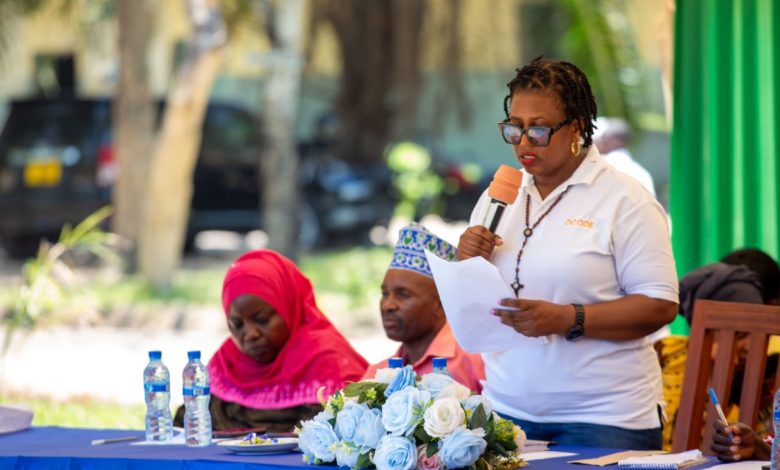
BAGAMOYO: CHILDREN with disabilities in Bagamoyo District, Coast Region, are set to benefit from improved access to inclusive education following the government’s allocation of 960m/- for infrastructure development at Nianjema Primary School.
The funds will finance the construction of several facilities, including a dormitory for boys with special needs and an Educational Support Resource and Assessment Centre (ESRAC).
The centre will be used to screen, identify and assess children with disabilities to establish their individual learning needs, facilitate appropriate school placement and provide the necessary support services.
District Pre-Primary and Primary Education Officer, Ms Wema Kajigili, disclosed this a few days ago during the inauguration of a new classroom for Complementary Basic Education in Tanzania (COBET) students at the school.
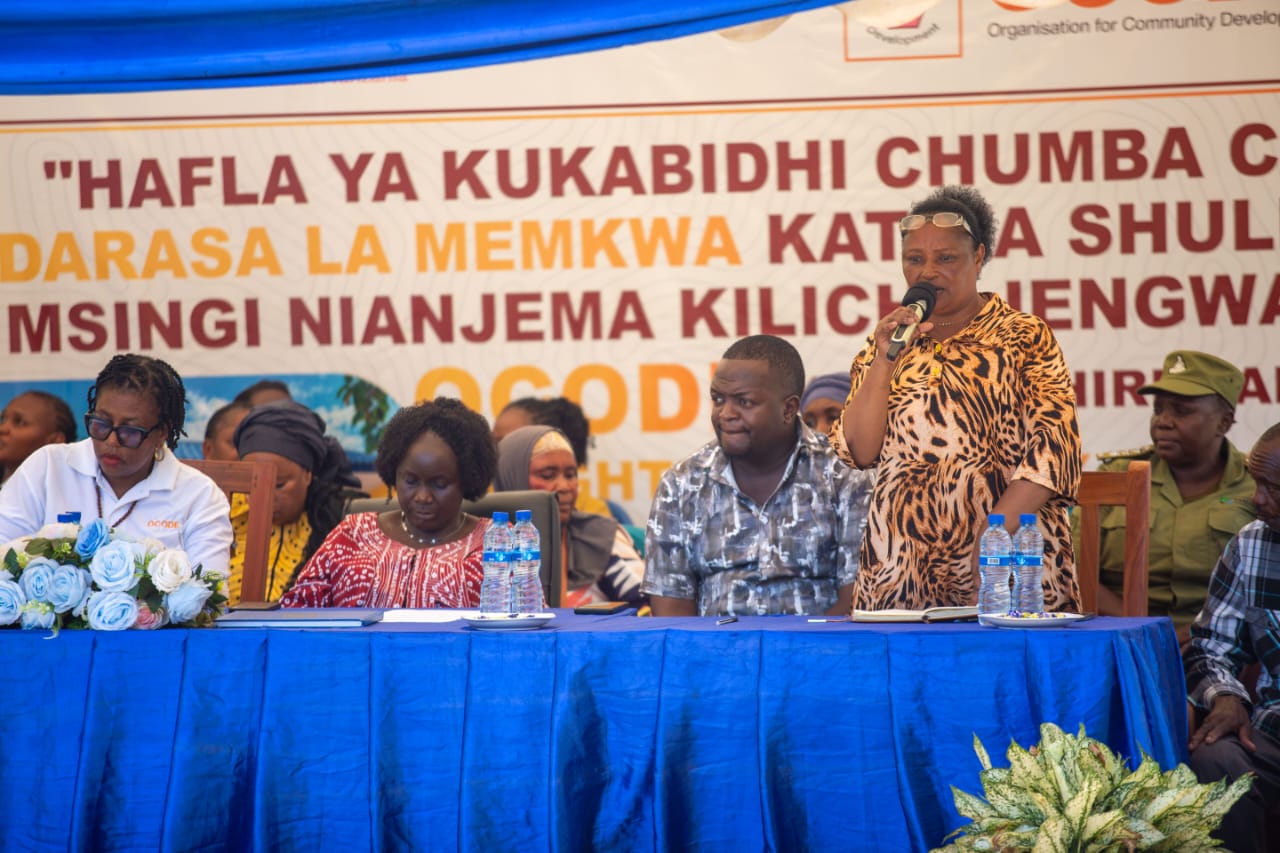
The classroom was constructed by the Organisation for Community Development (OCODE) in collaboration with the Stromme Foundation.
“We are very grateful to the government for releasing this money, which is going to transform primary education in our district,” she said.
Ms Kajigili said the government would continue working with development partners, including OCODE, to strengthen the education sector, urging communities to support such initiatives.
She also cautioned parents against concealing children with disabilities at home instead of enrolling them in school, warning that appropriate action would be taken against those who continued with the practice.
OCODE Head of Programmes, Ms Digna Mushi, said the newly constructed classroom was part of the organisation’s efforts to complement Government initiatives aimed at improving education services in the district, where it began operating in July 2024.
ALSO READ: Government allocates 3.5bn/- to modernise Kongwa offices
She said OCODE had been implementing the Sauti Zetu project, which focuses on strengthening inclusive education in schools across Bagamoyo District.
According to Ms Mushi, the project had contributed significantly to raising community awareness about the importance of education and increasing enrolment among children who had previously been excluded from learning opportunities.
“In 2024, there were 45 COBET students at this school. The number increased to 95 in 2025 following successful awareness campaigns conducted in collaboration with the district council, and has now reached 108,” she said.
She added that the students had previously been using a small classroom that could not adequately accommodate them, but the newly constructed facility was more spacious and modern, providing a better learning environment.