From Serengeti to the village, students take up the conservation challenge
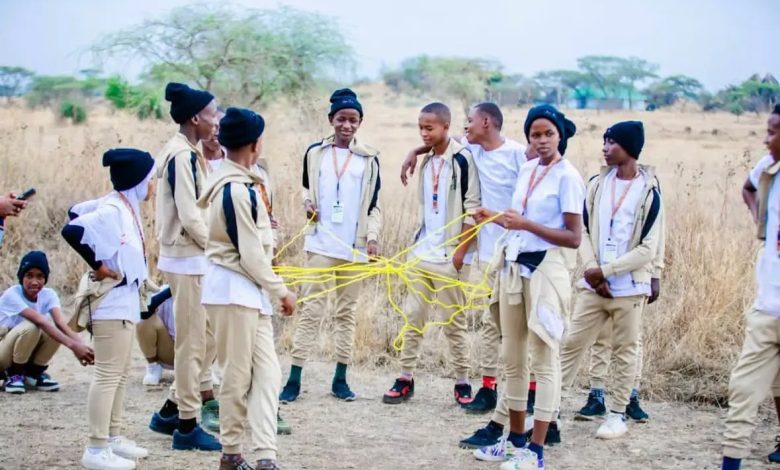
BABATI: FOR 40 secondary school students from communities surrounding Burunge Wildlife Management Area (WMA) in Babati District, a five-day educational tour of Serengeti National Park and the Ngorongoro Conservation Area offered lessons in environmental protection, wildlife conservation and sustainable tourism.
The students returned with more than memories of visiting two of Tanzania’s renowned conservation destinations. They also carried a responsibility to share their knowledge with villagers and explain how climate change, environmental degradation and human activities affect the natural world.
When Babati District Council Executive Director Anna Mbogo welcomed the students home on October 25, 2026, she stressed that their learning should not end with the journey. They were expected to become ambassadors for environmental protection, educating villagers about climate change, wildlife conservation and the benefits of sustainable tourism.
Ms Mbogo said Babati District, in Manyara Region, was experiencing the effects of climate change, although some residents remained unaware of the consequences. She urged the students to work with teachers and other stakeholders to spread awareness and help communities understand the changes taking place around them.
“We have seen significant changes in rainfall patterns and rising temperatures and El Niño rains are expected this year. You have received education on these issues, including environmental conservation, so we expect you to return to your villages and share this knowledge,” she said.
Her message placed the students at the centre of a community initiative, recognising their potential to connect environmental knowledge with people’s everyday experiences. Changing rainfall patterns and rising temperatures can affect agricultural production, water availability and ecosystem health.
Communities need reliable information to understand these risks and respond appropriately. For residents of Babati District, environmental education can help explain the relationship between human activities and changes affecting their surroundings.
The students are therefore expected to do more than repeat lessons from the tour. They can help villagers connect environmental knowledge with daily decisions, including responsible resource use and protection of wildlife habitats.
Working with teachers and local stakeholders, they could share information through school activities, village meetings and discussions with other young people. These exchanges could also bring generations together, allowing students to learn from residents’ experiences of local environmental changes while sharing new information.
Ms Mbogo said the tour would have greater value if its lessons reached more people and strengthened environmental and wildlife conservation efforts. She noted that many Tanzanians had never visited the country’s leading conservation destinations, while others paid substantial amounts to do so.
“You have been given a great opportunity to visit and learn about Serengeti and Ngorongoro, but many Tanzanians have not had this opportunity, while others pay substantial amounts of money to access it. You should therefore become good ambassadors for conservation and tourism,” she said.
The tour was organised by Chem Chem Association in collaboration with other stakeholders to expose students to conservation and tourism through practical learning. Chem Chem Association supports tourism and conservation activities in the Burunge area, where environmental protection and community participation are important to sustaining natural resources.
Director Clever Zulu said the organisation and its partners had sponsored the tour for the second time to give students practical knowledge they could share with their communities. “At Chem Chem, we believe that if you, as young people, understand the benefits of conservation and tourism, you will educate others and pass on the importance of protecting the environment and wildlife to future generations,” he said.
Communities near wildlife areas often face the challenge of balancing daily needs with conservation. Wildlife and natural habitats support tourism, biodiversity and ecological systems on which people depend, but lasting protection requires communities to understand why conservation matters and how it relates to their livelihoods.
For the 40 students, the experience offered an opportunity to explore these connections and consider how to apply their knowledge at home. It also demonstrated how conservation organisations, government institutions, schools and other stakeholders can work together to support environmental education.
Education can help residents recognise the value of natural resources, encourage responsible practices and promote sustainable use of land and water. Young people can challenge misconceptions by sharing reliable information and encouraging discussion about healthy ecosystems.
However, their efforts will need continued support from teachers, local leaders, conservation organisations and government authorities to ensure messages remain accurate and reach wider audiences. Babati District Wildlife Officer Christopher Laizer said the tour would contribute to conservation by increasing the number of ambassadors able to educate rural communities about wildlife protection and tourism.
His assessment highlights the importance of sustained community engagement. The students provide another channel through which conservation messages can reach households and young people who might otherwise have limited access to specialised environmental education.
Fatuma Shaban and Lulu John said they intended to use what they had learned to educate others. They explained that the tour had taught them about conservation, wildlife behaviour and climate change. Their commitment reflects the initiative’s central aim: ensuring the experience benefits people beyond those who took part.
As conservation ambassadors, they can share lessons with peers, families and neighbours and encourage responsible attitudes towards wildlife and the environment. Their example could also inspire other students to take an interest in conservation.
Chem Chem Association Community Development Projects Officer Napendali Wazoeli thanked teachers, Kanaga Tours, Mkono kwa Mkono organisations and the government for supporting the five-day tour. Her acknowledgement highlighted the collaborative effort required to make the initiative possible and the importance of partnerships that expand learning opportunities for young people.
Some parents who participated in the trip also thanked Chem Chem Association and the government, saying the experience had provided valuable lessons they could apply in their own lives and share with their communities. The real measure of the initiative will be whether the students turn their experiences into sustained awareness and practical action in their villages.
Success will depend partly on support from teachers, local authorities, parents and conservation partners, as well as opportunities to organise discussions and share information.
ALSO READ: Golfers see the splendour of Serengeti National Park course
The students will need to explain the lessons in ways that relate to people’s daily lives, helping villagers understand the links between environmental protection, climate change, wildlife and livelihoods.
For Chem Chem Association and its partners, the programme offers an opportunity to strengthen the link between conservation education and community participation. For the students, it is a chance to demonstrate that young people can contribute meaningfully to protecting Tanzania’s natural heritage.
The journey to Serengeti and Ngorongoro lasted five days, but its intended impact extends far beyond the destinations visited. The 40 students have returned with a responsibility to share what they learned and encourage others to protect the environment.
Their work can keep conservation central to community discussions. Their mission is to turn knowledge into awareness, awareness into responsible choices and those choices into a lasting commitment to conservation.
Ultimately, the initiative’s success will be measured not only by the number of students who visited the two conservation areas, but by how far their lessons travel and how effectively they inspire communities to protect the wildlife and natural resources future generations will inherit.