Tanzania, KOFIH review progress of laboratory infrastructure for training healthcare workers

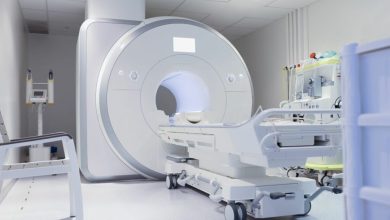
DAR ES SALAAM: THE Ministry of Health, through the National Public Health Laboratory (NPHL), in collaboration with the Korea Foundation for International Healthcare (KOFIH), is implementing a five-year project aimed at strengthening laboratory infrastructure and building the capacity of healthcare workers in the management and control of infectious diseases to improve healthcare delivery in Tanzania.
Speaking on behalf of the Chief Medical Officer, Professor Bruno Sunguya, at a project implementation review meeting held in Dar es Salaam, the Ministry of Health’s Director of Diagnostic Services and Medical Equipment, Dr Alex Magesa, said the National Public Health Laboratory plays a critical role in protecting public health, particularly through the diagnosis of infectious and non-communicable diseases.
Dr Magesa thanked the Government of the Republic of Korea, through KOFIH, for its continued collaboration with the Tanzanian government and the Ministry of Health in improving the infrastructure, equipment and operational resources of the National Public Health Laboratory. He said the support would strengthen the country’s capacity to detect and respond to various diseases.
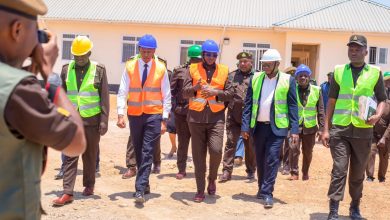
He explained that the review meeting was important for assessing the project’s implementation status, evaluating progress, identifying existing challenges and developing joint strategies to address them. These efforts, he said, would help ensure effective implementation and achievement of the project’s intended objectives.
Dr Magesa also urged the public to promptly report any symptoms that could indicate disease to healthcare professionals, particularly at a time when the world and Africa face the risk of disease outbreaks, including Ebola. He said early reporting would enable health authorities to conduct timely investigations and implement appropriate control measures.
Meanwhile, the Director of the National Public Health Laboratory, Dr Peter Mbelele, said the project began in 2023 and is expected to conclude in 2028.
He explained that the initiative aims to strengthen laboratory infrastructure while enhancing the skills and technical capacity of laboratory personnel to enable them to perform their duties more effectively.