Two countries, two anthems: How Tanzania sings its unity while Spain listens
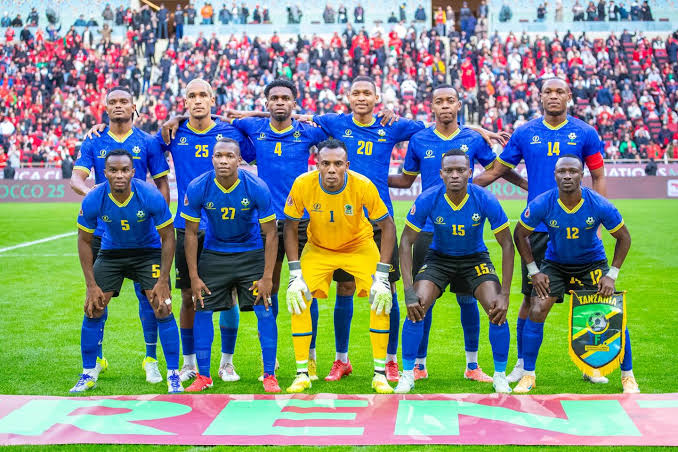
DAR ES SALAAM: IMAGINE two national football teams preparing for kick-off. Their flags are raised, their players stand in formation and their national anthems fill the stadium.
In Tanzania, voices rise together in song. In Spain, the music plays as the players stand silently.
One nation sings its anthem; the other listens to its melody. Yet both prepare to represent their countries with pride.
This striking contrast between Tanzania and Spain reveals how history and culture shape national identity and why patriotism cannot be measured by the volume of voices singing an anthem.
Tanzania’s Mungu Ibariki Afrika (God Bless Africa) gives citizens a shared set of words to sing at national ceremonies, public gatherings and sporting events.
In a country home to more than 120 ethnic communities, the anthem provides a common expression of belonging that transcends differences in cultural background.
When Tanzanian players sing together before a match, they do more than observe a national tradition. They affirm their shared responsibility to represent one country, regardless of their individual origins. The words become a collective expression of national pride.
Kiswahili, widely spoken across Tanzania, has also helped people communicate across ethnic boundaries and strengthen a shared national identity.
Distinctive customs, languages and traditions remain part of the country’s rich cultural heritage, but national symbols provide common ground. Spain offers a different experience. Its national anthem, Marcha Real (Royal March), has no officially adopted lyrics.
Consequently, when Spanish footballers stand silently as the melody plays, they are not necessarily withholding an expression of patriotism.
The official anthem simply has no words for them to sing. The distinction matters. Singing may be a visible expression of national pride, but silence during an instrumental anthem is not evidence of its absence.
The history of Marcha Real stretches back to the eighteenth century, when its predecessor, the Marcha Granadera, became associated with Spanish royal and military ceremonies. King Carlos III recognised the march in 1770, and it gradually became established as a national symbol.
An attempt to replace it through a competition in 1870 failed to dislodge the existing melody. Subsequent efforts to introduce lyrics have also failed to produce officially adopted words for the current anthem.
Spain’s national identity is also shaped by its diverse regional cultures and languages. Catalonia, the Basque Country and Galicia, among other regions, maintain distinctive traditions alongside their relationship with the Spanish state.
These identities have sometimes generated political tensions over autonomy and national belonging, demonstrating the complexity of defining what it means to belong to a nation.
However, it would be misleading to conclude that Spain’s anthem lacks words because its people are divided, or that Tanzania’s shared anthem has eliminated every challenge relating to national identity.
Both countries have complex histories and neither can be understood through its anthem alone.
ALSO READ: A Nation that forgot its own daughters: The Sunday read you didn’t know you needed
Their difference lies in how their official national symbols are expressed. Tanzania offers words that citizens can sing together; Spain offers a melody performed without officially adopted lyrics.
Neither tradition, in itself, makes one population more patriotic or united than the other. The contrast becomes particularly striking during international football tournaments, when millions of viewers watch players prepare for competition.
A Tanzanian fan may associate the anthem with the emotional power of hearing players sing in unison. Seeing Spain’s players remain silent may initially seem unusual, until the history of their anthem provides the explanation. Picture the moments before kick-off in Dar es Salaam and Madrid.
In one stadium, players raise their voices in a familiar declaration. In the other, the orchestra carries the national melody while players stand respectfully beneath their flag.
The performances differ, but both teams are preparing to carry the hopes of their country. Ultimately, national anthems are more than ceremonial music. They are symbols shaped by history, culture and collective experience. Their significance lies not simply in whether people sing, but in what the music represents to those who hear it.
For Tanzania, the anthem offers a powerful opportunity for people from diverse ethnic backgrounds to sing as one nation. For Spain, Marcha Real demonstrates that a national symbol can retain its significance without official lyrics.
The next time Tanzanian fans watch Spain’s footballers standing silently during their national anthem, perhaps the more revealing question is not, “Why are they not singing?” but rather, “How do different nations express the same sense of belonging?” Tanzania answers with words carried by many voices. Spain answers with a melody that requires no official lyrics. Two countries. Two anthems. Two distinct traditions.
And one enduring truth: Patriotism is not measured by whether a nation sings, but by the meaning its people attach to the country they represent.