Drogba’s message is spot on: Tanzania must turn football into a force for unity
DAR ES SALAAM: FOOTBALL is a powerful social force capable of bringing people together, inspiring patriotism, promoting peace and creating economic opportunities.
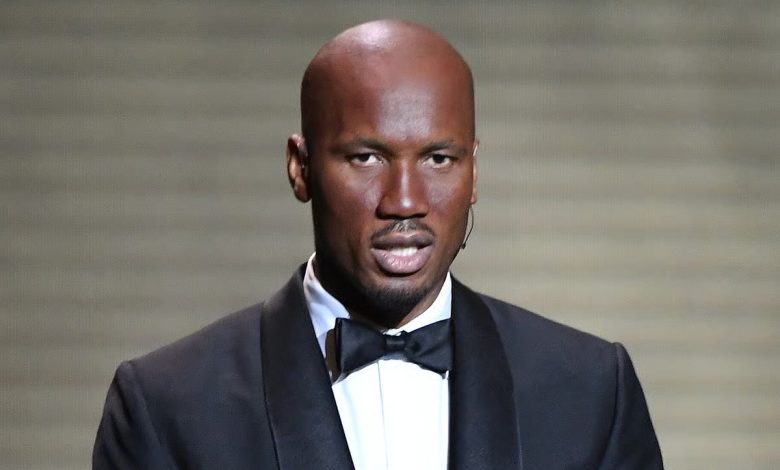
As Tanzania prepares to co-host the 2027 Africa Cup of Nations (AFCON) alongside Kenya and Uganda, former Ivory Coast captain Didier Drogba has delivered a timely message: Football’s true value lies not only in winning trophies but also in uniting people and improving lives.
Drogba’s message deserves serious consideration as Tanzania prepares to host one of Africa’s biggest sporting events.
AFCON 2027 should not be limited to building stadiums, preparing pitches and welcoming the continent’s finest footballers.
It should also provide an opportunity to strengthen national unity, create employment, attract investment and establish a legacy that benefits future generations.
Speaking to journalists upon his arrival at Julius Nyerere International Airport in Dar es Salaam, the former Chelsea striker cited Ivory Coast’s triumph at the 2023 AFCON as a powerful example of football’s ability to unite a nation. Ivory Coast defeated Nigeria 2-1 in the final on February 11, 2024, to win the continental title on home soil.
The victory sparked celebrations across the country, demonstrating how a shared sporting achievement can inspire collective pride and strengthen national identity.
For Drogba, the significance of such a triumph extends far beyond the final whistle. Football can give people a common purpose, bringing them together despite their political, social and economic differences.
This is the lesson Tanzania must embrace as preparations for AFCON 2027 gather momentum.
Football must bring Tanzanians together
In many countries, football commands a following that few other activities can match. It transcends geographical, cultural and economic boundaries, connecting people through their shared passion for the game.
Supporters may disagree passionately over club loyalties, players and coaching decisions, but international football often provides a different experience.
When the national team takes to the pitch, club rivalries and other differences can give way to a common desire to see the country succeed. Tanzania should use AFCON 2027 to strengthen this sense of belonging.
The tournament offers an opportunity to bring citizens together, encourage interaction among communities and reinforce the understanding that national progress depends on collective effort.
From Dar es Salaam to Mwanza, Arusha, Dodoma, Mbeya and beyond, the competition should inspire Tanzanians to rally behind a shared national ambition. However, unity cannot be achieved through football alone.
It requires deliberate efforts by the government, football authorities, players, supporters and other stakeholders to promote respect, inclusion and peaceful coexistence.
Football administrators should encourage responsible supporter behaviour, while clubs and fan organisations have to use the tournament to promote tolerance and discourage hostility. Community football programmes, school competitions and youth tournaments could also extend this message beyond the major stadiums.
AFCON 2027 should be an occasion when football brings people closer, strengthens mutual understanding and reinforces national solidarity.
Drogba’s appeal carries additional weight because of his own contribution to peace advocacy in Ivory Coast. During the political tensions that followed the country’s qualification for the 2006 FIFA World Cup in 2005, he used his influence as one of Africa’s most celebrated footballers to appeal for peace and reconciliation.
His intervention demonstrated how sports personalities can use their public platforms to encourage dialogue and promote unity during difficult times. His example highlights an important responsibility for athletes.
Their influence should not end with goals scored, trophies won or individual awards received. They can also become ambassadors for peace, national solidarity and social responsibility.
Tanzania has an opportunity to draw on its own footballing heroes to advance a similar agenda. Current and former national team players, coaches and other respected sports personalities can help promote unity, particularly among young people who look up to them.
The Taifa Stars, the national women’s team and other Tanzanian sporting representatives must serve as symbols of national pride, supported by structures that encourage excellence, discipline and inclusiveness.
Such efforts must continue long after AFCON 2027. National unity cannot be a campaign activated only when a major tournament approaches; it must be nurtured through everyday actions and sustained investment in communities.
AFCON must create jobs for young people
Beyond its social benefits, Drogba has highlighted football’s potential to create employment and stimulate economic activity. His message is particularly relevant to Tanzania, where preparations for AFCON 2027 could open opportunities across the wider sports industry.
Football is not limited to players, coaches and referees. It relies on a broad network of professionals whose skills are essential to organising successful competitions.
Drawing on his experience at Chelsea, Drogba highlighted the importance of groundskeepers and pitch-maintenance teams, noting that maintaining a playing surface requires specialised skills and a dedicated workforce.
“Football has many employment opportunities. For example, pitch maintenance and equipment preparation are areas that can employ many young people,” he said.
ALSO READ: Drogba advises Tanzania to use AFCON co-hosting in promoting tourism, creating jobs
His observation is an important reminder that a successful tournament requires much more than talented footballers.
Groundskeepers, agronomists, equipment technicians, stadium maintenance workers, security personnel, medical teams, event managers, broadcasters and hospitality professionals all contribute to the football industry.
Tanzania should use the preparations for AFCON 2027 to develop practical training programmes that equip young people with the skills required in these fields.
Technical colleges, universities, football academies and private companies could collaborate to provide courses, internships and apprenticeships in sports management, pitch maintenance, sports medicine, event organisation, broadcasting and facility management.
Such initiatives would help young people access employment while building local expertise that remains valuable after the tournament.
The objective should be to ensure that investment in AFCON translates into lasting skills, stronger professional capacity and sustainable employment rather than temporary jobs that disappear when the competition ends.
Investment must deliver a lasting legacy
Drogba has also called for cooperation between the government and the private sector in developing sports infrastructure and services.
Organising a tournament of AFCON’s scale requires substantial investment, careful planning and effective coordination. Public resources must therefore be complemented by responsible private-sector participation wherever appropriate.
Private investors can contribute to sports facilities, academies, hospitality, transport, digital technology and other supporting industries. Local businesses should also be encouraged to supply goods and services throughout the tournament.
Small and medium-sized enterprises could benefit from opportunities in catering, accommodation, transport, merchandise, event management and tourism.
With proper planning, AFCON 2027 could also give Tanzanian entrepreneurs greater exposure to regional and international markets. However, these benefits will not materialise automatically.
Authorities must create a transparent and supportive business environment, ensure that qualified local firms can access procurement opportunities and maintain clear standards of quality and accountability. Infrastructure development must also be guided by long-term needs.
Stadiums, training grounds and related facilities should have realistic plans for maintenance and continued use after AFCON 2027. Without effective management, expensive facilities could become a financial burden instead of productive national assets.
Tourism presents another important opportunity. Visitors arriving for football should be encouraged to explore Tanzania’s attractions, experience its culture and support local businesses.
Well coordinated tourism packages, reliable transport and quality hospitality services could extend the economic benefits beyond match venues.
The tournament’s success should therefore be measured not only by the quality of the football or the number of visitors it attracts, but also by the economic opportunities and infrastructure that remain useful long after the final whistle.