BRICS Nuclear Platform advises Africa to expand women’s participation in advancing nuclear energy

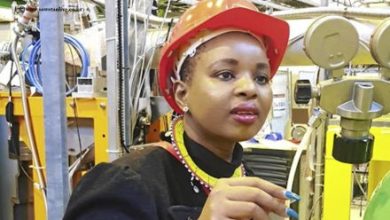
DAR ES SALAAM: BRICS Nuclear Platform Head Coordinator Elsie Pule has said African countries must expand women’s participation in nuclear energy development to address skills shortages, create jobs and ensure the benefits of emerging technologies reach more people.
She said women should take active roles in policymaking, engineering, scientific research and leadership as African countries explore nuclear energy to strengthen electricity supply and support economic development.
Speaking at the Russia-Africa Women’s Forum in Dar es Salaam on Thursday, Ms Pule, who is also Director of Special Projects for Rosatom’s Central and Southern Africa region, said the continent’s nuclear ambitions require a skilled and diverse workforce.
“Africa’s energy future will be stronger, more inclusive and more sustainable when women help shape it as policymakers, scientists, engineers, leaders and entrepreneurs,” she said.
Elaborating, she said that energy poverty continues to affect women disproportionately, particularly in communities with limited access to electricity and clean cooking solutions, where women often bear the burden of collecting firewood and face associated health and safety risks.
She argued that nuclear energy can contribute to long-term energy security while creating opportunities for industrial development, skilled employment and wider access to reliable electricity.
She cited ongoing nuclear energy initiatives across Africa, including Egypt’s construction of its first nuclear power plant, efforts by Ghana and Kenya to develop nuclear programmes, and plans in other countries to explore nuclear technology.
Ms Pule said Tanzania’s developing nuclear sector, including uranium mining, also presents opportunities to build local expertise and increase women’s participation in engineering, mining and energy-related careers.
She pointed to cooperation involving Rosatom and Mantra Tanzania Limited in the Mkuju River uranium project, saying such initiatives can go hand in hand with training local specialists and expanding employment opportunities for women.
According to Ms Pule, Rosatom’s experience and programmes supporting women’s professional development can provide opportunities for collaboration with African institutions and professionals.
“Women accounted for 33 per cent of Rosatom’s workforce, while they represented about 49 per cent of employees in its engineering division, contributing to the design and construction of nuclear facilities, research and technological project management,” she said.