Marafiki Festival to expand opportunities for TZ artists
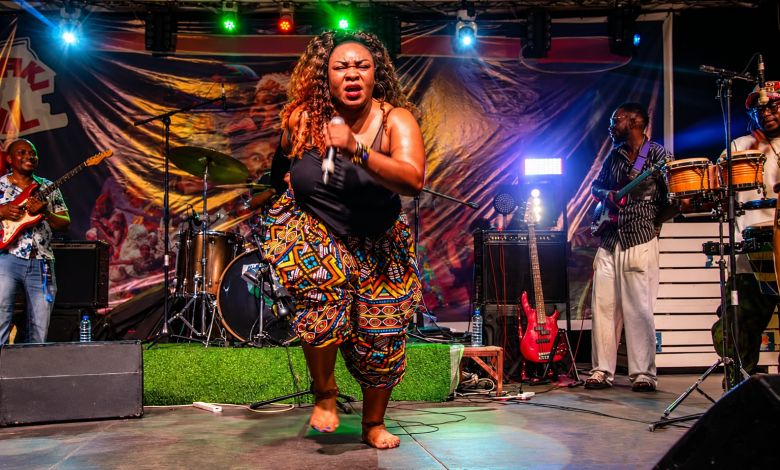
DAR ES SALAAM: MARAFIKI Arts Festival is targeting a bigger and more vibrant 2027 edition, with organisers promising improved technical production, stronger programming and expanded opportunities for Tanzanian artists to develop careers.
Festival Director, Isack Abeneko, said the organisers were committed to raising the standard of the annual event by investing in sound systems, lighting and stage presentation to deliver a more engaging cultural and performing arts experience.
He made the remarks in Dar es Salaam while reflecting on success of the festival’s seventh edition, held from October 8 to 11 that brought together 135 artists, 23 bands and cultural groups, six capacity-building workshops and 23 live music, dance and theatre performances.
Hosted across Dar es Salaam and Bagamoyo, the four-day festival combined entertainment, cultural exchange, professional training and economic empowerment, reinforcing its role in promoting Tanzania’s creative industries.
“Our vision for 2027 is to create an even better festival experience, strengthen human connections through arts and culture and provide more opportunities for Tanzanian artists.
“We want to build bridges, develop meaningful partnerships and find more ways to support our artists in their professional journeys. We are determined to make next year’s edition, scheduled for October 7 to 10, even richer in cultural and creative experiences,” Abeneko said.
Organised by Art for Social and Economic Development in Africa (ASEDEVA), the festival received support from the Embassy of Denmark in Tanzania, highlighting the role of international partnerships in strengthening the creative sector and expanding opportunities for young people.
The festival opened at The Slow Leopard in Masaki on October 8 before continuing at Nafasi Art Space in Dar es Salaam and Firefly in Bagamoyo on October 9, 10 and 11.
Beyond the performances, the event highlighted the longstanding relationship between Tanzania and Denmark, demonstrating how cultural exchange could strengthen ties between people, communities and institutions.
Danish Ambassador to Tanzania, Jesper Kammersgaard, said cultural cooperation remained an important part of the relationship between the two countries that have maintained close ties for more than six decades.
“Culture is an important part of that relationship. It gives us an opportunity to meet at eye level, learn from one another and discover what we share, while also appreciating what makes our cultures unique,” he said.
Kammersgaard described Marafiki Arts Festival as a strong example of people-to people cooperation, noting that the creative industries also offer economic opportunities for artists, entrepreneurs and young people.
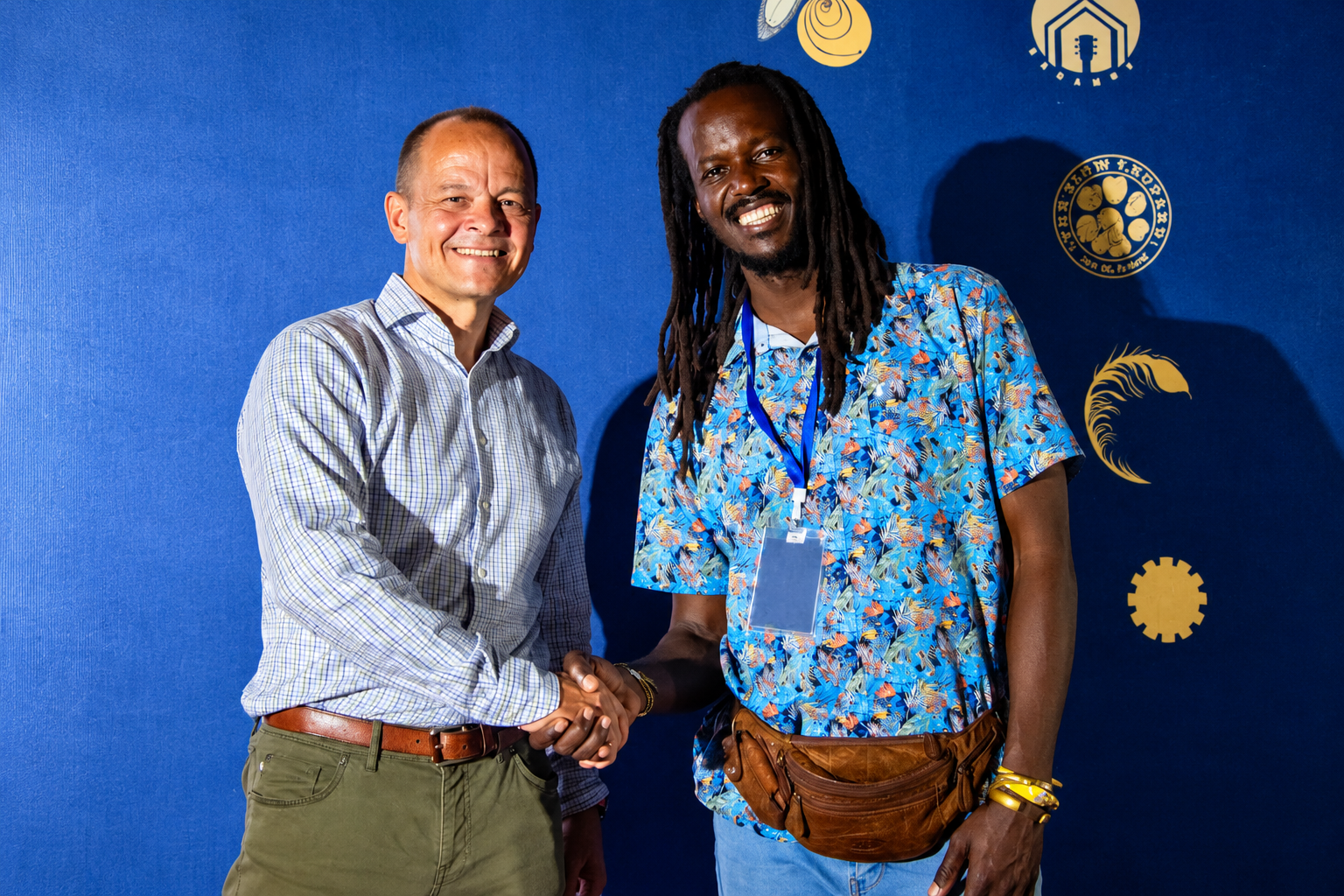
“Tanzania’s creative industries are creating opportunities for artists, entrepreneurs and young people to turn talent and creativity into livelihoods and businesses,” he said.
“Supporting a vibrant creative sector therefore means supporting both cultural exchange and economic opportunity. Denmark is proud to be part of that connection through our support for Marafiki.”
The festival featured established and emerging performers, including Mzungu Kichaa, Mabantu, Mex Corte, Tofa Jaxx, Gynah, Lumumba Theatre, Mopao Swahili Jazz, Welle and the Band, Annette Africette, Hammer Q, Busanga Musiq, Dismas Alsina, Mbega and Jaqxon, among others.
Their performances showcased a wide range of musical styles, dance traditions and theatrical expressions, reflecting the diversity and growing potential of Tanzania’s creative sector.
One of the standout attractions was Tabasamu Exclusive, an all-female artistic group from Bagamoyo, whose performance celebrated women’s talent and contribution to the performing arts.
Featuring women playing live musical instruments alongside female dancers, the group challenged conventional gender expectations while highlighting the need for greater representation and opportunities for women in the creative industry.
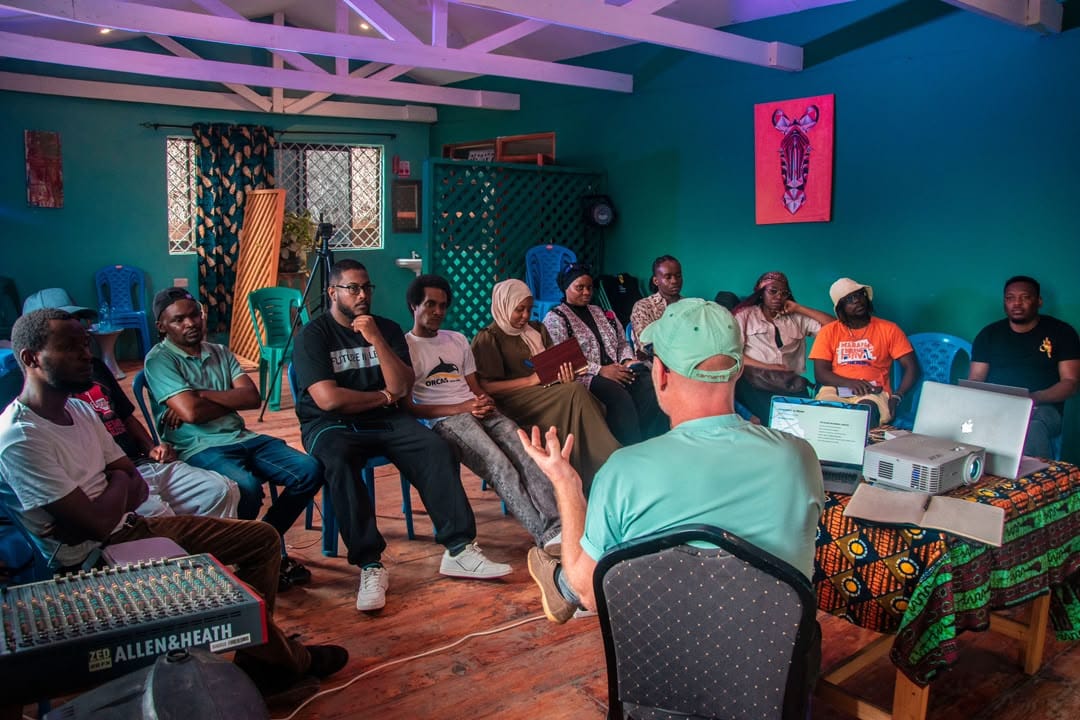
The festival also placed strong emphasis on professional development, with six capacity-building workshops, covering Collective Management Organisations (CMOs), artist management, songwriting, music recording, contemporary dance and traditional dance.
The sessions equipped artists and creative professionals with practical knowledge on music rights, professional representation, creative production and artistic development, while promoting preservation and evolution of dance traditions.
Tanzanian artist, Tofa Jaxx, said the workshop on CMOs had broadened his understanding of an important aspect of the music industry.
“I have learnt a lot about CMOs, which I did not know much about before. I am very grateful for this opportunity and happy that Marafiki Arts Festival is prioritising training for artists and helping us become more professional,” he said, urging organisers to continue investing in artists development.
Other collaborators and supporting organisations included Firefly Bagamoyo, Kwetu Bagamoyo, Nafasi Art Space, ACTO Light Tanzania, Gigtek, Emerson Zanzibar Foundation, BASATA, The Slow Leopard, Black Circle, Eluda Dance Co and Alliance Française Dar es Salaam.
With its blend of performances, training and cultural partnerships, the 2026 edition laid groundwork for the next festival, as organisers seek to expand opportunities for artists and strengthen the contribution of arts and culture to Tanzania’s social and economic development.