New technology could transform Tanzania’s disaster preparedness

TANZANIA’S growing interest in satellite technology and artificial intelligence (AI) marks an important shift in disaster management from responding after disasters occur to anticipating risks and preparing in advance.
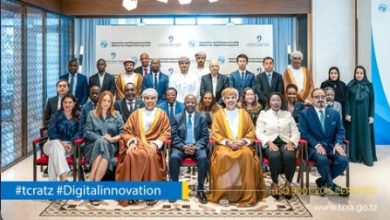
A recent working visit to Türkiye by Permanent Secretary in the Prime Minister’s Office (Policy, Parliament, Coordination and Persons with Disabilities), Dr Jim Yonazi, highlights this direction.
His visit to Turksat, Türkiye’s satellite operator, raised an important question: how can modern technology help Tanzania obtain accurate information early enough to protect people, property and critical infrastructure?
The question is increasingly relevant as floods and other disasters threaten communities, infrastructure and economic activity.
Traditionally, disaster management has focused on rescuing affected people, distributing relief supplies and restoring essential services after an event.
Satellite technology and AI offer opportunities to strengthen prevention and preparedness. Satellite data can help authorities monitor environmental conditions across large areas, including locations that are difficult to reach from the ground.
During floods, such information can help identify vulnerable areas, monitor changing conditions and assess potential damage.
Combined with weather observations, river data, historical disaster records and geographic information systems, satellite information can provide a clearer picture of emerging risks.
AI can strengthen this process by analysing large volumes of data and identifying patterns that may help authorities anticipate potential disasters.
The objective is not to replace experts but to provide decision-makers with better information. However, an early warning is valuable only when it reaches the right people in time and triggers an effective response.
The economic value of disaster technology lies largely in the losses it can help prevent. When authorities identify areas likely to be affected, they can prepare emergency supplies, position rescue teams, organise evacuations and establish temporary shelters before a disaster escalates.
Hospitals can prepare for casualties, while communities can receive warnings early enough to protect lives and property.
Businesses and infrastructure operators can also use better information to assess risks to roads, bridges, electricity networks, water systems and telecommunications infrastructure.
Major disasters can reverse years of development by destroying homes and crops, damaging infrastructure, disrupting businesses and placing additional pressure on public finances.
For a country pursuing sustained economic growth, preventing such losses is essential. Investment in disaster preparedness should therefore be regarded as an investment in economic resilience, not merely an emergencymanagement expense.
One important lesson from the Turksat experience is that effective disaster management requires reliable communication, particularly when conventional networks fail. Mobile phone towers, fibre-optic networks and electricity systems can be damaged by floods, storms and other emergencies.
Their failure can disrupt coordination among government agencies, security services, rescue teams and health facilities.
According to Turksat Director of Satellite Services and Sales Fuat Eroglu, the organisation provides satellitebased equipment and secure communication infrastructure for strategic sectors and emergency operations.
ALSO READ: Mloganzila urologists use new technology to remove kidney stones from 18 patients
For Tanzania, similar capabilities could improve communication between national authorities and local response teams, particularly in remote areas with limited telecommunications infrastructure.
Reliable emergency communications could also support public security, maritime operations, aviation and health services.
Technology alone, however, cannot solve Tanzania’s disaster-management challenges. The country must develop the skills, institutions and procedures needed to turn information into timely action.
This requires trained specialists capable of interpreting satellite imagery and other data, stronger coordination among government agencies and efficient informationsharing between national institutions and regional and local authorities.
Clear procedures must establish who receives warnings, who makes decisions and who mobilises resources. Regular simulation exercises, public awareness campaigns and community-level preparedness are equally important.
Even the most advanced warning system has limited value if information arrives too late or communities do not understand what action to take.
AI also brings responsibilities. Inaccurate data or poorly interpreted predictions could lead to resources being deployed to the wrong locations or communities receiving misleading warnings. Human expertise, verification and accountability must therefore remain central.
Tanzania must also address data security, privacy, system reliability and dependence on external technology providers.
The objective should be to develop national expertise and sustainable capacity rather than simply acquire imported systems.
Tanzania’s geographical diversity requires a disastermanagement system capable of addressing different hazards and local conditions.
The risks facing Dar es Salaam differ from those affecting communities along major rivers, coastal areas, Lake Victoria and droughtprone regions.
Satellite technology can provide broad geographical coverage, but its effectiveness increases when combined with local knowledge.
Residents and local authorities are often the first to notice changes in river levels, rainfall patterns and environmental conditions. Technology should strengthen these observations rather than replace them.
Dr Yonazi’s view that disaster management should form part of the broader national security framework is particularly significant.
Major disasters can disrupt food supplies, transport, energy, communications and economic activity, threaten social stability and place pressure on public finances.
Preparedness is both a humanitarian responsibility and a national development priority.
It requires cooperation among government institutions, local authorities, security and rescue services, health facilities, infrastructure agencies, telecommunications providers, researchers, businesses and communities.
Tanzania’s engagement with Türkiye demonstrates the potential value of international cooperation in strengthening disaster-management capabilities.
The ultimate test, however, will be how effectively the knowledge and technology gained through such cooperation are translated into national systems.
Satellite technology can improve the monitoring of emerging risks, AI can accelerate data analysis and reliable communications can keep response teams connected when conventional networks fail.
Together, these capabilities could help Tanzania move from a predominantly reactive approach towards one focused increasingly on anticipation, prevention and resilience.
As the country invests in infrastructure, cities, agriculture, energy and other productive sectors, protecting those investments from disasters must become an integral part of its development strategy.
The real measure of progress will not be the number of satellites, algorithms or communication systems acquired. It will be whether warnings reach vulnerable communities before floods arrive, rescue teams deploy before roads become impassable, and critical infrastructure continues operating during emergencies.
Ultimately, technology’s greatest contribution will be to give Tanzania more time, better information and stronger capacity to protect its people and development gains.