What new inclusive education strategy promises
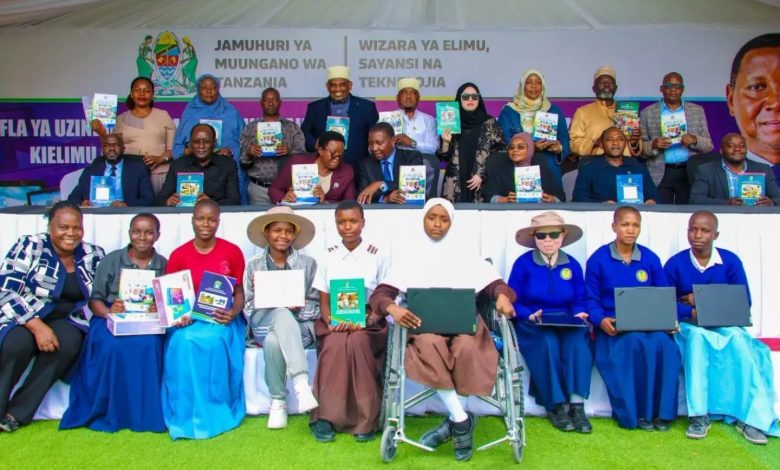
DODOMA: THE government has launched its Fourth National Inclusive Education Strategy for 2026/27– 2030/31, alongside nine implementation guidelines and the distribution of assistive devices worth 730m/- to students with disabilities in secondary schools and universities nationwide.
The initiative seeks to remove barriers to education, improve learning environments and ensure students with special educational needs have equal opportunities to access quality education.
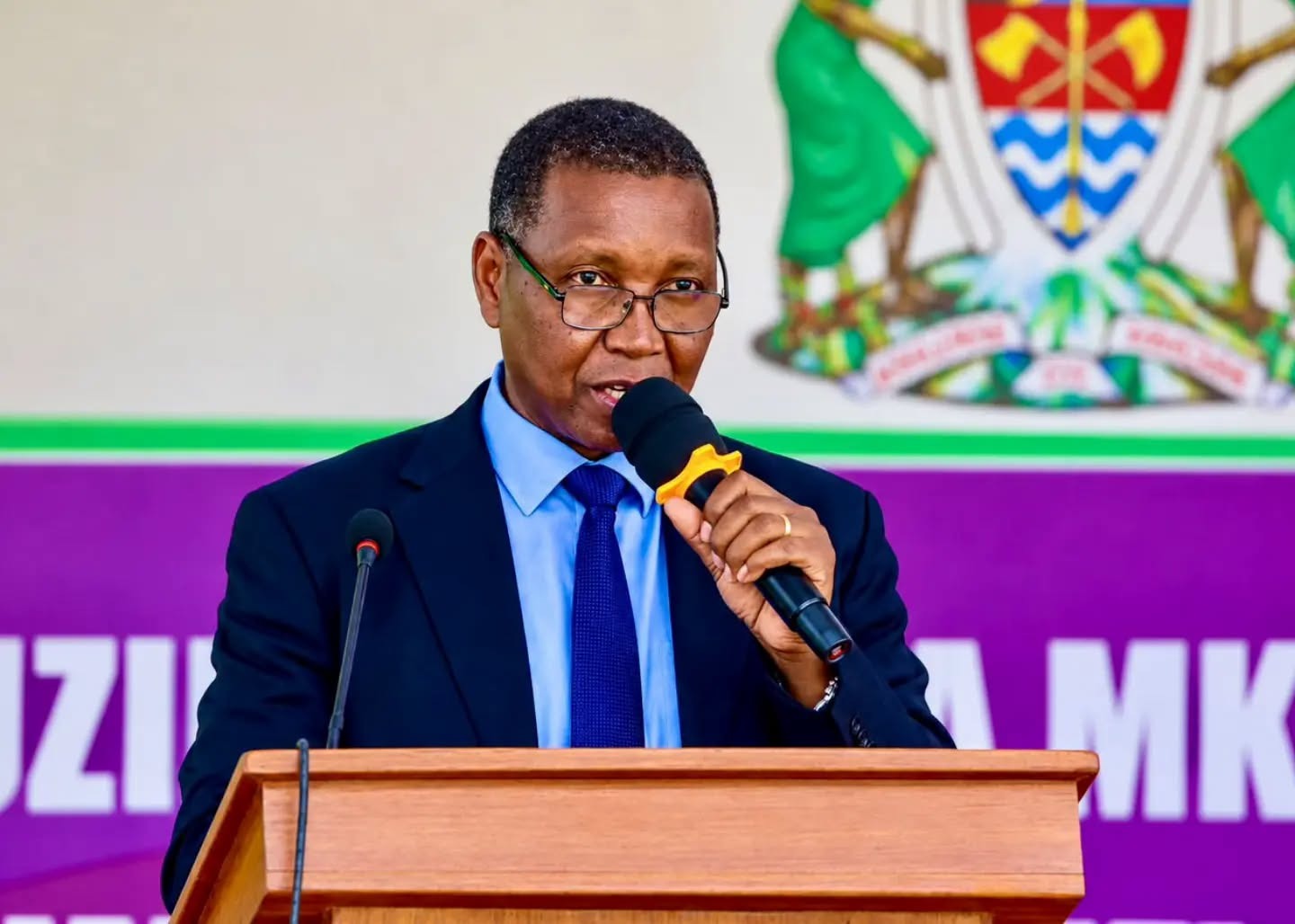
Speaking during the launch in Dodoma on Friday, Minister for Education, Science and Technology Professor Adolf Mkenda said the government was committed to ensuring every child had opportunities to learn, develop their abilities and realise their potential, regardless of disability.
The strategy and its accompanying guidelines address teacher training, information and communication technology, assistive technologies, Tanzanian Sign Language, vocational education, specialised support services and Kiswahili Braille.
Prof Mkenda said successful implementation would require collective efforts from the government, Parliament, development partners, teachers and parents to translate the right to education into meaningful outcomes.
He revealed that the government had invested more than 12bn/- in improving infrastructure for special and inclusive education, including model inclusive schools and specialised educational institutions.
“The government has also intensified efforts to improve the capacity of education personnel, training 2,058 people, including 1,276 special education teachers, 242 teachers with disabilities and 346 caregivers,” he said.
To improve access to learning materials, the government has printed and distributed 22,600 Braille books and 850,000 large-print books for blind and partially sighted students.
The minister urged parents and guardians to stop concealing children with disabilities and instead enrol them in institutions equipped to meet their educational needs.
He said stigma, discrimination and negative attitudes should not deprive children of their fundamental right to education, calling on communities, faith-based organisations, development partners and the private sector to support inclusive learning.
Chairperson of the Parliamentary Standing Committee on Education, Culture and Sports, Husna Sekiboko, encouraged students with disabilities to pursue their ambitions, stressing that disability should not prevent them from achieving success.
She cited Members of Parliament with disabilities as examples of people who had overcome barriers to participate in leadership and contribute to national development.
Ms Sekiboko urged students to use the assistive devices effectively, work hard and remain focused on their studies.
“I believe that if you work together, use these devices correctly, work hard and remain focused on your studies, Tanzania will have many more people like Yumna who can make a significant contribution to the nation,” she said.
Permanent Secretary in the ministry, Prof Carolyne Nombo, reaffirmed the government’s commitment to ensuring that no child was left behind, noting that the latest distribution was the third exercise conducted in 2026.
Meanwhile, UNICEF representative Ayubu Kafikilo said the organisation, with funding from the Canadian government, had provided 200 laptops and 240 tablets to help students with disabilities benefit from digital learning.
ALSO READ: Rethinking education for AI-driven jobs by 2050
UNICEF was also preparing to facilitate the provision of additional assistive equipment, including Braille devices, hearing aids, crutches and wheelchairs, to improve the participation of learners with special educational needs.
The strategy is expected to strengthen support for learners with diverse needs and advance efforts to build an education system in which every child can participate and contribute to national development.