African women demand land ownership data
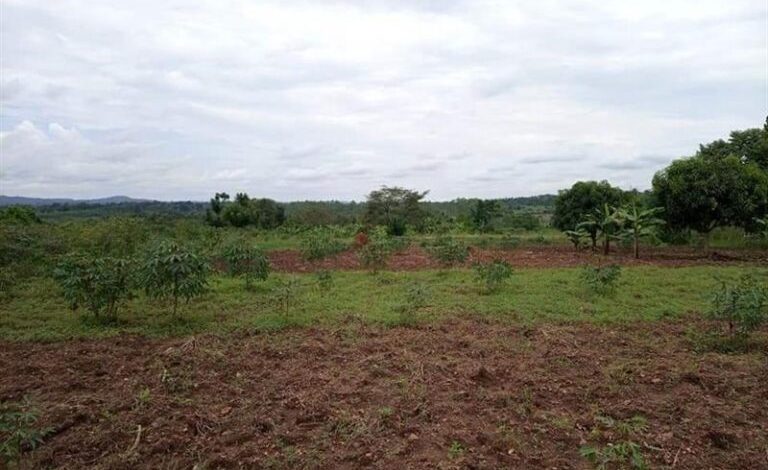
ARUSHA: RURAL women from 22 African countries have called on governments to collect and publish data on women’s land ownership, saying reliable statistics are essential for measuring progress in protecting their rights and strengthening food security.
Chairperson of the African Kilimanjaro Rural Women Farmers Forum, Ms Eva Daudi, said the absence of comprehensive data made it difficult to establish how many rural women across the continent owned land.
“It is high time that official data indicating how many rural women in Africa have managed to own land is made available,” she said.
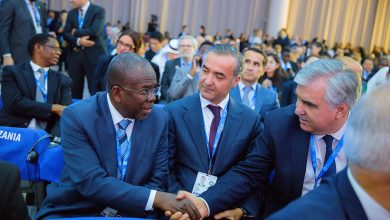
Ms Anna Sangai of the Tanzania Gender Networking Programme (TGNP) said information on women’s land ownership remained inadequate across Africa despite efforts to promote their rights through a continental campaign launched in 2016. Women representatives from the 22 countries are meeting in Arusha to mark the 10th anniversary of the Mount Kilimanjaro campaign advocating women’s land and resource rights.
The initiative was launched at the foot of Mount Kilimanjaro in October 2016, when 30 rural women climbed the mountain while more than 250 others gathered at its base. The campaign sought to present the Charter of Demands and Aspirations of African Women on Land Rights to national governments and the African Union (AU), calling for stronger protection of women’s access to land.
Speaking during the anniversary gathering, Director of the African Union Commission’s Department of Rural Economy and Agriculture, Dr Janet Edeme, said women’s access to and control over land were crucial to improving food security.
ALSO READ: Special groups win 74.32bn/- in govt tenders
Dr Edeme, an agricultural scientist and plant biologist based in Addis Ababa, Ethiopia, said rural farmers played a central role in food production, making it important to ensure women could own and control the land they cultivated.
The delegates also raised concerns about women’s vulnerability during natural disasters, noting that those without formal land ownership documents could struggle to obtain compensation for losses. Ms Naomi Mwaiponya of Oxfam International in Nairobi said women were often disproportionately affected by climate-related disasters.
She cited the possibility of El Niño-related flooding in East Africa and called on governments to strengthen protection for vulnerable communities.
The guest of honour, Advocate Nkasori Sarakikya, Director of Legal Services and Human Rights in the Ministry of Constitution and Legal Affairs, said several countries had begun simplifying land laws. She cited Tanzania’s initiative to translate more than 435 laws into Kiswahili to make them easier for citizens to understand. The delegates called for stronger implementation of commitments to ensure rural women could acquire, own and control land.