Fisheries sector targets commercial growth
RUKWA: TANZANIA’S fisheries sector is targeting greater commercial investment through value addition, expanded market access and increased private sector participation under the Fish4ACP initiative, in a drive to boost incomes, strengthen fisheries businesses and ensure the sustainable use of aquatic resources.
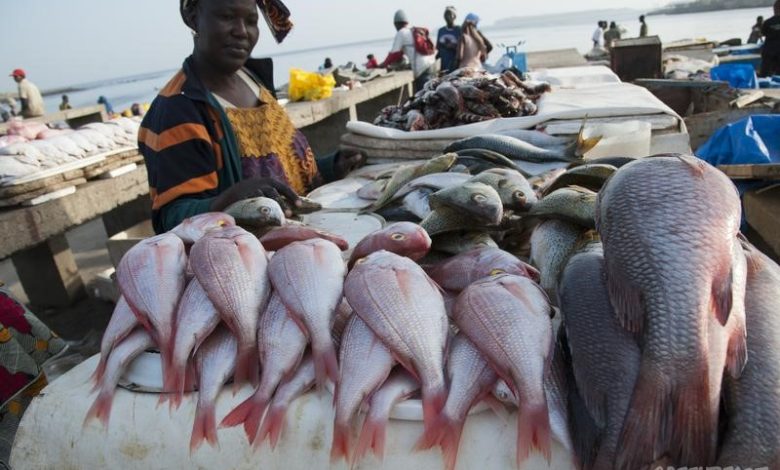
FISH4ACP initiative in Tanzania focuses on strengthening and making sustainable the sardine, sprat and perch value chains in Lake Tanganyika.
The initiative’s latest phase has supported more than 10,000 fisheries actors through training and improved technologies aimed at reducing post-harvest losses, improving product quality and creating opportunities for businesses across the fisheries value chain.
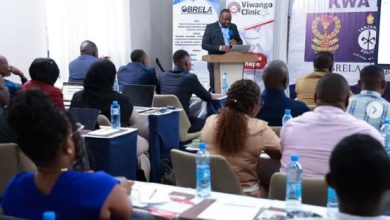
Speaking at a meeting titled “From Project to Partnership: Sustaining the Legacy of Fish4ACP in Lake Tanganyika,” held to review the initiative’s achievements and future prospects, Deputy Permanent Secretary in the Ministry of Livestock and Fisheries, Prof Mohammed Sheikh, said Tanzania needed to shift from subsistence fishing to commercially oriented operations that generate greater economic value while ensuring the sustainable use of aquatic resources.
“The government was investing in aquaculture, strengthening measures against illegal and unreported fishing, and improving fishing infrastructure to increase the sector’s contribution to the national economy,” he said.
However, he said declining fish stocks pose a growing risk to the industry’s long-term commercial viability, particularly in Lake Tanganyika. Prof Sheikh cited surveys showing that fish stocks on the Tanzanian side of the Lake fell from 157,000 metric tonnes in 1998 to 144,000 tonnes in 2022, before dropping to 84,000 tonnes in 2024 and 61,000 tonnes in 2025.
The decline highlights the need for responsible resource management to safeguard fish supplies, protect fishing-related businesses and sustain livelihoods.
Food and Agriculture Organisation of the United Nations (FAO) Country Representative Nyabenyi Tipo said Fish4ACP has supported fisheries actors with training in fish handling, processing and quality management.
ALSO READ: Technology, good governance key to stronger SACCOS in Africa
“The initiative introduced solar tent dryers, ovens, freezers and ice-making plants to improve product quality, extend storage capacity and reduce losses that erode business earnings. Support for market access, business development and women’s participation has further helped strengthen the value chain,” Ms Tipo said.
Implemented by FAO, with support from the European Union and the German Federal Ministry for Economic Cooperation and Development, Fish4ACP promotes sustainable fisheries and aquaculture value chains across African, Caribbean and Pacific countries.
EU Head of Cooperation Mark Stalmann said future interventions should build on the initiative’s lessons by shifting from short-term project assistance towards long-term partnerships and investment capable of generating tangible economic opportunities. Stakeholders also highlighted research, financial literacy, business skills and reliable market information as essential for helping fisheries enterprises become more competitive.
Fish4ACP Coordinator Mr Hashim Muumin cautioned that sustaining these gains would require continued investment, stronger institutions, functional digital market platforms and effective fisheries management. The next challenge is to convert project-supported improvements into viable businesses, stronger market links and sustainable investment that delivers lasting economic benefits for fishing communities.