Ruvuma’s coffee industry gains recognition
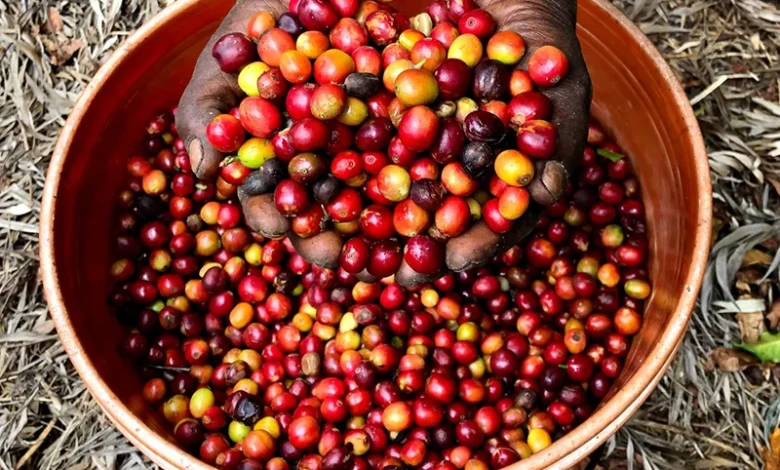
KAGERA: COFFEE remains one of Tanzania’s important cash crops, supporting thousands of farming households while contributing to employment, household incomes and foreign exchange earnings. In regions such as Ruvuma, Kagera and Kilimanjaro, the crop plays a significant role in the agricultural economy. Its contribution depends not only on production, but also on quality, processing, investment and access to competitive markets.
The importance of coffee extends beyond the farms where it is grown. Processing, transportation, packaging, marketing and export generate economic activity and create opportunities for businesses and workers. Investment can also help farmers access improved seedlings, modern farming technologies, extension services and reliable markets. With these resources, producers have greater opportunities to increase productivity, improve quality and strengthen their livelihoods.
Investment in the coffee sector is therefore important to Tanzania’s economic development. It can attract capital into rural areas, create employment, expand markets for local farmers and support value addition. Modern processing and marketing systems can help Tanzanian coffee compete more effectively in regional and international markets.
Strong cooperation among farmers, investors and public institutions can further support growth across the value chain. These connections between investment and public service were highlighted in Songea Municipality in October 2026, when AVIV Tanzania presented a certificate of appreciation to the Ruvuma Regional Immigration Office. The company recognised the office’s contribution to its investment activities in the region.
The award was presented at Nkosi Zwangendaba Hotel in Songea during activities marking the 2026 International Coffee Day celebrations. AVIV Tanzania General Manager, Mr Muthanna M.B, handed the certificate to Ruvuma Deputy Regional Immigration Officer, Senior Superintendent of Immigration (SSI) Issa Mlweta, who received it on behalf of the regional office.
After receiving the award, SSI Mlweta thanked AVIV Tanzania for acknowledging the Immigration Department’s contribution to the company’s achievements and investment activities. The recognition highlighted the role government institutions can play in supporting businesses and helping create conditions conducive to investment.
AVIV Tanzania organised the ceremony to appreciate the contribution of the Government of Tanzania and its institutions to an environment that supports investment and business operations. The initiative recognised that private-sector activities often depend on cooperation with public institutions as companies establish and conduct their operations.
The recognition of the Ruvuma Regional Immigration Office formed part of a broader appreciation of government support, particularly for investment in coffee. The crop remains an important part of Tanzania’s agricultural and export economy, and investment can help strengthen production, improve quality and connect farmers with markets.
The Ruvuma Regional Police Force and the Office of the Ruvuma Regional Commissioner also received appreciation awards from AVIV Tanzania. The company recognised their contributions to creating a supportive environment for investment and economic activity in the region. The awards highlight the importance of coordination among government institutions, investors and communities.
ALSO READ: Nairobi Convention sets strategic priorities for next decade
A stable business environment can help companies carry out their plans, while investment can generate employment, stimulate production and create opportunities for local economic participation. Cooperation among these groups can support development beyond individual businesses. The recognition came as Tanzanian coffee continued to attract attention internationally.
In February 2026, Tanzania emerged as Africa’s leading country for coffee quality and ranked fourth globally at the African Fine Coffees Association (AFCA) conference in Addis Ababa, Ethiopia. The result strengthened the country’s profile in a competitive international market. This achievement underlines the importance of maintaining and improving the quality of Tanzanian coffee.
Continued progress depends on collaboration among the Government, farmers, investors and other stakeholders, as well as sustained attention to farming practices, quality standards, processing and market access. International recognition offers an opportunity to build on the country’s standing and strengthen competitiveness. International Coffee Day was observed on October 1, 2026, under the theme, “Celebrating Coffee, Honouring the People Behind Every Cup.”
The 2026 observance was the first since the day was adopted by the United Nations General Assembly. The theme drew attention to the people whose work sustains the coffee industry, from farmers and workers to processors, traders and others involved in bringing coffee to consumers. That focus is especially relevant in Tanzania, where coffee supports livelihoods in several producing regions. Kagera, Kilimanjaro and Ruvuma are among the areas where the crop contributes to local economic activity.
In Ruvuma, Mbinga District is one of the country’s prominent coffee-producing areas, making the sector important to farmers and the regional economy. For farming households, coffee can provide income and opportunities to invest in families and farms. Its economic effects include demand for transport, processing, packaging and marketing services.
When more value is added locally, benefits can extend beyond selling raw produce, creating further opportunities for businesses and workers. However, the sector’s long-term contribution depends on maintaining quality and improving productivity. Farmers need suitable seedlings, extension advice and modern farming methods.
Reliable markets are also essential so producers can sell their harvests and respond to quality requirements. Investment can support these needs, while public institutions can help create an orderly and supportive environment for business operations. The Government continues to encourage farmers to increase production, improve coffee quality and adopt modern agricultural practices. It also promotes investment and access to competitive domestic and international markets.
ALSO READ: El Niño: heavy rains, flooding, here; dry spells, severe droughts, there
These priorities reflect the importance of strengthening the entire value chain, from cultivation to processing and sale, rather than focusing on production alone. Such efforts matter as Tanzania seeks to build on its international recognition for coffee quality. Consistent production standards, improved processing and stronger market connections can help sustain competitiveness while creating opportunities for farmers to benefit from demand. Investment can contribute to these improvements, provided that producers have the knowledge and resources needed to meet market expectations.
The recognition of government institutions by AVIV Tanzania also illustrates how agricultural investment connects with regional development. Companies operate within an environment shaped by public institutions, infrastructure, communities and market conditions. Effective cooperation can help investments progress and contribute to employment and economic activity.
At the same time, investment must remain connected to the people who grow the crop. Farmers are central to coffee quality and supply, and their access to information, inputs and markets influences the strength of the entire value chain. Improvements in processing, transportation and marketing have greater significance when they help producers participate more effectively and improve their livelihoods.
The ceremony in Songea therefore served both as an appreciation of institutional support and as a reminder of the relationships underpinning Tanzania’s coffee industry. By recognising the Ruvuma Regional Immigration Office, the regional police and the Regional Commissioner’s Office, AVIV Tanzania acknowledged their contributions to an environment supportive of investment.
As Tanzania develops its coffee sector, collaboration among farmers, investors, government institutions and other stakeholders will remain important. Improving quality, expanding market access and supporting modern agricultural practices can strengthen the industry’s competitiveness and economic contribution across many rural communities nationwide.
Each participant has a role in sustaining progress and ensuring that opportunities reach producing communities. Here, coffee’s value extends beyond the beverage served in homes and markets. It lies in the livelihoods it supports, the employment it creates and the opportunities it offers communities across Tanzania.
The recognition in Ruvuma highlights the contribution of institutional cooperation to this potential, while reinforcing the importance of keeping farmers and their economic wellbeing at the heart of agricultural development.