Samia hailed for nutrition gains

ARUSHA: PRESIDENT Dr Samia Suluhu Hassan has been hailed for championing Tanzania’s nutrition agenda, with development partners saying her leadership has provided strong momentum in efforts to combat malnutrition and improve children’s growth and development.
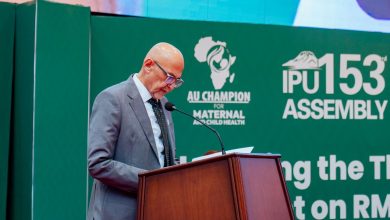
The commendation was made during the ongoing 153rd Inter Parliamentary Union (IPU) 153rd Assembly in Arusha at a panel discussion on the UN Country Team in Tanzania as a reflection of a reformed UN system.
UNICEF Representative in Tanzania Elke Wisch said the country had made significant efforts to address nutrition challenges, including providing strategic leadership at the highest level of government.
However, she said nearly onethird of children in Tanzania still suffer from chronic malnutrition, a condition that may not immediately result in death but can seriously affect physical growth and, more importantly, brain development.
Ms Wisch said the challenge was not caused by a shortage of food because Tanzania produces substantial quantities and exports some agricultural products.
“Instead, the challenge is inadequate access to diverse and nutritious diets, particularly during the first 1,000 days of a child’s life, when proper nutrition is critical for growth and development,” she said.
She said some families involved in food production still faced income constraints that prevented them from affording diverse diets, resulting in excessive reliance on carbohydraterich foods while consuming insufficient proteins and other essential nutrients.
Ms Wisch also linked malnutrition to women’s responsibilities in childcare and agriculture, saying some mothers had to take their children to farms, leaving them with limited time for breastfeeding and preparing nutritious meals.
She said access to clean water, sanitation and hygiene was equally important in fighting malnutrition because diseases such as diarrhoea could undermine children’s health even when they received nutritious food.
WFP Deputy Country Director in Tanzania, Ms Christine Mendes said nutrition challenges were systemic and were also driven by climate change, postharvest food losses and limited market access for farmers.
She said the government and development partners were using an integrated approach involving institutions such as the Tanzania Food and Nutrition Centre, schools, parents and communities to promote balanced diets.
Ms Mendes said research conducted with the government showed that poor nutrition carried a significant economic cost. She cited the Cost of Hunger study, which estimated that malnutrition costs Tanzania about 1.5 billion US dollars (about 3.95tri/-) in lost gross domestic product.
She called for greater preparedness against climate-related shocks, including El Niño, while urging continued anticipatory action to protect vulnerable communities.