ASPA resorts to donkey identification tags to curb animal smuggling
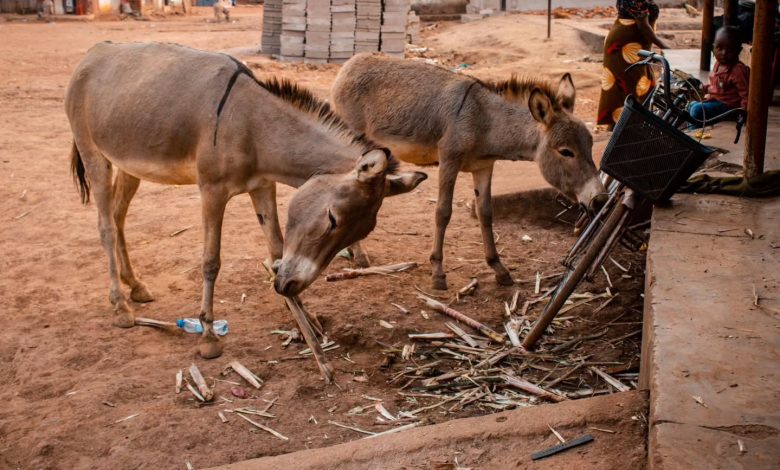
ARUSHA: THE Arusha Society for the Protection of Animals (ASPA) has said the identification of donkeys through ear tags, as is done with other livestock, will help reduce the growing challenge of illegal transportation and smuggling of the animals.
Speaking during a media’s engagement held in Arusha on the growing challenge of donkey smuggling, ASPA Director Livingstone Masija said identifying donkeys through ear tags would enable owners and authorities to track the animals and help curb illegal trade and smuggling.
“Regarding donkey identification, the government has already issued a call and directive to various people working in villages, districts and other areas on the need to tag animals for identification. Donkeys should also be identified like other animals and identification should not only apply to sheep, goats and cattle because donkeys are also important in our communities,” he said.
He said the government, through the Director of Veterinary Services and the head of the animal desk, had issued a directive that donkeys should also be tagged and identified like other animals.
“Besides identification, donkeys should be provided with veterinary services such as bathing and treatment and should not be discriminated against among the wider group of domesticated animals,” he said.
On the current situation regarding smuggling, he said many donkeys were being smuggled to Kenya, but obtaining accurate figures of those taken to neighbouring countries was difficult because the smuggling was not carried out through legal channels and the animals were transported through different means.
He said ASPA had so far intercepted 79 donkeys being smuggled to neighbouring Kenya this year, noting that the animals were intercepted while being transported through unofficial routes and that due to the long border, it was impossible to establish the actual figures.
He said other statistics were obtained through the Tanzania Police Force, through the Stock Theft Prevention Unit (STPU)
ALSO READ: ASPA pushes for appropriate measures to maintain the donkey population
“As an organisation, we have been sensitising the Tanzanian community to educate people on the need to ensure the safety of donkeys and prevent their smuggling,” he said.
“We are urging the government to enact tough laws targeting owners, so that anyone caught stealing donkeys is fined heavily enough to discourage them from committing the offence again. We also educate owners on the importance of donkeys, and we have been visiting schools to promote donkey welfare,” he said.
ASPA works in collaboration with Brooke East Africa, its partner in advocating for donkey welfare, particularly in addressing issues of transportation and illegal trade of the animals.
Speaking about donkey welfare, Dr Robert Buluba from the Ministry of Livestock and Fisheries, Northern Zone Veterinary Investigation Centre, said some citizens had been illegally transporting donkeys outside the country, particularly to Kenya.
“The government, through the Ministry of Livestock and Fisheries, has already suspended the export of donkeys and donkey products outside the country, therefore, people should understand that the trade is currently not allowed and should avoid engaging in it,” he said.