SAMWEL MOSHA: A young builder in Tanzania’s digital landscape

- At 22, Samwel Efrem Mosha is carving out a place in Tanzania’s digital landscape through technology-focused storytelling, self-directed learning and persistent work
ARUSHA, TANZANIA: In Arusha, a city internationally recognised as a gateway to some of East Africa’s most celebrated destinations, Samwel Efrem Mosha is pursuing a different kind of frontier: the digital one. At 22, he has spent years developing skills in technology, content production and digital communication while building a technology-focused platform aimed at making digital knowledge more accessible to Tanzanian audiences.
Mosha’s story is less about overnight success than persistence. His path has involved learning by doing, working with limited resources, adapting to changing digital platforms and gradually turning an early interest in technology into a sustained body of work.
His central interest is straightforward: how technology can become easier to understand, more useful and more relevant to ordinary people. That focus has shaped his work since he began developing SAMALEN TV in 2017.
THE GAP HE SAW
Mosha entered the digital space at a time when technology coverage in Tanzania was often treated as a small part of broader news and entertainment programming. For young people trying to understand software, digital tools, online opportunities and emerging technologies, specialised local content was comparatively limited.
He saw an opportunity in that gap. His approach was to combine technology education with accessible digital storytelling, with the aim of helping audiences understand not only what new technologies are, but also how they can be applied in everyday life.
“Technology is the key to opportunity. We have to take steps, use media platforms to bring change and success,” Mosha says.
That belief became a guiding principle in the development of his work. Rather than positioning technology as a subject reserved for specialists, Mosha has sought to communicate it in a way that can reach a wider public.
STARTING WITH VERY LITTLE
The early years were modest. Around 2017, Mosha began experimenting with digital content from a small room in Arusha, using an initial budget of roughly 200,000/-. There was no professional studio, production team or extensive equipment. Much of the work depended on a mobile device, internet access and skills developed through online learning.
Graphic design and video editing became practical entry points. Online tutorials, experimentation and repeated trial and error gradually became a form of informal training. Each project presented another technical problem to solve, from creating visuals and editing footage to distributing content and understanding audience behaviour.
The limitations were real. Equipment was expensive, connectivity required constant spending and professional production tools were not always within reach. Yet those constraints also pushed Mosha toward a hands-on understanding of the entire production process.
Instead of waiting for ideal conditions, he learned to work with what was available. That experience continues to influence the way he approaches technology and digital production.
FROM CONTENT CREATOR TO TECHNOLOGY PRACTITIONER
Over time, Mosha’s interests expanded beyond publishing individual pieces of content. He developed experience across information technology, graphic design, video production, digital communication and media operations.
His educational path has also contributed to that combination of skills. His studies in computing and information technology have provided a technical foundation, while practical work has required him to understand the creative and human sides of digital communication.
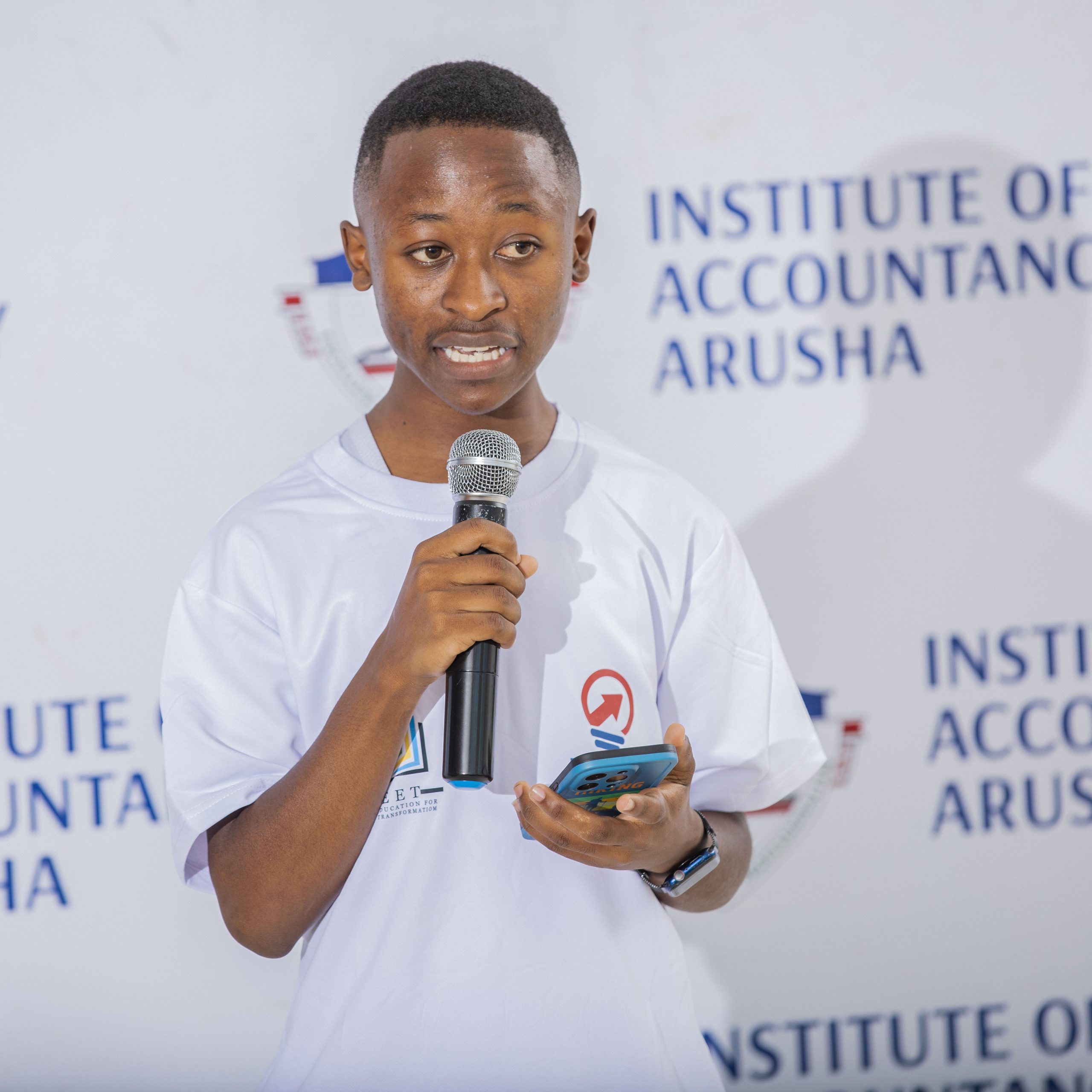
The result is a profile that sits between technology and media: someone interested not only in using digital tools, but also in explaining them, producing content around them and understanding how audiences interact with them.
BUILDING A DIGITAL PRESENCE
The growth of SAMALEN TV has taken place across several major social platforms, including YouTube, TikTok, Instagram, Facebook and X. Each platform has required a different approach to storytelling, audience engagement and presentation.
By early 2026, the YouTube channel had accumulated more than 7,750 subscribers. In February 2025, it passed 500,000 total views. For a largely self-funded technology-focused operation, those figures represented evidence that there was an audience for locally produced digital technology content.
But digital growth has not been linear. Algorithm changes can alter reach, audience behaviour can shift quickly, and independent creators often operate without the financial resources available to established media organisations. Mosha has had to respond to those changes while continuing to produce and learn.
THE COST OF PERSISTENCE
Behind the visible side of digital publishing is a less visible challenge: sustainability. Producing content requires time, equipment, internet access and technical skills, while the financial returns may take much longer to develop.
Mosha has experienced periods in which the audience was growing faster than the income generated by the work. The experience forced him to think beyond content creation and consider how a young digital operation can remain active while still developing its long-term direction.
He says: “There were months where I questioned whether to continue. The views were growing but the returns were not there. I had to find other ways to sustain the work.”
For Mosha, persistence has therefore been as important as creativity. The ability to continue learning and producing during periods of uncertainty has become part of the story.
THE ARUSHA CONNECTION
Arusha remains central to Mosha’s outlook. The city has a strong tourism economy, a growing youth population and an increasingly visible community of entrepreneurs, creatives and technology users. For him, that combination creates possibilities beyond the traditional image of the city.
He sees potential for Arusha to strengthen its position as a technology and creative centre in East Africa, particularly if young people have access to knowledge, digital tools, workspaces and opportunities to develop ideas.
“Arusha has everything it needs to be a tech and creative hub for East Africa. My goal is to be part of building that, not just for myself, but for the people who come after,” he says.
A WORK IN PROGRESS
Samwel Efrem Mosha’s journey is still developing. At 22, he is working in a rapidly changing digital environment in which technology, media and entrepreneurship increasingly overlap.
His significance lies not simply in the size of an online audience, but in the process behind it: starting with limited resources, learning independently, building practical skills and continuing to experiment in a market where specialised technology communication remains relatively young.
There is no guarantee that every ambition will materialise exactly as planned. Digital platforms change, business models evolve and competition continues to grow. But the discipline of learning, adapting and producing has already become a defining feature of Mosha’s work.
LOOKING AHEAD
Mosha’s long-term ambition is to contribute to a stronger culture of technology education and digital innovation in Tanzania. His focus remains on making technology understandable, useful and accessible, while continuing to develop the technical and creative skills needed to operate in an increasingly digital economy.
For a young Tanzanian building from Arusha, the journey offers a wider lesson. Digital opportunities do not always begin with large investments or established institutions. Sometimes they begin with curiosity, a modest amount of money, a willingness to learn and the determination to keep building.
Samwel Efrem Mosha is still at the beginning of that journey. What comes next will depend on how he develops his skills, responds to a changing digital economy and turns years of experimentation into lasting work. For now, his story is one of a young technology practitioner steadily building his place in Tanzania’s digital landscape.