Fuel prices climb amid Middle East crisis
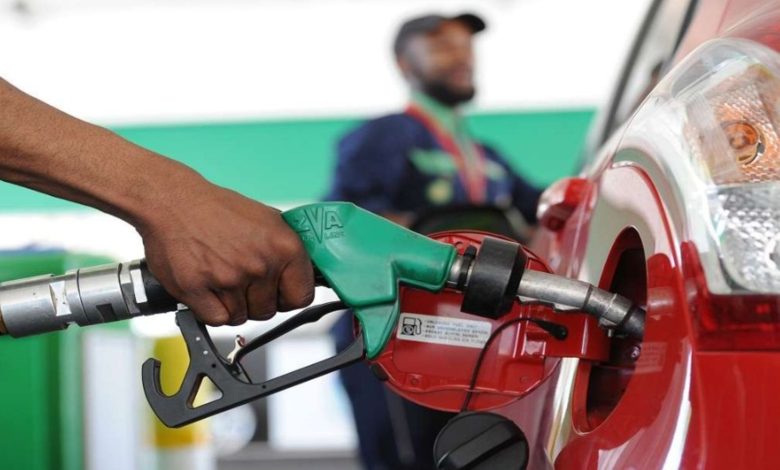
DAR ES SALAAM: MOTORISTS will pay more for fuel in October after the price of a litre of petrol in Dar es Salaam rose by 261/- to 4,057/-, while diesel increased by 209/- to 4,086/-.
The Energy and Water Utilities Regulatory Authority (EWURA) set the maximum retail price for petrol in Dar es Salaam at 4,057/-a litre from October 7, up from 3,796/- in September. Diesel increased to 4,086/- a litre from 3,877/-, while kerosene rose to 4,067/- from 3,713/-.
The increases mean motorists in Dar es Salaam will pay an additional 261/- a litre for petrol compared with September, while diesel has increased by 209/-. Kerosene recorded the largest increase, rising by 354/- a litre.
The latest adjustment reverses the decline recorded in September and is likely to add pressure to transport and operating costs for businesses that rely heavily on fuel.
Higher diesel prices could raise costs for transport, construction, agriculture and other diesel-dependent businesses, potentially pushing up goods and service prices.
EWURA attributed the October increases to renewed geopolitical tensions in the Middle East, where most of the country’s petroleum products are sourced.
The regulator said the tensions continued to affect global oil production, supply and shipping, driving up international prices of refined petroleum products during September.
Prices are higher outside Dar es Salaam, reflecting the cost of distributing fuel from the main import ports to markets across the country.
In Tanga, the October retail cap is 4,123/- a litre for petrol, 4,152/- for diesel and 4,133/- for kerosene. Mtwara has higher caps at 4,170/- for petrol, 4,199/- for diesel and 4,180/- for kerosene.
Kyerwa District in Kagera region has the highest retail caps among the markets listed, at 4,370/- a litre for petrol, 4,399/- for diesel and 4,380/- for kerosene.
This means motorists in Kyerwa will pay 313/- more per litre for each of the three products than consumers in Dar es Salaam, highlighting the additional distribution costs faced by markets farther from the main ports.
ALSO READ: Motorists turn to CNG as fuel costs climb
The fuel hike is raising concerns among motorists and commuters, with some residents saying higher pump prices could push up transport and living costs across.
Yusuf Mahmood of Mbagala said he was shocked by the 261/-per-litre petrol increase. “It is surprising. With the rising cost of living, I will use my car only for emergencies and opt for public transport,” he said.
He questioned whether ‘daladala’ and ‘bajaji’ fares would remain affordable as fuel costs rise. Mr Mahmood also warned that food prices could increase because much of Dar es Salaam’s food is transported from upcountry.
“If fuel prices keep rising, the situation could worsen, including during El Niño disruptions,” he said.
A Bodaboda operator, George John said he has raised the Makumbusho-city centre fare to 7,000/- from 5,000/- following the fuel price increase.
Mr John said the fare increase was necessary because fuel accounted for a significant share of daily operating costs.
He added that fares on other routes would also rise depending on the distance travelled and the amount of fuel consumed.
EWURA said the government is closely monitoring developments in international oil markets and taking measures to maintain security of fuel supplies while keeping prices affordable.