

Experts call for routine breast cancer checks
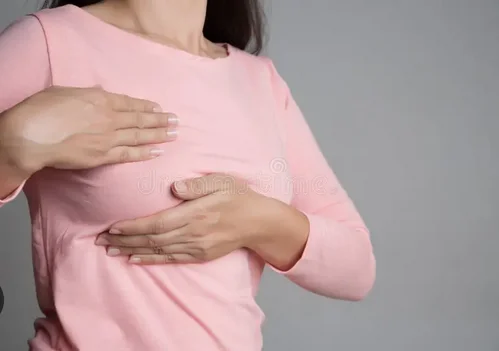
DAR ES SALAAM: HEALTH experts and leaders have urged the public to make routine health checkups a habit, stressing that early detection remains key to saving lives and improving breast cancer treatment outcomes.
The call comes as Tanzania joins the world in marking Breast Cancer Awareness Month, popularly known as ‘Pink October’.
Speaking to journalists recently, Manager of Cancer Screening Services and Public Education at the Ocean Road Cancer Institute (ORCI), Dr Maguha Stefano, explained that cancer occurs when changes in the body’s cells disrupt their normal growth and reproduction.
“Cancer is a change in the living cells within the body. Every second they reproduce and grow according to a specific regulated process, but when those changes go wrong, that is when cancer can occur,” Dr Stefano explained.
She said breast cancer can be difficult to detect in its early stages because it is usually painless, with patients often feeling completely healthy.
“In its very early stages, breast cancer is completely painless. A person might feel entirely healthy. The main challenge is that many people wait until they notice major symptoms or pain before going to the hospital, leading to diagnosis in the final stages which are difficult to treat. It is vital to get screened at least once a year, even if you show no symptoms at all,” she said.
ALSO READ: 2,848 women attend cervical and breast cancer screening in Arusha
Tanzania continues to face a rising cancer burden, with breast cancer being the second most common cancer among women, accounting for approximately 14.4 per cent of all new female cancer cases, behind cervical cancer.
The World Health Organisation (WHO) also identifies breast cancer as the leading cause of cancer among women worldwide.
Although about 99 per cent of breast cancer cases occur among women, Dr Stefano said men were also at risk, accounting for approximately one per cent of reported cases.
She also cautioned against the perception that breast cancer affects only older people, noting that younger women can also develop the disease.
“Our recent statistics show that even young women aged 20 or 22 can also get breast cancer,” Dr Stefano warned. She said being female was the biggest risk factor, while unhealthy lifestyles could also increase the chances of developing the disease. “Simply being female puts you at a 99 per cent risk of developing breast cancer. However, unhealthy lifestyle choices also contribute significantly. Diets high in fat, red meat, and processed foods such as sausages and bacon, alongside obesity, tobacco use, shisha, and heavy alcohol consumption all heighten the risk. Furthermore, a family history of cancer is another key risk factor,” she explained.
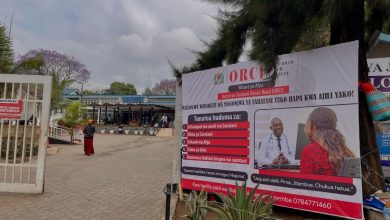
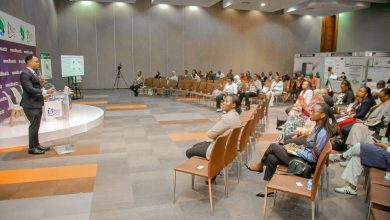
As part of this month’s campaign, ORCI has organised public education programmes and screening drives targeting workplaces and local communities.
Dr Stefano urged members of the public to take advantage of the services and education provided by the institute.
“I would like to invite members of the public to visit the Ocean Road Institute to access screening services and education, as our goal is to control cancer in its earliest stages,” she said.

This article offers plenty of room for readers to think about the subject from their own perspective. I enjoyed the informative tone and the way the key ideas were developed. My website also contains a related topic that may continue the conversation.
I came across a few ideas here that I had not encountered in quite the same way before. The article explains them clearly and gives enough context to make them meaningful. I have discussed a related subject on my website if you want another reference point.