Experts say early cancer detection saves children
ZANZIBAR: EARLY detection and treatment of childhood cancer can significantly improve children’s chances of recovery, a paediatric cancer and blood specialist from Muhimbili University of Health and Allied Sciences (MUHAS), Dr Lulu Chirande, has said.
Dr Chirande urged parents and guardians to learn the warning signs of childhood cancer and take children to hospital promptly instead of waiting for the disease to progress.
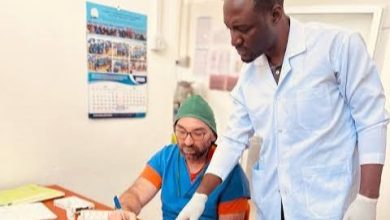
She made the call in Zanzibar while providing education on early detection of childhood cancers to health workers and journalists at Tumekuja School.
She said children whose cancers were detected at an early stage and who received appropriate treatment had a greater chance of recovering and returning to normal activities.
“The main goal is to help children be diagnosed early, access services and receive proper care. When childhood cancers are detected early and treated appropriately, the child can recover completely,” Dr Chirande said.
She said society had an important role to play in ensuring children received medical attention promptly whenever warning signs appeared.
“Families should not ignore unusual changes in a child’s health or delay seeking medical care,” Dr Chirande said, warning that late diagnosis could allow cancer to spread, making treatment more difficult and reducing the chances of recovery.
Dr Chirande said approximately 1,000 children are diagnosed with cancer at different hospitals in Tanzania every year. However, she said the figure represented only a portion of children believed to develop cancer because some did not reach health facilities or were diagnosed late.
“We need to help children be diagnosed early, access services and receive proper care,” she said, urging health professionals and journalists to regularly educate the public about childhood cancer symptoms.
Dr Chirande said children who received timely treatment could recover, grow and eventually participate fully in family, community and economic activities.
She cited estimates showing that about 400,000 children worldwide develop cancer every year, with a large proportion living in low-income countries, including countries in sub-Saharan Africa.
In Zanzibar, a specialist in blood diseases at Ijitimai District Hospital, Dr Mohamed Said Suleiman, said 115 children had been treated and recovered from cancer, while 110 deaths had been recorded between 2018 and 2026.
Dr Suleiman said the figures highlighted the need for greater awareness and timely access to treatment among children suspected of having cancer.
ALSO READ: Tanzania installs 700 Digital X-Ray and 97 CT Scan machines for cancer detection
Specialist in Blood Diseases and Cancer, Dr Regina Elia, said childhood cancers could affect the eyes, kidneys, blood, bones, brain and lymphatic system. She said parents should pay attention to unusual physical and behavioural changes in children and seek medical attention when such signs appeared.
“Warning signs of eye cancer can include a white appearance inside the eye, sudden squinting, loss of vision, persistent eye pain or redness that does not improve with ordinary treatment,” Dr Elia said.
She said kidney cancer could present as swelling or a hard mass in the abdomen, while blood cancer could cause persistent fever, abdominal swelling due to an enlarged liver or spleen, swollen lymph nodes, unexplained bleeding and red spots on the skin.
“Parents and guardians should not ignore these signs because early examination can help determine what is affecting the child,” she said.
Dr Elia said bone cancer could cause persistent pain, particularly among children and young people, which might initially be mistaken for sports injuries.
“Continued pain may later be accompanied by swelling, so parents should seek medical attention when the pain persists,” she said.
She said brain cancer could present through sudden seizures, headaches, loss of vision, changes in walking, frequent vomiting, especially in the morning, and declining school performance.
“Parents should take children to hospital whenever they notice such changes so that they can be properly examined and receive timely treatment,” Dr Elia said.
She said some cancers affecting children aged between five and 15 could also cause swollen lymph nodes, facial swelling and loose teeth resulting from a tumour developing inside the jaw.
Dr Elia urged parents and guardians to avoid waiting for symptoms to become severe before seeking medical attention.
“Early examination is important because it gives health professionals an opportunity to identify the problem and determine the appropriate treatment,” she said.