Floton Africa acts on growing need for public sanitation in Paje
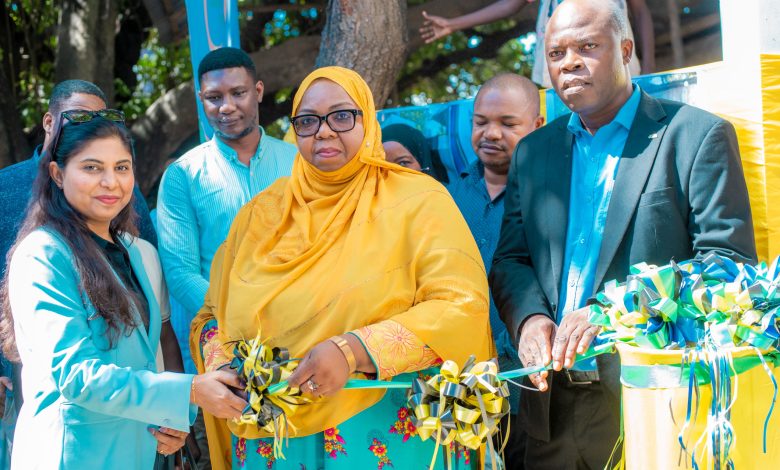
Unguja. The opening of seven public toilets in Paje has highlighted the growing need for basic sanitation infrastructure as the popular southern Unguja destination expands as a residential, tourism and commercial centre.
South Unguja Regional Commissioner Hamida Mussa Khamis said the availability of public toilets was important for protecting the environment and ensuring residents and visitors had access to basic sanitation facilities.
She made the remarks on Saturday after launching the facilities, which were constructed at a cost of 40m/- by Floton Africa.
Ms Khamis said the expansion of Paje had made it necessary to provide essential social infrastructure and reduce the practice of people relieving themselves in unofficial areas.
Beyond the issue of convenience, the availability of adequate public toilets is closely linked to general hygiene and the cleanliness of public spaces.
Where appropriate sanitation facilities are unavailable or inaccessible, public areas can be exposed to human waste, creating unpleasant conditions for residents and visitors and placing additional pressure on efforts to maintain a clean environment.
The regional commissioner said the community had a responsibility to use the new facilities properly and keep them clean, stressing that public sanitation infrastructure could only remain effective if it was accompanied by responsible use and maintenance.
The development also points to a broader challenge facing rapidly growing destinations such as Paje: ensuring that public services keep pace with population growth, tourism and commercial activity.
For local authorities, the challenge is therefore not simply to construct sanitation facilities, but to ensure they are adequately maintained, accessible and integrated into wider efforts to keep public areas clean.
ALSO READ: Govt drafts emergency sanitation pla
Chairman of the South Municipal Council Ramadhan Makame Mbanja and its Director, Mussa Haji Mussa, said the council was seeking to ensure that essential services reached communities in areas with large concentrations of people and significant social activity.
The two officials said public facilities were particularly important in locations where people regularly gather, making sanitation an issue that extends beyond individual households to the management of shared public spaces.
Swapna Brahmaroutu, who represented Floton Africa Foundation, said the company was prepared to work with the South Unguja regional authorities in addressing social challenges requiring urgent attention.
The seven toilets were constructed by Floton Africa Foundation at a total cost of Sh40 million.
While the facilities provide an immediate response to a basic sanitation need, their long-term public health and environmental value will depend on regular cleaning, maintenance and responsible use.