New tech strengthens disaster preparedness
ANKARA: TANZANIA is strengthening its capacity to manage disasters through modern technologies, including satellite systems and artificial intelligence (AI), to improve early warning, preparedness, response and recovery efforts.
Permanent Secretary in the Prime Minister’s Office (Policy, Parliament, Coordination and Persons with Disabilities), Dr Jim Yonazi, said the move was aimed at strengthening the country’s institutional and technical capacity to reduce disaster risks and improve emergency response and recovery systems.
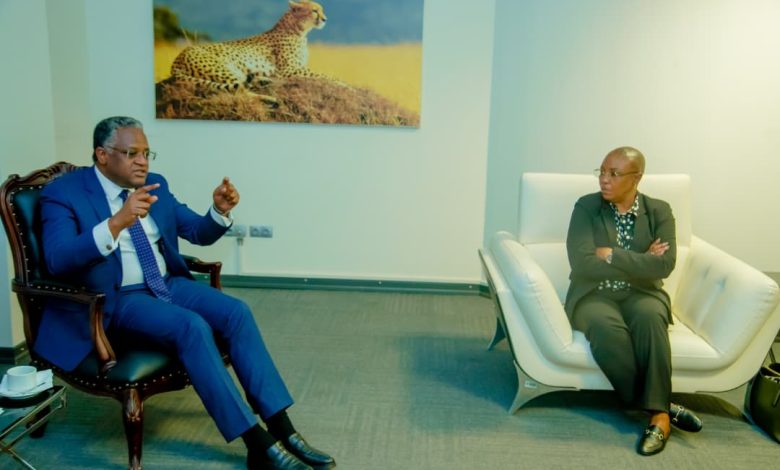
Dr Yonazi said on Monday, during his working visit to Ankara, Türkiye, where he is exploring opportunities to enhance knowledge and cooperation in disaster risk reduction, emergency response and the use of modern technology in disaster management.
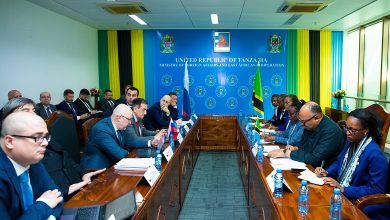
During the visit, Dr Yonazi toured Turksat, Türkiye’s satellite operator, where he observed the institution’s operations in satellite services, communications and space technologies.
Turksat, owned by Türkiye’s sovereign wealth fund, is the country’s sole satellite communications operator, providing data, internet and communication services to public and private institutions within and outside Türkiye, including areas where conventional communication infrastructure is limited.
Dr Yonazi said Tanzania was exploring ways to expand its capacity to use satellite information and AI to identify disaster-prone areas and provide early warnings, enabling authorities to plan more effectively to prevent and minimise the impact of disasters.
He said the Prime Minister’s Office viewed disaster prevention and response as a national responsibility requiring adequate capacity across the country.
According to Dr Yonazi, disaster management should go beyond rescuing people when disasters occur and instead form part of the country’s broader national security framework.
He cited floods as one area where satellite technology could play an important role by helping authorities determine water levels in rivers and identify areas exposed to risks, while also assessing the potential scale of damage.
“The information will enable the government to plan in advance the resources required to prevent and minimise the impact of disasters,” he said.
ALSO READ: Engineers urged to prepare disaster-resilient solutions
He added that such information would also help authorities prepare equipment, personnel and response teams for deployment to areas likely to be affected.
Giving an overview of Turksat, its Director of Satellite Services and Sales, Mr Fuat Eroglu, said the institution currently operates six satellites and carries out its core functions in three major areas.
These include satellite communications, television and radio broadcasting, and internet data services and information technology systems supporting e-Government.
Mr Eroglu said Turksat also supplies equipment for internet data and television and radio broadcasting centres through satellite links during disasters.
He said the systems help maintain emergency communications when mobile phone towers and communication fibre networks are damaged by disasters.
“On emergency and strategic communications, Turksat provides secure communication infrastructure for strategic sectors such as public security, the military, maritime transport, aviation and communication systems during natural disasters or emergencies,” Mr Eroglu said.
The visit is part of Tanzania’s efforts to strengthen institutional preparedness and adopt modern technologies capable of supporting timely decision-making before, during and after disasters.