Why your child needs an eye test before the school bell rings
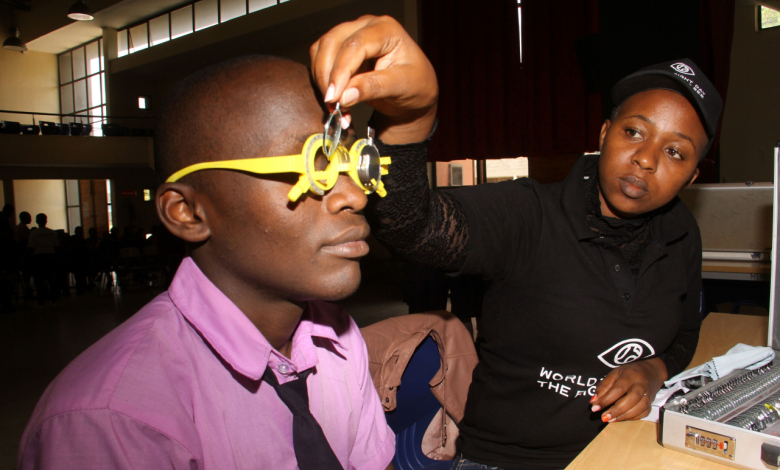
DAR ES SALAAM: Global eye health experts have urged parents to prioritize eye testing for their children before the beginning of the new school term, as data from the International Agency for the Prevention of Blindness (IAPB) shows that a simple eye test and glasses could help double a child’s lifetime earnings.
The experts reported that uncorrected refractive error is the leading cause of vision impairment in children and accounts for a total of 27,178 years of lost schooling in Tanzania every year.
However, if the issue is identified at age five and corrected by wearing quality glasses through to age 18, data shows this could more than double (a 124 percent increase) the lifetime earnings of a child growing up in Tanzania.
The IAPB published new findings with data highlighting 23 countries where a child’s lifetime earnings could double, and is encouraging parents to arrange routine eye tests for their children if they are able.
The IAPB is also launching a “Love Your Eyes Back-to-School” campaign focused on children’s eye health. The campaign includes content for school assemblies, in-class activities, and take-home materials for children to share with their parents and caregivers.
The IAPB’s call to action comes ahead of the first-ever Global Summit for Eye Health in Antigua and Barbuda on November 2, where Heads of State and partners will make commitments to improve eye care services worldwide.
According to IAPB CEO Peter Holland, a simple eye test and glasses could be one of the best investments a parent can make for their child’s future.
ALSO READ: Thousands benefit from free eye care as foundations strengthen Tanzania’s healthcare access
“We recognize it may not be possible for some parents to arrange and afford eye tests and glasses, which is why we urge governments to ensure every child has access to sight tests and glasses. Every child deserves to see clearly when they start school or return for the new school term,” the CEO noted.
Addressing the matter, Sumrana Yasmin, technical director for inclusive health at Sightsavers, added that every child deserves the chance to see, learn, and thrive, making the support of child eye care a smart decision.
“Investing in eye tests and glasses is not only about preventing avoidable vision loss; it is also about unlocking potential, transforming lives, and ensuring no child is left behind,” Yasmin insisted.
CharityVision International Programs Director Anadine Marshall said a child who cannot see the board can easily be mistaken for a child who is struggling to learn.
To Marshall, a simple vision screening can identify a problem that might otherwise go unnoticed for years.
“By reaching children at school and providing glasses when they need them, we can remove a simple barrier that makes an enormous difference in their education, confidence, and future,” the CharityVision director said.