Regional markets beckon as glass capacity surges
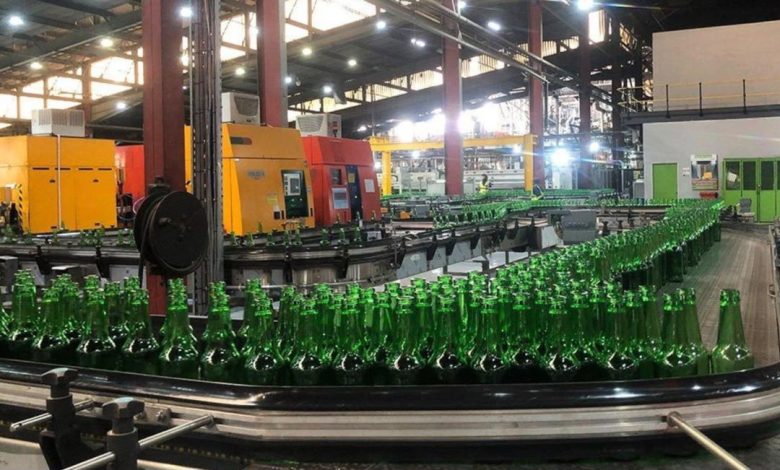
DAR ES SALAAM: CONTAINER glass manufacturing capacity has expanded to about three-and-a-half times domestic demand, creating new export opportunities but also putting pressure on manufacturers to secure regional markets to keep the additional capacity productive.
The expansion reflects growing investment in manufacturing sector, with Kioo Limited directly employing more than 900 people and supporting an estimated 2,500 additional jobs across the wider value chain, including cullet collection, transport, warehousing, engineering services, packaging supply and distribution.
Speaking to journalists over the weekend, Kioo Limited General Manager, Mr Vineet Verma, said over the weekend that the company’s expanded plant had created capacity well beyond domestic requirements, making exports increasingly important to sustain production and employment.
“The capacity has now significantly exceeded local consumption, so the company needs reliable access to markets beyond borders,” Mr Verma said.
The company’s ability to access competitive regional markets will therefore be critical to fully utilising the expanded capacity, supporting exports and sustaining employment across the wider glass manufacturing value chain.
The expansion of regional markets could provide the Company with an avenue to absorb excess production while strengthening position in manufactured exports.
ALSO READ: TBS: Certification opens doors to regional markets
Greater access to neighbouring markets would also enable the company to increase production volumes, improve capacity utilisation and support businesses involved in transport, packaging and distribution.
The plant produces glass containers for beer, spirits, soft drinks, water and food products, with excess capacity available for export.
Mr Verma said the expansion created an opportunity for the country to increase manufactured exports while strengthening industrial linkages and employment.
However, he identified energy costs as a major challenge to the competitiveness of Tanzanian glass in regional markets.
He said the natural gas price paid by the company is more than twice that available to some glass manufacturers in Egypt and South Africa, which compete for some of the same markets.
Electricity costs also add to production expenses, while the absence of effective export incentives makes it harder for Tanzanian manufacturers to compete with producers from countries offering rebates, duty drawbacks and freight support.
Additional duties imposed on glass containers entering some regional markets further increase the final cost of Tanzanian products, he said.
Mr Verma said improving market access, energy costs and export incentives would allow manufacturers to utilise excess capacity, increase exports and sustain more than 3,000 jobs linked to the glass industry.
He also called for greater discussion on packaging policy, particularly the use of glass for alcoholic beverages, saying glass is recyclable and suitable for beverages and food products.