Zanzibar promotes AI-driven tourism innovation
ZANZIBAR: ZANZIBAR is exploring the use of artificial intelligence (AI) and other digital technologies to strengthen its tourism sector, improve visitor services and enhance the islands’ competitiveness in the global tourism market.
The move was highlighted by the Permanent Secretary in the Ministry of Tourism and Heritage, Dr Aboud Suleiman Jumbe, during the 2026 World Tourism Day celebrations in Zanzibar, which brought together stakeholders from across the tourism sector.
Dr Aboud said AI could improve tourism services, make information more accessible and increase efficiency in areas ranging from destination marketing to communication with visitors.
“Artificial intelligence can help tourists obtain information about destinations, accommodation facilities, attractions and activities available during their trips, making travel planning easier and improving the visitor experience,” he said.
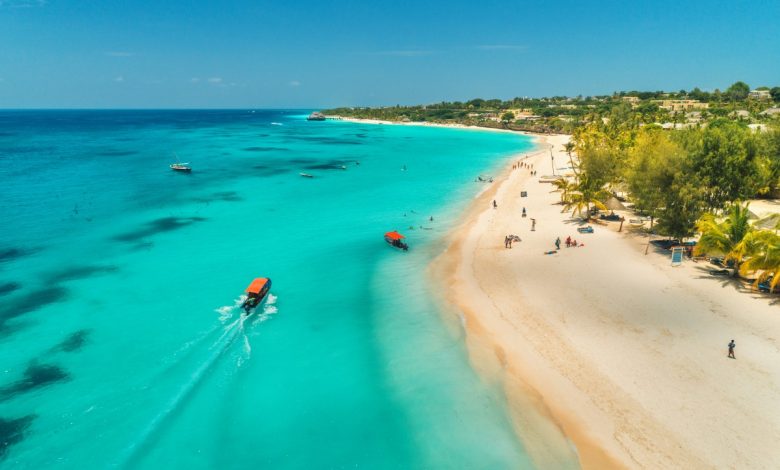
He said Zanzibar could also use the technology to promote its beaches, marine attractions, historical sites, culture and heritage, helping to raise the islands’ profile in international tourism markets.
The discussions came as the government reaffirmed its commitment to expanding the use of technology and innovation across the tourism sector.
Meanwhile, in a World Tourism Day message yesterday, Minister for Natural Resources and Tourism, Dr Ashatu Kijaji said the government would continue working with the private sector to promote AI and other digital technologies to improve tourism services, market attractions and increase the sector’s contribution to communities and the national economy.
“The government will continue to strengthen the use of technology, particularly artificial intelligence and innovation, in partnership with the private sector to improve tourism services, promote attractions and increase the sector’s contribution to communities and the national economy,” Dr Kijaji said.
She said the commitment aligns with this year’s World Tourism Day theme, ‘Digital Agenda and Artificial Intelligence to Redesign Tourism,’ which highlights the role of technology in transforming the industry.
Dr Aboud said the Zanzibar government had continued investing in infrastructure supporting tourism, including roads, airports, ports, water, electricity, health services, security and communication systems.
He said the next step was equipping young people with the knowledge and skills needed to use emerging technologies, participate in innovation and develop systems capable of improving efficiency and competitiveness in the tourism industry.
According to UN Tourism figures presented during the celebrations, 1.5 billion international tourists travelled in 2025, spending about 1.8 trillion US dollars, equivalent to an average of 1,200 US dollars per visitor.
GIZ representative Nicolas Lamade said tourism remained a key pillar of Zanzibar’s economy and pledged continued cooperation with the government to promote sustainable tourism.
He said Germany and Zanzibar would continue working together through programmes linking tourism with the blue economy while protecting beaches, forests, marine resources and cultural heritage for future generations.
Mr Lamade said digital technologies could also improve water and energy efficiency, strengthen waste management and support better monitoring of marine resources, while ensure local communities benefit from innovation.
The Chairman of the Zanzibar Tourism Development College Council and the Zanzibar National Association of Tourism Investors, Mr Ali Amour, urged young people to acquire professional skills that would enable them to become drivers of the sector’s future growth.
He said investing in education, skills and technology would improve tourism services, attract more visitors and increase the sector’s contribution to the economy.