Tanzania reaps gains after FATF grey list exit
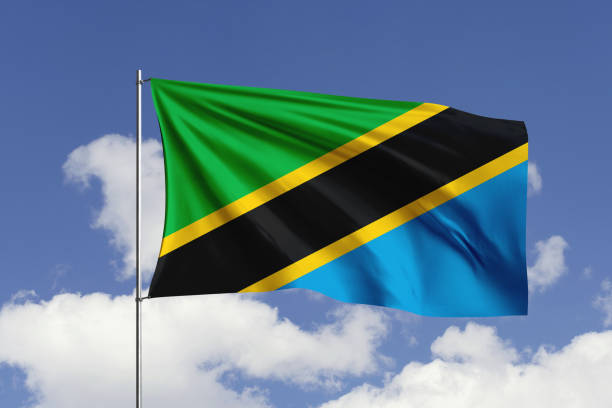
GEITA: TANZANIA’S removal from the Financial Action Task Force (FATF) grey list in July 2025 has strengthened the country’s financial credibility, eased international transactions and boosted investor confidence after reforms to combat money laundering and terrorist financing.
The FATF grey list is a list of countries under increased monitoring because they have strategic weaknesses in their systems for combating money laundering, terrorist financing and the financing of weapons of mass destruction, but have committed to addressing those shortcomings within agreed timeframes.
Bank of Tanzania (BoT) Legal Officer, Ms Lilian Mawala said the country earned its removal after implementing recommendations issued by FATF to strengthen its legal and regulatory framework against money laundering, terrorist financing and the financing of weapons of mass destruction.
Speaking in an exclusive interview with the Daily News in Geita yesterday, Ms Mawala said countries placed on the grey list face heightened scrutiny in international financial dealings.
“When a country is placed on the grey list, it means that it is subjected to closer scrutiny,” she said.
She said the listing had previously made it more difficult for Tanzanian financial institutions to establish relationships with international counterparts because additional conditions were often imposed on financial transactions involving the country.
Following the reforms, she said, Tanzanian financial institutions can now cooperate more easily with global partners, making international transactions smoother while strengthening confidence among investors and international lenders.
According to Ms Mawala, Tanzania’s financial system is now recognised as having safeguards capable of preventing money laundering, terrorist financing and the financing of weapons of mass destruction.
She said the country achieved the milestone after amending key legislation, including the Anti-Money Laundering Act, closing regulatory gaps and strengthening oversight across the financial sector.
“It was found that there were gaps in various laws, including the Anti-Money Laundering Act. There were issues that the law had not yet addressed, others were unclear, and there was no institution responsible for overseeing some areas of the financial sector,” she said.
She added that authorities also strengthened supervision of financial institutions and introduced mechanisms for enforcing targeted financial sanctions against individuals linked to terrorism.
Ms Mawala said the BoT was among institutions assigned specific responsibilities for regulating and supervising virtual assets and virtual asset service providers to ensure compliance with international standards.
“The BoT was required to supervise these stakeholders to ensure that they continued to meet various requirements, including those related to conducting business and transfers,” she said.
She said Tanzania will undergo another assessment in 2028, when evaluators will examine how effectively the country has implemented the remaining recommendations issued in 2025.
The assessment will be conducted through the Eastern and Southern Africa AntiMoney Laundering Group (ESAAMLG), whose member states carry out mutual evaluations by assessing one another’s anti-money laundering and counter-terrorism financing systems.
Ms Mawala said Tanzania’s strengthened compliance framework is expected to support cross-border trade, attract investment and expand economic opportunities for citizens as confidence in the country’s financial system continues to grow