EAC bloc’s smallholder farmers call for timely access to climate finance
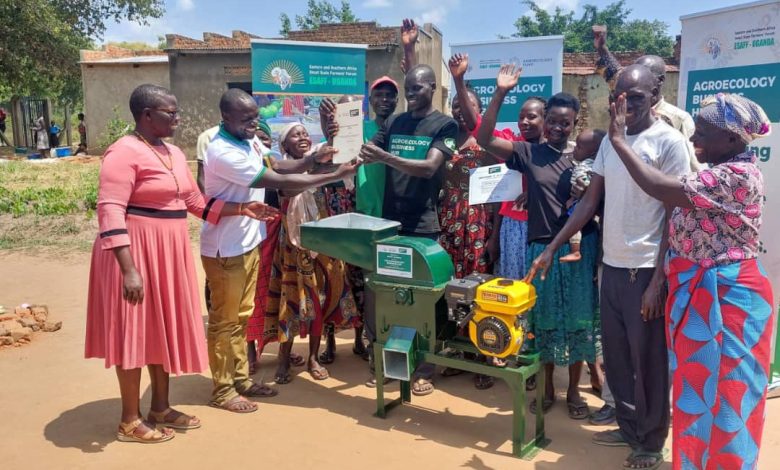
NAIROBI: SMALLHOLDER farmers in East Africa have called on East African Community (EAC) Partner States to ensure that climate finance reaches farmers and communities on time to enable them to respond effectively to the impacts of climate change.
The call was made during the EAC Farmers’ Regional Dialogue on Climate Change, held as the regional bloc develops its 10-year Climate Change Strategy and Action Plan (2026–2036).
Speaking during the online dialogue, Eastern and Southern Africa Small-Scale Farmers Forum (ESAFF) Chairperson Diane Sibanda said climate change had already become a daily reality for farmers, affecting production, incomes, food security and livelihoods.
She said farmers were facing unpredictable rainfall, prolonged droughts, floods, rising temperatures, pests and diseases, which continue to affect agricultural production.
Sibanda said climate action should therefore ensure that smallholder farmers and communities are not only beneficiaries but active participants in shaping, implementing, monitoring and evaluating climate policies and programmes.

“ESAFF has called for the institutionalisation of smallholder farmer participation, including women, youth and vulnerable groups, in planning, implementation, monitoring and evaluation of the EAC Climate Change Strategy and Action Plan.
Sibanda has also urged the EAC to make agroecology central to agricultural adaptation by translating commitments on sustainable land management into concrete actions and dedicated budgets to support farmer-led practices.
On climate finance, ESAFF has called for simplified and accessible financing mechanisms to ensure that adaptation funds reach farmers’ organisations and communities at the local level.
It has further proposed strengthening farmer-led social accountability by enabling farmers to track climate budgets, commitments and implementation through community scorecards, public expenditure tracking and participatory monitoring.
She said the forum has called for the EAC Climate Change Strategy to be aligned with regional and continental frameworks, including the CAADP Kampala Declaration and the EAC Regional Agri-food Systems Investment Plan (RASIP), to strengthen policy coherence, implementation and reporting.
According to ESAFF, the strategy should also be linked with Nationally Determined Contributions (NDCs), National Adaptation Plans and the Paris Agreement, while strengthening East Africa’s contribution to global climate discussions.
The regional dialogue is also expected to develop recommendations towards the 31st UN Climate Change Conference (COP31), including calls for climate action that places smallholder farmers at the centre of adaptation efforts.
ALSO READ: EAC member states meet in Dar to streamline intra-EAC trade, non-tariff barriers
The recommendations are expected to emphasise direct access to climate finance for farmers and communities, investment in agroecology and farmer-managed seed systems, as well as operationalising Loss and Damage support for farmers affected by climate change.
Sibanda urged farmers to openly share their experiences, priorities and solutions, while calling on policymakers and development partners to listen and translate the recommendations into concrete actions under the new EAC Climate Change Strategy.