

Beyond beauty, Lake Nyasa could become Ruvuma’s next major engine of domestic tourism growth
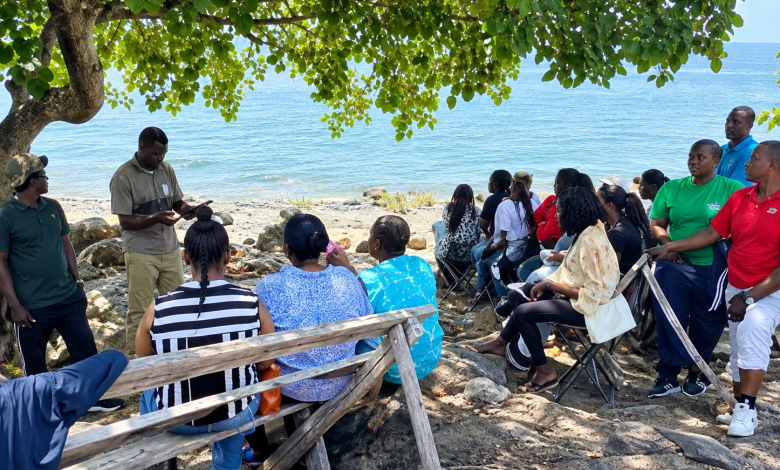
RUVUMA: RUVUMA Region has a significant tourism opportunity that could contribute to the growth of domestic travel if greater attention is directed towards Lake Nyasa and the attractions surrounding it. While the lake is already recognised for its scenic waters and natural beauty, its potential extends far beyond what is immediately visible. With appropriate promotion, conservation and investment in visitor experiences, Lake Nyasa could become an important destination for Tanzanians seeking new places to explore within their own country.
The experience at Lundo Island provides evidence that many of the ingredients required to develop a competitive domestic tourism destination are already available. What remains is to make these attractions better known, improve their promotion, strengthen conservation efforts and develop experiences that encourage visitors to stay longer. Such an approach would not only increase the number of tourists visiting the area but could also encourage greater spending within communities surrounding the attractions.
Tourism can become an important source of income for communities living around Lake Nyasa. As visitor numbers grow, demand would increase for a broad range of services, including boat operations, tour guiding, accommodation, restaurants, local food supplies, handicrafts, transport and other small businesses.
The economic value generated by tourism, therefore, does not have to remain within a conservation area or at a particular attraction. When tourism is properly planned and managed, its benefits can extend into surrounding communities and create opportunities for residents to participate directly in the visitor economy.
For Nyasa District, developing Lake Nyasa as a domestic tourism destination could complement existing economic activities while providing communities with additional sources of income. This opportunity is especially relevant because domestic tourists can help sustain tourism destinations throughout the year, reducing dependence on international visitors alone.
One of the greatest challenges facing lesser-known destinations is often not the absence of attractions, but limited public awareness of what they offer.
Tanzania has several internationally recognised tourism destinations that have benefited from years of marketing and exposure. Attractions such as Lake Nyasa and Lundo Island, however, still have considerable room to build stronger recognition among Tanzanians themselves.
This makes destination marketing an essential part of the development process. People are more likely to visit destinations they know about, understand how to reach and believe will provide a worthwhile experience. Lake Nyasa therefore needs to be presented not merely as a geographical feature, but as a complete tourism experience.
Its lake scenery, islands, wildlife, birdlife, cultural stories and water-based activities can each provide reasons for visitors to travel to Nyasa. When these attractions are presented as interconnected experiences, the destination becomes easier for potential visitors to understand and appreciate.
Creating experiences, not just visits
Modern tourism is increasingly centred on experiences rather than simply visiting a location. Travellers want to participate in activities, learn something new, discover unusual attractions and create memories they can share with others.
This presents an opportunity for Lundo Island and other attractions around Lake Nyasa. Water-based tourism can be developed alongside nature and cultural experiences, while educational tourism could provide opportunities for schools, families and groups interested in learning about the environment.
The underwater viewing experience offered through the boat, for example, provides visitors with a distinctive way of experiencing the lake. Such an attraction could become part of a broader tourism package combining several activities and experiences.
Developing these attractions into organised tourism products could encourage visitors to spend more time in the area instead of treating Lake Nyasa as a short stop. Longer stays would, in turn, create greater opportunities for local businesses and communities to benefit from tourism expenditure.
Conservation must remain central
Tourism development must go hand in hand with environmental protection. Lake Nyasa and its surrounding ecosystems are valuable natural resources, and their continued attractiveness depends heavily on maintaining their environmental health.
As visitor numbers increase, responsible tourism practices will become increasingly important. Waste management, wildlife protection, responsible boating, habitat preservation and environmental education should therefore form part of the destination’s tourism development strategy.
Conservation should not be regarded as an obstacle to tourism. Instead, it should be treated as one of the foundations of sustainable tourism. A well-protected attraction is more likely to remain attractive and valuable to visitors for generations.
The stories associated with Lake Nyasa and its attractions also provide an opportunity to strengthen the destination’s identity. Tourism is not only about landscapes and physical attractions. It is also about culture, traditions and the stories that give a place its character.
Local traditions associated with attractions such as the “Wonder Rooster” form part of the cultural narrative of Lundo Island. Presented respectfully and clearly as part of local cultural heritage and beliefs, such stories can help distinguish the destination from others.
For domestic tourists, these narratives can provide another reason to explore parts of Tanzania that they may know little about. They can also help visitors understand that tourism is an opportunity to experience not only natural beauty but also the cultural identity of communities.
Media can create demand
The development of Lake Nyasa also highlights the important role that the media can play in creating awareness and stimulating tourism demand.
Radio stations, newspapers, television broadcasters and digital platforms can help transform relatively unknown attractions into destinations that people discuss, research and eventually consider visiting.
Rather than reporting only when tourists arrive, media organisations can continuously tell the stories of destinations, explain what visitors can experience, highlight local businesses and educate audiences about responsible tourism.
This creates a valuable connection between attractions and potential visitors. For Lake Nyasa, consistent storytelling could be particularly important because building awareness remains one of the essential steps towards developing a stronger domestic tourism market.
ALSO READ: Sound investment pays off as Lake Nyasa ports surpass targets
What Ruvuma can do next
For Lake Nyasa to realise its tourism potential, promotion must be supported by practical measures. Visitors need clear and accessible information about attractions, access routes, facilities, accommodation, boat services and available activities.
Partnerships between local authorities, conservation agencies, tourism operators, communities and media organisations could help establish coordinated destination-marketing campaigns. Local communities should also be involved in the process so that tourism development produces tangible benefits while encouraging residents to become protectors and promoters of the resources around them.
There is also an opportunity to package Lake Nyasa together with other attractions across Ruvuma. Developing interconnected itineraries could encourage visitors to explore several destinations during a single trip, increasing the time they spend in the region and broadening the distribution of tourism benefits.
Destination waiting to be discovered
The future of tourism in Ruvuma may depend partly on how effectively the region tells its own story. Lake Nyasa does not need to become another destination to attract visitors. Its strength lies in offering experiences that are different, local and authentic.
The lake, islands, wildlife, birdlife, cultural traditions and water-based activities provide a strong foundation. Strategic promotion, investment, conservation and improved visitor services can build that foundation into a stronger tourism economy.
The opportunity is therefore bigger than one island or one boat trip. It is about positioning Lake Nyasa as a destination that Tanzanians know, understand and want to experience.
If this happens, tourism can become more than an activity for visitors. It can become a meaningful contributor to livelihoods, conservation and development in Nyasa District and across Ruvuma Region.
For a region seeking new avenues for economic growth, Lake Nyasa may therefore represent more than a natural treasure. It could also become one of Ruvuma’s next significant tourism opportunities.



hgfds