Tanzania’s critical minerals future depends on balancing investment, industrial growth, community rights
TANZANIA: TANZANIA’S push to develop its critical-minerals sector could mark a significant new chapter in the country’s industrial development. But as graphite and other strategic minerals attract growing attention from investors and global markets, another question is becoming increasingly important: How much of that opportunity will be felt by the communities where mining projects are established?
The answer may ultimately depend not only on the tonnes extracted, revenues generated or investments secured, but also on whether people whose land and livelihoods are affected by mining are treated fairly, informed adequately and involved meaningfully in decisions that shape their future.
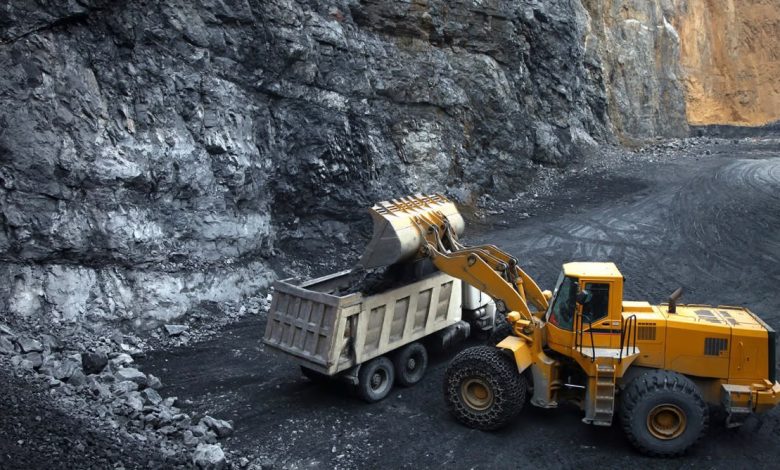
Graphite has emerged as one of Tanzania’s strategically important minerals because of its role in electric-vehicle batteries, energy-storage systems and other technologies associated with the global transition towards cleaner energy.
As demand for critical minerals increases internationally, Tanzania is seeking to position itself as an important supplier of raw materials while also pursuing greater domestic value addition. The Ministry of Minerals has said the country wants to move beyond exporting raw materials and develop processing and manufacturing opportunities within Tanzania.
The opportunity is substantial. The 2025 Tanzania Extractive Industries Transparency Initiative (TEITI) report cited in the sector discussion estimates Tanzania’s graphite resources at 158.2 million tonnes, mainly located in Lindi, Morogoro and Tanga regions. TEITI continues to publish reporting on transparency and developments within the extractive sector.
In May 2026, Minister for Minerals Anthony Mavunde said Tanzania had 30 companies holding medium and large-scale mining licences for graphite. He said the development could strengthen Tanzania’s position in global graphite production.
The government has also placed increasing emphasis on value addition. In 2025, the Ministry of Minerals said Tanzania was working towards processing critical minerals domestically and using them to support industrialisation, employment and technological development.
But while the economic case for graphite continues to grow, concerns emerging from mining communities show that mineral development has another side.
In Ruangwa District, Lindi Region, the opportunity is already taking shape. Yet a survey by the Lindi Association of NonGovernmental Organisations (LANGO) has highlighted concerns surrounding the valuation of land and crops. Some affected communities have questioned whether compensation reflects the true value of land and the livelihoods that depend on it.
The findings point to a broader issue: Responsible mining cannot begin and end with the payment of compensation.
For communities facing displacement or restrictions on the use of their land, the process itself matters. They need transparent valuation procedures, timely compensation, access to information and meaningful participation throughout the investment process.
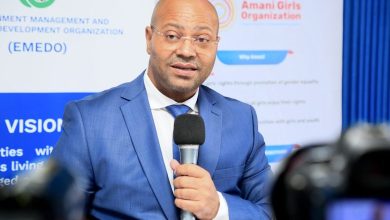
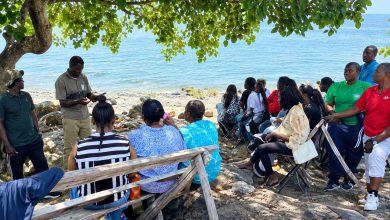
These concerns were highlighted during a recent dialogue organised by HakiRasilimali in Dar es Salaam under the theme, “Community Rights and Natural Resource Governance: Strengthening Access to Justice in Tanzania.”
LANGO Executive Director Michael Mwanga stressed the importance of involving women, youth, farmers, pastoralists and people with disabilities in mining decisions. These groups can experience different consequences when land, water sources and other resources supporting livelihoods are affected.
“Decisions made without taking into account the needs of these groups could leave some of them more vulnerable after losing their land, water sources or other areas that are vital to their livelihoods,” he said.
The challenge is also illustrated by developments in Epanko, Mahenge, Morogoro, where residents have experienced prolonged valuation processes linked to a proposed mining investment.
Citizen representative Manfred Mkopa said Epanko residents had undergone three valuation exercises since 2014, with the latest conducted in June 2023. The prolonged process has raised concerns about uncertainty for residents whose land may eventually be acquired.
For people uncertain about the future of their land, prolonged valuation can create costs even before any physical relocation takes place.
Residents may hesitate to build houses, establish businesses or invest in farms when they do not know whether their land will eventually be acquired.
The uncertainty can extend beyond individual households. Schools, teachers’ houses and other community infrastructure can also be affected when development decisions remain unresolved for extended periods.
Principal Investigation Officer and Focal Person at the Commission for Human Rights and Good Governance (CHRAGG), Jovina Muchunguzi, has argued that prolonged valuation processes should also be examined from a human-rights perspective.
“If valuation takes a long time and affects the continuation of community development activities, we have to look at it,” she said.
For residents subject to restrictions, the issue is straightforward: They need to know how long those restrictions will remain and when compensation will be paid.
“When you prohibit a citizen from continuing with social development activities, the citizen asks: How long will I be prevented from developing my area? In other words, when will my compensation come?” she said.
The concern is particularly relevant as Tanzania moves to develop more large-scale strategic-mineral projects. In October 2025, the Ministry of Minerals said construction had begun on the Mahenge graphite project in Morogoro, describing it as a strategic investment expected to contribute to jobs, economic activity and government revenues.
Such investments demonstrate the potential economic benefits of graphite, but they also underline why systems for valuation, compensation and community participation need to function effectively alongside investment promotion.
For CHRAGG, mining investment should not automatically bring essential community development to a standstill while residents await completion of investment processes.
ALSO READ: Dar seeks greater investment benefits
Muchunguzi has called for stronger coordination among institutions responsible for mining licences, land administration, valuation, compensation and social services. Clear systems are needed to define responsibilities at every stage and protect the rights and interests of affected communities.
She has also emphasised the importance of involving local authorities and people who understand affected communities in valuation and compensation processes.
A professional valuer may determine the value of affected assets, but local knowledge can help identify legitimate interests in land and clarify who should receive compensation. This distinction is important because valuation and implementation of compensation are not necessarily the responsibility of the same institution or person.
Beyond valuation, CHRAGG has called for greater scrutiny of investors’ financial and technical capacity before licences are issued. Ensuring that investors have the resources and expertise required to implement projects can help reduce prolonged uncertainty for communities and other stakeholders.
Communities must be part of the process
Muchunguzi says meaningful participation should begin at grassroots level through village government structures and continue throughout the investment process.
Residents should have opportunities to understand proposed projects, provide information, raise concerns and participate in finding solutions.
This approach is particularly important as Tanzania seeks to expand its role in global critical-mineral supply chains.
The country’s graphite ambitions are increasingly tied to broader plans for industrialisation, domestic value addition and participation in clean-energy supply chains. The challenge, therefore, is not necessarily choosing between mining investment and community interests. It is ensuring that the two develop together.
If Tanzania is to translate its graphite resources into lasting industrial development, communities hosting mining projects will remain central to that equation.
Production figures, investment commitments and government revenues can demonstrate the scale of the mineral opportunity. But the quality of valuation, compensation, consultation and participation will help determine whether that opportunity is experienced as development by the people living closest to the resource.
For Tanzania’s critical-minerals ambitions to deliver durable benefits, community rights and investment objectives will need to move forward together, with transparency, timely decisions and meaningful participation at every stage.