ASPA pushes for appropriate measures to maintain the donkey population
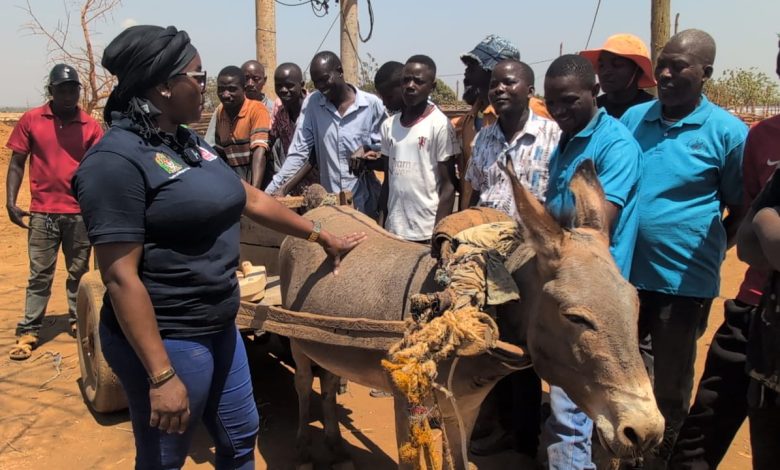
GEITA: THE Arusha Society for the Protection of Animals (ASPA) has urged communities to take appropriate measures to allow the donkey to achieve sufficient opportunity to reproduce rather than working to maintain their population.
ASPA Animal Welfare Education Officer, Ms Diana Msemo, made the remarks recently during special training for donkey owners and users in Magenge and Lwamgasa wards in Geita District.
She said the initiative is part of ongoing efforts by ASPA, in collaboration with Brooke East Africa, to build community capacity on better ways of improving the welfare and livelihoods of donkeys.
Ms Diana said overworking of donkeys sometimes affects their natural behaviour, making it difficult for them to mate, conceive and reproduce.
She said the challenge had hindered the growth of the donkey population, resulting in a decline in their numbers leading to the threat of the donkey’s extinction in Tanzania.
She said research conducted by the Tanzania Livestock Research Institute (TARIRI) had shown that donkeys are animals with a naturally difficult reproductive process and that they are unlikely to reproduce successfully if they are not properly cared for.
“Donkeys are animals whose reproduction is naturally difficult, but this difficulty is further compounded by the way these animals are used for work,” Ms Diana said.
Ms Diana urged donkey owners and users to observe the five freedoms of animal welfare, including allowing the animals to live and perform their natural behaviours, a practice which has become increasingly difficult.
“There is a right to freedom from pain, disease and injury, but donkeys are constantly in pain, and in most areas there are no designated shelters to protect them from the sun and heavy rains” she said.
ALSO READ: 2000 donkeys stolen from Tanzania are smuggled into Kenya annually
The Donkey Animal Welfare Project Manager, Mr George Sebastian, said education on the health and rights of working animals, particularly donkeys, is a key pillar in safeguarding the survival and reproduction of the donkey population.
The Agriculture and Livestock Officer, from the non-governmental organisation Eco-East Africa, Mr Kheri Charles said communities are fully involved in efforts to protect the lives of indigenous plants and animals.