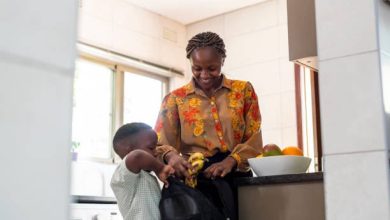
Let them hug us, let them talk
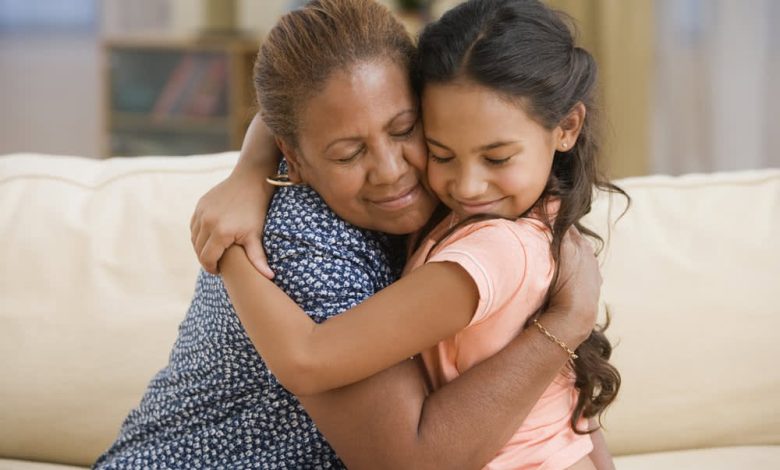
DAR ES SALAAM: LATE one Sunday evening, we welcomed a guest we always enjoy having in our home.
Unfortunately, I was on duty at the office that day, so before leaving I made sure everything was in order for her arrival.
By the time I returned home at around 9:00 pm, our guest was still there. The moment I knocked on the door, my two children recognised it was me.
They rushed to open it and before I could properly greet our guest, I was already surrounded by little arms, hugs and excited voices telling me about their day.
They wanted to show me what they had done, tell me what they had eaten and simply enjoy the comfort of having me back home.
Our guest smiled as she watched the scene unfold. She is a mother too, so she understood exactly what was happening.
Instead of feeling embarrassed that I had barely settled into my seat before my children claimed me, I found myself quietly appreciating that they felt so comfortable expressing their affection.
That moment stayed with me long after the evening ended because it reminded me how different our childhoods were. Many millennials will understand what I mean.
Growing up, hugging our parents was not something we did freely. When visitors came to our house, we would greet them politely while standing at a distance, our hands neatly folded in front of us.
Once greetings were over, our place was usually in the kitchen, helping prepare food while the adults continued their conversations.
When the meal was ready, we rarely sat at the same table with the guests. We would eat separately, and after finishing, we were expected to return to our rooms until the visitors left.
Only then would we come back to help tidy the house before going to bed. I do not say this to suggest our parents were cruel. They raised us with the values they believed were right.
They taught us discipline, respect for elders and responsibility, and those lessons have helped shape many of us into the adults we are today. But if I am honest, there was also something else woven into that upbringing. There was fear.
A close friend and I often find ourselves talking about our childhoods, and one thing always comes up.
We laugh about some memories now, but we both admit we were terrified of our mothers. We could not imagine telling them everything happening in our lives.
Whether it was something good that excited us or something painful that troubled us, we often kept it to ourselves. Whenever we have those conversations, we make the same promise to each other.
We say we do not want our children to grow up carrying that same fear. We want them to respect us, but we also want them to trust us. There is a difference. Today, many parents from our generation are raising children differently.
Our children hug us without hesitation. They kiss our cheeks, ask endless questions and expect honest answers. Some people see that and worry that children are becoming too familiar with their parents, but I believe affection and discipline do not have to compete with each other.
A child who feels emotionally safe is more likely to tell you about the classmate who bullied them, the teacher who made them uncomfortable, the stranger who crossed a boundary or the mistake they made before it becomes a bigger problem. Those conversations can only happen when children believe they will be heard before they are judged.
Too many adults still carry stories they never told because they feared punishment more than they trusted protection.
We cannot rewrite the childhood we had, but we can help shape the childhood our children will remember.
Our children can still learn to say please and thank you. They can still respect elders, follow rules and understand responsibility.
They can learn all those values while also knowing that home is the safest place to bring both their joys and their fears.
Perhaps that is the greatest gift we can give this generation—not a perfect childhood, but the confidence to come home, wrap their arms around us and say, “Mum, I need to tell you something.” Because sometimes, one conversation can change a child’s life.