ECSA-HC calls on nations to increase investment in healthcare to build stronger health systems
ARUSHA: AFRICAN nations have been urged to significantly increase investment in primary healthcare, health workers, technology and sustainable financing to build stronger health systems capable of delivering quality and equitable services to all citizens.
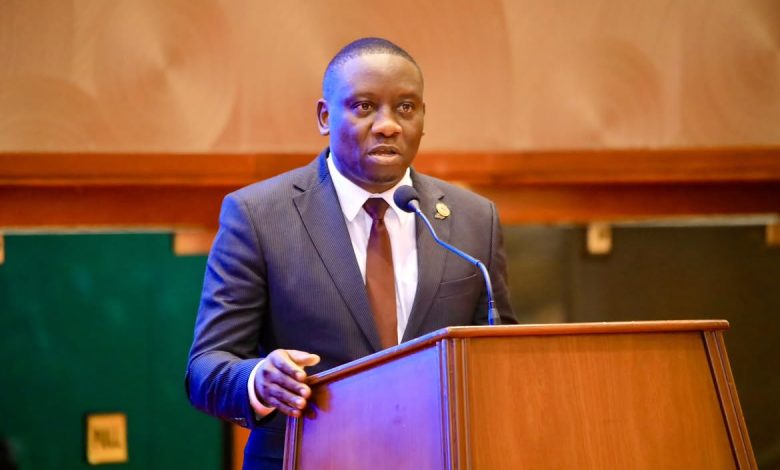
Director General of the East, Central and Southern Africa Health Community (ECSA-HC), Dr Ntuli Kapologwe made the call during the Second International Conference on Primary Health Care in Arusha today,September 9, 2026, stressing that current global challenges required countries to rethink how they build resilient and self-reliant health systems.
Dr Ntuli said that stronger primary healthcare systems are critical to achieving universal health coverage and strengthening global health security.
“The challenges facing the world today require countries to rethink how to strengthen primary healthcare, including building institutional capacity, human resources, financing systems and the use of technology,” Dr Kapologwe said.
Elaborating, he said that self-reliance should not be interpreted as isolation, but rather as strengthening national capacities and health systems to effectively respond to emerging challenges and ensure citizens receive appropriate services.
He further highlighted Tanzania’s longstanding experience in primary healthcare, noting that the country began implementing the approach in 1967 as part of the Arusha Declaration, years before the 1978 Alma-Ata Declaration placed primary healthcare at the centre of the global pursuit of “Health for All.”
ALSO READ: Kipumbwi Ward residents reap gains from AFDP’s agriculture, fisheries projects
He said the experience demonstrated the importance of sustained investment in primary healthcare as the foundation for equitable access to health services.
Moreover, he also underscored the importance of regional and international cooperation, particularly partnerships with the World Health Organisation (WHO) and African regional health institutions.
“Such cooperation enables countries to share experiences, learn from one another and strengthen their health systems,” he said while citing Tanzania, Kenya and Rwanda as examples of countries that can benefit from regional collaboration.
Dr Kapologwe further urged governments, development partners and other stakeholders to increase investment in primary healthcare, saying the move will be central to achieving universal health coverage, strengthening global health security and advancing the health agenda through international diplomacy and cooperation.