BRICS expansion draws interest from Over 30 nations amid shifting global dynamics
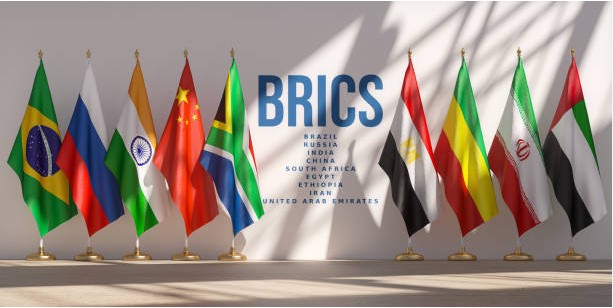
BRAZIL: More than 30 countries are said to have applied for full membership of BRICS, signalling the growing significance of the strategic bloc in international relations.
The decision of whether or not to expand the existing 11-member bloc will be taken at the next BRICS heads of state summit, also known as the 18th BRICS Summit. It will be held in the Indian capital New Delhi under the chairmanship of President Narendra Modi. India is the current Chair of BRICS, having assumed the 2026 mantle from Brazil.
In August 2023, when the BRICS summit was held in South Africa, there were more than 20 countries that sought to join BRICS. The increasing interest in BRICS is not coincidental. It is intentional in every respect.
The rush to BRICS is necessitated by the rapid reconfiguration of the international order, with major implications. New alliances are carefully being formed. The voice of the previously inaudible members in the global affairs architecture is becoming brazenly louder. South-South relations continue to take new meaning, enhancing inclusive growth and cooperation. The Global South, also known as the Majority World, is undergoing a rejuvenation that has gradually challenged the dominance of the West in media representation, agenda-setting, and control of the narrative.
At the heart of these changes of “great significance” — as international relations scholars describe it — lies BRICS as a catalyst for change.
Social scientists contend that change is two-fold: good change or bad change. Put simply, the resurgence of BRICS as a force to reckon with is akin to the old saying that “one man’s meat is another man’s poison.”
For instance, the US President has consistently threatened to impose tariffs on any BRICS country that participates in the so-called “de-dollarisation” — a development that seeks to end Global South dependence on the US-led SWIFT payment system, or use of the dollar as the currency of trade in transactions that have nothing to do with Washington. Such a move will of course adversely affect the ailing US economy. Washington’s continued entanglement in endless wars is taking a toll on the population.
ALSO READ: ‘You’re not alone in the darkness’: Gambia president urges calm after violent blackout protests
America’s war of choice against Iran has lasted a lot longer than the Trump administration had anticipated. The White House had thought Iran would be just like Venezuela — a get in and get out military exercise with swift precision. The grave miscalculation has come back to bite President Trump and his GOP base. In November, the midterms will be held amid a rising tide of disdain against the Republican administration and President Trump’s plummeting approval rating. Like Shakespeare’s Julius Caesar, Trump must “beware the Ides of March.”
Through all these mammoth political challenges, which are aggravated by Washington’s unilateralism, BRICS is seen as an alternative magnetic force for “good change” — change that sees so-called emerging economies bound together by the ethos of unity in purpose.