Rapid diagnostics bring innovation closer to Tanzanian patients
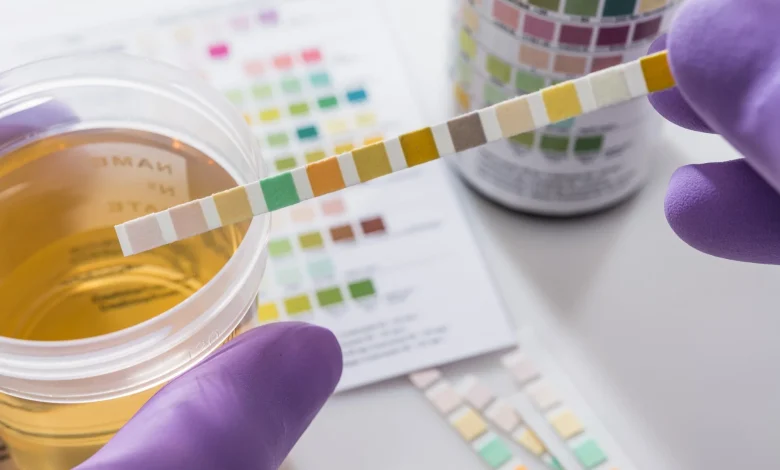
DAR ES SALAAM: A SMALL test strip, a few drops of urine and a colour chart may not immediately look like a major technological breakthrough. Yet, for a patient trying to understand what is causing uncomfortable symptoms, that simple combination can represent an important shift in the way health information is accessed.
Instead of moving directly from symptoms to buying medicines, rapid diagnostic technology is creating an opportunity for people to first obtain preliminary information and then seek appropriate medical advice.
This is the idea behind CheckFor, a range of rapid diagnostic products manufactured by Canadian Biotech Limited-Tanzania, as the company seeks to bring testing closer to patients while strengthening local capacity to produce health technologies. The innovation is built around simplicity.
A test that can be used without sophisticated laboratory equipment can potentially make preliminary screening more accessible, particularly in communities where patients may face challenges reaching facilities with advanced diagnostic services.
Among the products attracting attention is CheckFor UTI, which is designed to screen for indicators associated with urinary tract infections. Small survey interview done during the 27th MedExpo Tanzania 2026 in Dar es Salaam recently, residents show different awareness about the innovation and general behaviour on testing UTI and treating it.
For Dar es Salaam resident Anna Beatus, the value of the technology is not simply in the test itself, but in what it can change about people’s decisions when they experience symptoms.
“I know using CheckFor UTI will help people avoid rushing to buy medicines. Instead, they can go to hospital for further diagnosis. Those who are found not to have an infection will not buy medicines unnecessarily; they will seek medical advice to find out what is actually causing their symptoms,” she says.
Her observation points to a wider issue in healthcare, the importance of knowing what is happening in the body before deciding what treatment to take. UTI symptoms, for example, can include pain or burning during urination, frequent urination and other discomforts. Such symptoms may lead some people to assume that they have an infection and seek medicines without first obtaining a proper assessment.
The innovation seeks to introduce a testing step into that process. The CheckFor UTI test uses a urine sample and checks indicators including leukocytes and nitrites. After the test strip is used, the user observes changes in colour and compares them with the colour chart provided with the kit. The process is designed to be simple and produce information within minutes.
But the Director of Business Development at Canadian Biotech Tanzania, Dr Bartazary John, stresses that the technology should be understood for what it is, a screening tool.
“The test checks for indicators such as leukocytes and nitrites. After using the test strip, the user observes the colour changes and compares them with the colour chart provided with the kit. However, this is only a screening tool and should not replace professional diagnosis. People with persistent, severe or worsening symptoms should seek medical attention,” Dr John says.
Dr John said that the rapid testing can make preliminary screening easier, but it does not remove the role of healthcare professionals. He said a positive or concerning result may require further clinical assessment, while people whose symptoms continue despite a negative screening result may also need to visit a health facility to determine the underlying cause. The innovation, therefore, is not simply about replacing laboratory diagnosis with a strip. It is about creating another point at which people can obtain health information.
This approach could be particularly relevant in Tanzania, where access to healthcare services varies between communities and where the availability of laboratory equipment and trained personnel can differ from one facility to another.
A rapid test that is portable and simple to use can provide health workers with an additional screening option during outreach services, community programmes and other settings where sophisticated laboratory infrastructure may not be immediately available. The same principle extends to other diseases. Some of the company’s rapid diagnostic portfolio includes tests for malaria, HIV, hepatitis B and hepatitis C, alongside a combination test capable of screening for HIV, hepatitis B and hepatitis C.
The combination test could be particularly relevant in settings where several infections need to be screened at the same time. Dr John says the test can also be useful during antenatal care, where pregnant women undergo screening for infections as part of efforts to protect both mothers and babies.
SLDO RSD: Young women changing face of male dominated careers
According to the company, the combination test can provide results in about 10 minutes and does not require a centrifuge or sophisticated laboratory equipment. Such characteristics are important because speed and simplicity can influence whether diagnostic services are used consistently.
A patient may be more willing to undergo a test when the process is straightforward and does not require a long wait for results. For health workers, meanwhile, rapid testing can provide preliminary information that may help guide the next step, while still leaving clinical diagnosis and treatment decisions to qualified professionals. For John Peter, another Dar es Salaam resident who encountered the technology, the concept itself was unfamiliar.
“I did not know that such technology existed to help people test UTI at home,” he says.
His reaction highlights another challenge facing health innovation, awareness. Developing a product is only one part of the process. People must also know that the technology exists, understand its purpose and know how to use it correctly. That is why communication becomes an important part of the innovation. The company has incorporated Kiswahili instructions and pictorial guidance into its products to make them easier for Tanzanian users to understand.
According to Dr John, Canadian technology, raw materials and quality-assurance expertise are being combined with manufacturing capacity in Tanzania. This means the innovation is not limited to bringing an imported diagnostic product into the Tanzanian market. It also involves developing the ability to manufacture health-related products locally.
That shift could have wider implications for the country’s health system and industrial development. Local manufacturing can support technical skills, create employment opportunities and strengthen domestic capacity to produce products needed by the healthcare sector.
It can also contribute to a more responsive health industry, particularly when demand for diagnostic products changes because of disease outbreaks, emerging health threats or changing patterns of illness. For Tanzania, the need for accessible diagnostics is also linked to the growing challenge of antimicrobial resistance.
The World Health Organisation has identified antimicrobial resistance as a major global health threat, with misuse and overuse of antimicrobial medicines among the factors contributing to the problem. Inappropriate medicine use can occur when people treat themselves without knowing the cause of their symptoms. This is where rapid diagnostic innovation becomes relevant.
Testing cannot by itself solve antimicrobial resistance, but better access to information can help reduce situations in which people make treatment decisions based solely on symptoms or assumptions. For an innovation to have a meaningful public health impact, it must be accessible to the people who need it, particularly those who may struggle to access expensive diagnostic services.
The innovation also raises the possibility of bringing testing closer to primary healthcare and community settings. Instead of diagnostics being viewed only as something that happens inside a large hospital laboratory, rapid tests can introduce screening at an earlier point in the healthcare journey.
For a community health worker, this could mean carrying a portable test during an outreach exercise. For a health facility, it could provide an additional screening option. For an individual, it could mean obtaining preliminary information before deciding what to do next. But the ultimate measure of the technology will not be the number of kits manufactured. Its real value will be determined by whether people use testing to make better health decisions.
The innovation by Canadian Biotech Limited-Tanzania therefore represents more than a small strip that changes colour. It reflects an attempt to place health information closer to the patient, combine technology with local manufacturing and encourage a culture in which testing becomes part of the decision-making process.
At a time when Tanzania continues to confront infectious diseases, antimicrobial resistance and gaps in access to healthcare services, such innovations could help bridge the distance between experiencing symptoms and receiving appropriate care.