Tanzania’s garden in the Sky: Discovering the beauty of Kitulo
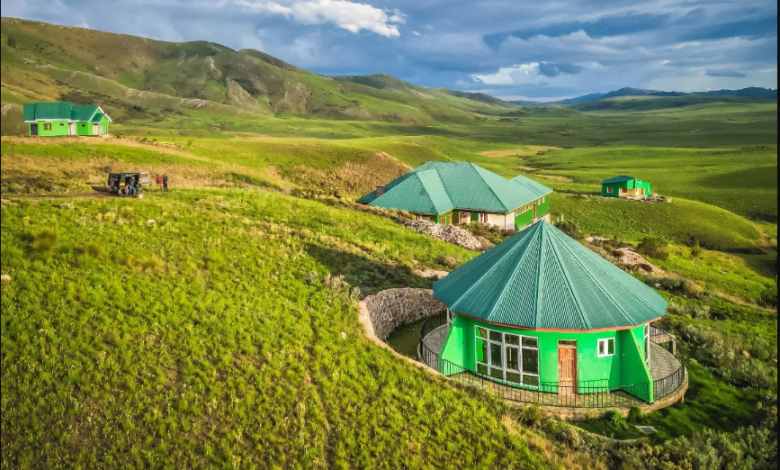
FAR from the busy streets and crowded tourist routes, Tanzania hides a spectacular highland destination where nature paints the landscape with flowers. This is Kitulo National Park, a unique destination in the southern highlands of Tanzania that offers travellers an experience unlike the traditional wildlife safari.
Often described as Tanzania’s “Garden in the Sky,” Kitulo is particularly famous for its seasonal wildflowers, which transform the open grasslands into a colourful natural carpet. The cool mountain climate, rolling hills and expansive scenery create an atmosphere that is both peaceful and breathtaking.
For visitors who enjoy hiking, photography, birdwatching and exploring less crowded destinations, Kitulo offers an opportunity to experience a different side of Tanzania. Here, the beauty is not only found in wildlife, but also in the plants, flowers, mountains and quietness of the landscape. A visit to Kitulo is therefore more than a journey to another national park. It is an invitation to slow down, explore and appreciate one of Tanzania’s remarkable natural treasures.
A different kind of Safari
Many travellers associate Tanzania with the Big Five, endless savannahs and famous destinations such as the Serengeti, Ngorongoro and Tarangire. Kitulo offers a different kind of adventure. Instead of searching for lions or elephants, visitors come to admire the beauty of the highlands, walk through open grasslands and discover a landscape shaped by flowers, mist and mountain air.
Located in the Njombe and Mbeya regions, Kitulo National Park covers approximately 412 square kilometres. The park lies at an altitude of more than 2,600 metres above sea level, making it one of the highest national parks in Tanzania. Its elevation gives the area a cool climate, especially compared with the warmer lowland parks that attract most safari visitors. The journey to Kitulo is part of the experience.
Travellers pass through the southern highlands, where green hills, farms, forests and rural communities create a changing landscape. The road may be challenging in some areas, particularly during the rainy season, but the scenery makes the journey worthwhile.
A carpet of wildflowers
Kitulo’s greatest attraction is its wildflowers. During the flowering season, the grasslands come alive with different colours, including yellow, purple, red, pink and white. The flowers spread across the hills and valleys, creating a natural carpet that changes with the seasons. The park is home to many plant species, including several that are rare or found only in the southern highlands.
This makes Kitulo important not only as a tourist destination, but also as a centre of botanical interest and conservation. For photographers, the flowering season provides endless opportunities. A wide shot of the grasslands can show the scale and beauty of the park, while close-up images can capture the delicate details of individual flowers.
Early morning and late afternoon are especially attractive times for photography, when soft light falls across the hills and mist often hangs over the valleys. The flowers also attract insects and birds, adding movement and life to the landscape. Visitors who take time to observe carefully may notice butterflies moving between plants, bees collecting nectar and birds feeding in the grasslands.
A paradise for hikers
Kitulo is an ideal destination for travellers who enjoy walking. The open landscape allows visitors to explore the park at a slower pace, taking in the scenery without the noise and crowds often associated with popular tourist sites. Hiking through Kitulo can be both relaxing and physically demanding.
The high altitude means that visitors may need time to adjust, especially if they are not used to walking in mountainous areas. The weather can also change quickly, with sunshine, wind, mist and rain appearing within a short period. Good preparation is therefore important. Travellers should carry warm clothing, waterproof jackets, comfortable walking shoes, drinking water, snacks, sunscreen and insect repellent. It is also advisable to visit with a guide or follow the instructions of park authorities, particularly when exploring unfamiliar trails.
ALSO READ: Evolution of the beautiful Kudu in Africa
The reward for the effort is a sense of space and freedom. From higher points, visitors can enjoy wide views of the surrounding mountains and valleys. On clear days, the landscape appears to stretch endlessly, offering a peaceful contrast to busy urban life.
More than flowers
Although flowers are Kitulo’s main attraction, the park also supports a variety of wildlife. Visitors may see eland, zebra, reedbuck and other animals moving through the grasslands. The park is also known for its birdlife, including species adapted to the highland environment. Birdwatchers can spend hours observing birds in the open grasslands and nearby forests.
The quiet surroundings make it easier to hear bird calls and notice species that might be missed in busier environments. Kitulo is also connected to the wider ecosystem of the southern highlands. Its forests, wetlands and grasslands play an important role in protecting water sources and supporting biodiversity. The park’s natural environment is valuable not only for tourism, but also for local communities and future generations.
The importance of conservation
The beauty of Kitulo is fragile. Wildflowers, wetlands and highland grasslands can be affected by climate change, uncontrolled fires, illegal activities and human pressure. Protecting the park requires cooperation between conservation authorities, local communities, tourism operators and visitors. Travellers can support conservation by following park rules, avoiding littering, staying on designated routes and not picking flowers.
They can also contribute to local economies by using local guides, buying locally produced goods and choosing accommodation and services that respect the environment. Responsible tourism ensures that Kitulo remains beautiful and accessible for many years to come. The park should not be treated simply as a place for taking photographs, but as a living ecosystem that deserves care and respect.
Planning a visit
The best time to visit Kitulo depends on the experience a traveller wants. Those interested in seeing the wildflowers should plan their trip during the flowering season, although the exact timing may vary depending on rainfall and weather conditions. Travellers should confirm current conditions with park authorities or a reliable tour operator before departure. Kitulo is suitable for visitors looking for nature, hiking, photography, birdwatching and quiet exploration.
It may not offer the same type of safari experience as the Serengeti, but that is precisely what makes it special. The park is also a good destination for travellers who want to discover a less crowded side of Tanzania. Instead of following the most popular tourist routes, visitors can explore a place where the landscape itself is the main attraction.
A journey worth taking
A visit to Kitulo National Park is a reminder that Tanzania’s natural beauty extends far beyond its famous wildlife destinations. In this highland park, flowers replace the usual safari drama, while mountains, mist and open grasslands create a different kind of adventure. Kitulo invites visitors to slow down and pay attention to the colours of the flowers, the sound of birds, the movement of clouds and the cool mountain air. It is a destination for people who appreciate quiet places, natural beauty and meaningful travel experiences.