Bunge pushes PPPs to improve urban cleanliness
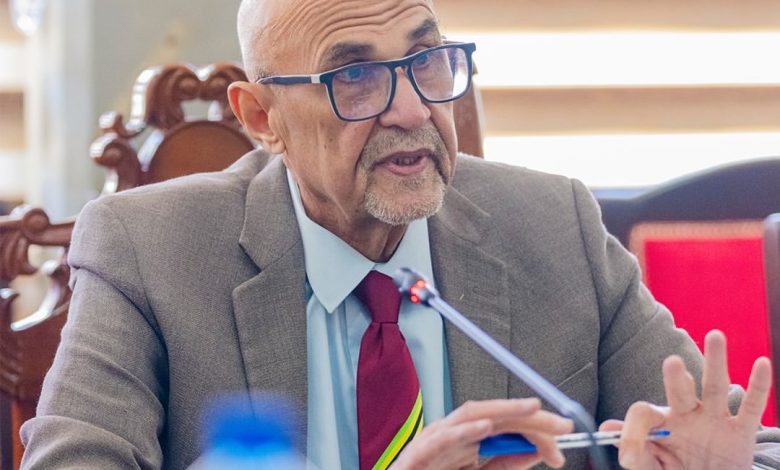
DODOMA: SPEAKER of the National Assembly, Mr Mussa Zungu, has urged officials under the Prime Minister’s Office— Regional Administration and Local Government (PMORALG) to change their mindset and stop frustrating Public-Private Partnership (PPP) initiatives aimed at improving waste management in Dar es Salaam and other cities.
Mr Zungu issued the call in Dodoma yesterday, a day after President Samia Suluhu Hassan directed local authorities to review waste collection contracts in major cities and ensure they are awarded to firms with adequate equipment and capacity.
Speaking on Wednesday at Tunguu State House in Zanzibar while addressing newly sworn-in Regional Commissioners (RCs) and Regional Administrative Secretaries (RASs), the President warned that poor waste management could undermine the country’s economic and tourism ambitions.
She called on authorities to embrace private sector participation to enhance urban cleanliness. Concluding the Prime Minister’s question session in the National Assembly yesterday, Mr Zungu said delays and discouraging responses from local authorities were hindering PPP projects.
“Proposals for PPP projects in Dar es Salaam and other cities face delays or discouraging feedback from local government authorities. As a result, the city remains dirty,” he said.
He noted that councils are already public entities, questioning the logic of creating additional publicly funded waste collection systems through loans while private investors are ready to use their own resources.
The Speaker reminded officials that Parliament had endorsed a framework under Vision 2050 in which 70 per cent of investment is expected to come from the private sector, urging them to align with that direction.
“If you don’t change, you will be forced to change or be replaced,” he cautioned.
Meanwhile, Prime Minister Dr Mwigulu Nchemba said the government is exploring additional revenue sources to expand Universal Health Insurance (UHI) coverage.
He said over 48bn/- has been allocated to support access to Universal Health Coverage for key groups.
Dr Nchemba made the remarks while responding to a question by Nassriya Nassir Ali (Special Seats-CCM) on strategies to accelerate access to health insurance.
ALSO READ: PPPs need strong, resilient capital markets
He said implementation of UHI began in January this year, in line with President Samia Suluhu Hassan’s campaign pledge. The Prime Minister clarified that health insurance should not be confused with the Tanzania Social Action Fund (TASAF), stressing that it is not merely a welfare programme.
“Health insurance is designed for all citizens to contribute and support one another in accessing medical care,” he said.
He emphasised that wider enrolment is key to the scheme’s sustainability, warning that treating it as a fully governmentfunded initiative could undermine its success.
Dr Nchemba urged MPs and the public to mobilise more citizens to join the scheme, noting that increased participation would enable the government to identify and support vulnerable households.
He added that similar schemes elsewhere had failed when dependent solely on government funding, underscoring the need for collective participation to build an inclusive system that leaves no one behind, including people with disabilities.