Private sector, innovation key to Vision 2050
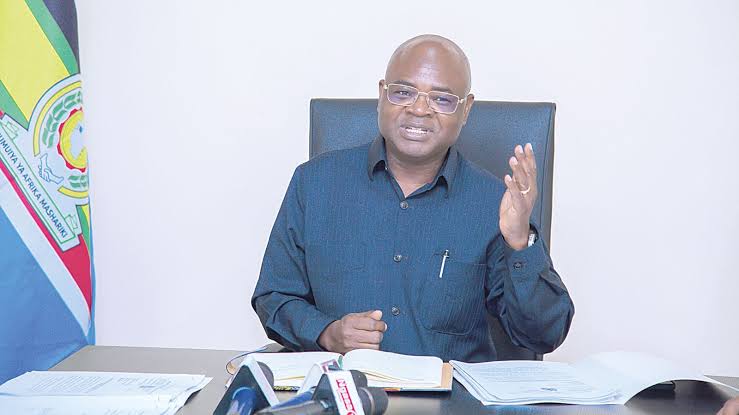
TANZANIA: THE government has called for a shift in Tanzania’s development model to place the private sector, innovation and public participation at the centre of efforts to realise Development Vision 2050.
Minister of State in the President’s Office (Planning and Investment), Prof Kitila Mkumbo, said economic transformation can no longer be driven by the state alone, stressing the need for stronger public-private collaboration to unlock investment, create jobs and spur innovation.
Speaking at the inauguration of an Innovation Week on Monday, Prof Mkumbo said the country must move away from a government dominant approach and create an enabling environment for businesses to contribute effectively to growth.
“This is fundamentally the main shift the government must make,” he said, noting that private sector development should take a central place in the national agenda.
He said support for businesses should go beyond statements and isolated interventions, and instead be reflected in policies, reforms and effective implementation.
Prof Mkumbo also underscored the importance of engaging the private sector in designing development plans to ensure they respond to the needs of investors, entrepreneurs and citizens.
He further called for a more participatory governance system, urging institutions to embrace open, inclusive and people-centred decision-making.
UNDP Tanzania Resident Representative, Mr Shigeki Komatsubara, said innovation must be embedded at the core of how government and institutions operate.
“Innovation has to be part and parcel of how we do things,” he said, citing planning, budgeting, procurement and decision-making as key areas.
He said Tanzania has strong potential, but more support is needed to provide innovators with financing, mentorship, technology, markets and institutional backing.
UNICEF Representative to Tanzania, Ms Elke Wisch, said the success of Vision 2050 will largely depend on the country’s human capital.
ALSO READ: Ubongo puts early years at heart of Vision 2050 debate
She noted that children and young people must be equipped with proper nutrition, healthcare, education, protection and skills to drive future economic growth.
“The generation that will deliver Vision 2050 is already growing with us today,” she said. Ms Wisch warned that challenges such as malnutrition, poverty, inadequate healthcare and early pregnancies could limit human potential.
“The most important infrastructure for Vision 2050 is our people, starting with the youngest,” she said. Vodacom Tanzania Director of External Affairs and Regulatory, Ms Zuweina Farah, said although network coverage has expanded, affordability remains a major barrier to access.
“The signal is there, the device is not,” she said, calling for joint efforts to lower the cost of devices and internet services.
She said digital progress should be measured not only by coverage, but by citizens’ ability to access and meaningfully use services.
As the population is projected to exceed 100 million by 2050, stakeholders warned that delays in expanding digital access and strengthening human capital could hinder the country’s ambitions.
The Innovation Week brought together government leaders, innovators, entrepreneurs, investors, researchers, youth, civil society organisations and development partners to explore solutions to development challenges through innovation.