

Govt targets full health insurance coverage by 2029
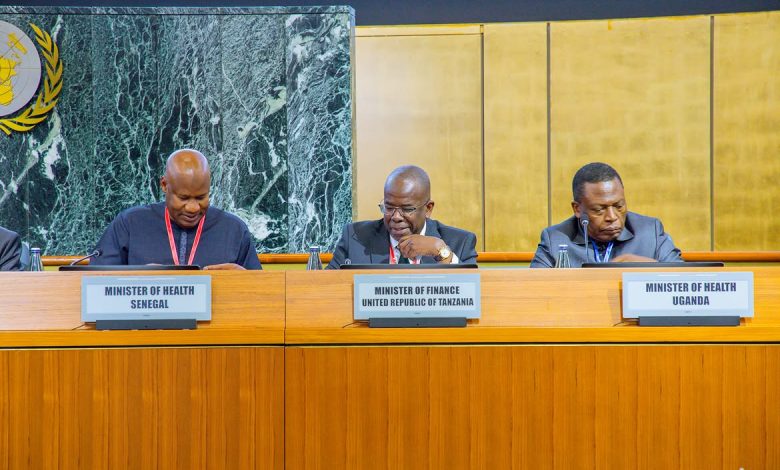
ADDIS ABABA: TANZANIA plans to register all households under universal health insurance within the next two years, as part of efforts to invest in human capital, strengthen social services and drive inclusive economic reforms.
Finance Minister Khamis Mussa Omar said the move is part of broader efforts to secure sustainable health financing amid tightening budgets and a push for greater self-reliance in the sector.
He said the government was working to ensure that all households were enrolled in the scheme by the 2028/29 financial year, with the government covering contributions for poor and vulnerable households.
Amb Omar made the statement here yesterday while participating as a panellist in a ministerial dialogue on “Sustainable Health Financing: Financing Africa’s Health Future in an Era of Fiscal Constraints and Health Sovereignty.”
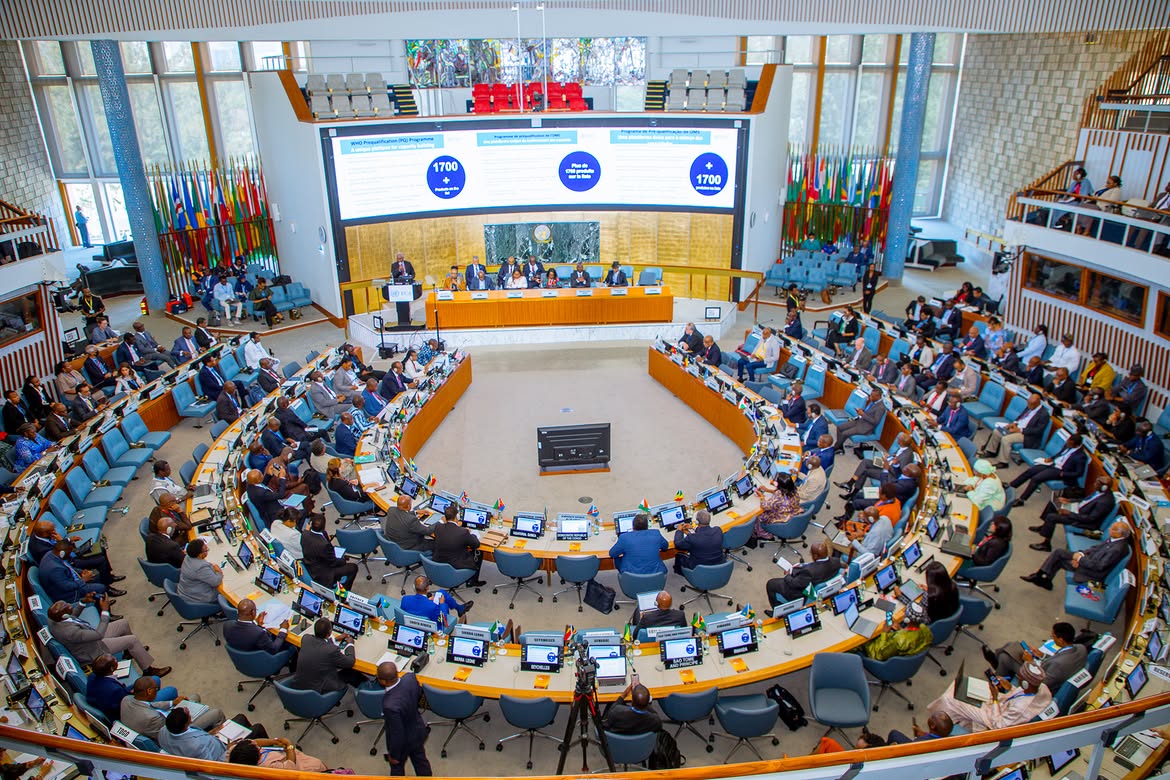
The discussion was held ahead of the 76th Session of the World Health Organisation (WHO) Regional Committee for Africa in Addis Ababa, Ethiopia.
The Minister outlined key strategies to strengthen health financing, including sustained economic growth, improved domestic revenue collection, targeted taxation on harmful products, prudent public expenditure, expanded insurance coverage, increased private sector investment and adoption of innovative financing mechanisms.
He stressed that health financing remains a top national priority. The Minister further said the government is expanding the Health Equity Fund to enhance access to healthcare services for low-income and vulnerable populations.
Deputy Minister for Health, Dr Florence Samizi, said Tanzania has made notable progress in the health sector through increased budget allocations and improved medical infrastructure, reaffirming that health remains central to government priorities.
Dr Samizi stressed that achieving health self-reliance requires the country to build capacity to finance healthcare services and locally produce medicines and essential technologies.
ALSO READ: When illness threatens learning, health insurance gives Namtumbo students chance to stay focused
She called on the private sector to invest in pharmaceutical manufacturing, diagnostics, specialised care, medical technologies and digital health systems.
WHO Regional Director for Africa, Prof Mohamed Janabi, highlighted the importance of health in national development and urged African countries to prioritise investment in pharmaceutical and vaccine production, strengthening primary healthcare systems and implementing universal health coverage to guarantee access for all.
He noted that about 80 per cent of medicines used in Africa are imported, while many citizens spend over 70 per cent of their income on healthcare out-of-pocket.
He called for stronger private sector participation in building local manufacturing capacity and critical health infrastructure.
The discussion brought together Ministers of Health and Finance, development partners and regional leaders to deliberate on financial pressures affecting progress towards universal health coverage, including declining external aid, limited fiscal space and rising debt burdens.
Also present at the meeting were Acting Deputy Permanent Secretary and Commissioner for External Finance in the Ministry of Finance, Rished Bade, along with senior officials from the Ministry of Health.



Really impressed with the customer support team. They answered my questions in minutes. idmpo1881 is definitely a trusted platform.