Tanzania cherishes its long-standing ties with Gates Foundation in maternal, child, adolescent health
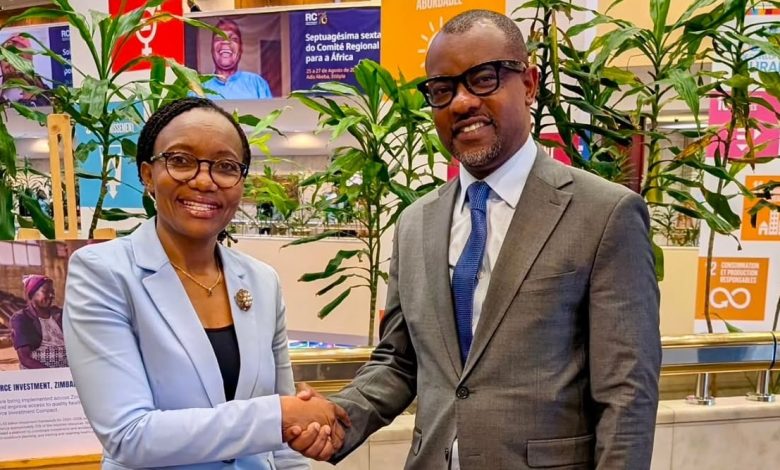
ADDIS ABABA: THE Tanzanian government says it values its long-standing partnership with the Gates Foundation in strengthening health services in the country, particularly maternal, newborn, child and adolescent health.
Permanent Secretary in the Ministry of Health, Dr Grace Magembe, made the remarks on August 26, 2026, during a bilateral meeting between Tanzania and Gates Foundation Africa Regional Director Dr Paulin Basinga on the sidelines of the 76th Session of the WHO Regional Committee for Africa (WHO-AFRO) in Addis Ababa, Ethiopia.
Dr Magembe said the partnership has contributed to strengthening various health programmes in Tanzania, including maternal and newborn health, malaria, nutrition and family planning.
“Tanzania recognises the contribution of the Gates Foundation to strengthening health programmes in the country, including maternal and newborn health, malaria, nutrition and family planning, with the partnership contributing to improved health indicators,” she said.
She said Tanzania also values projects being implemented in collaboration with the Gates Foundation, including THAMINI UHAI, which focuses on maternal and newborn health, nutrition interventions, the Knowledge Translation Hub, the use of artificial intelligence (AI)-enabled ultrasound technology, NEST360 and the Beginnings Fund.
During the meeting, Dr Magembe called on the Gates Foundation to further strengthen its support for the implementation of an African Union initiative aimed at achieving three “zeros” in maternal and child health.
The targets include zero home deliveries, zero preventable maternal and newborn deaths, and zero unvaccinated children.
On nutrition, Dr Magembe requested the foundation’s support in establishing Early Childhood Development (ECD) centres at health facilities and within communities.
She also called for strengthened food fortification programmes and increased community awareness of child nutrition.
In addition, she stressed the importance of expanding access to multiple micronutrient supplements (MMS) and ensuring that their procurement is aligned with the procedures of the Medical Stores Department (MSD).
According to Dr Magembe, these measures would further strengthen nutrition and maternal and child health services in Tanzania.