East Africa’s real estate players to converge in Dar es Salaam

DAR ES SALAAM: TANZANIA’s property industry is set for a new regional platform, bringing together developers, investors, banks, regulators and professional service providers as the country seeks to unlock investment and address persistent housing and land-market challenges.
The inaugural Tanzania Real Estate Expo and Forum (TAREX) will take place from Nov 20–22 at the Superdome in Masaki, Dar es Salaam, featuring a three-day property exhibition and a two-day industry forum.
Developers from Tanzania Mainland, Zanzibar and Kenya are expected to participate, allowing prospective buyers and investors to compare residential and commercial developments while engaging directly with financiers and professional advisers.
Murtaza Ebrahim, TAREX director, said the initiative was intended to bring together a fragmented property ecosystem and create opportunities for investment and collaboration.
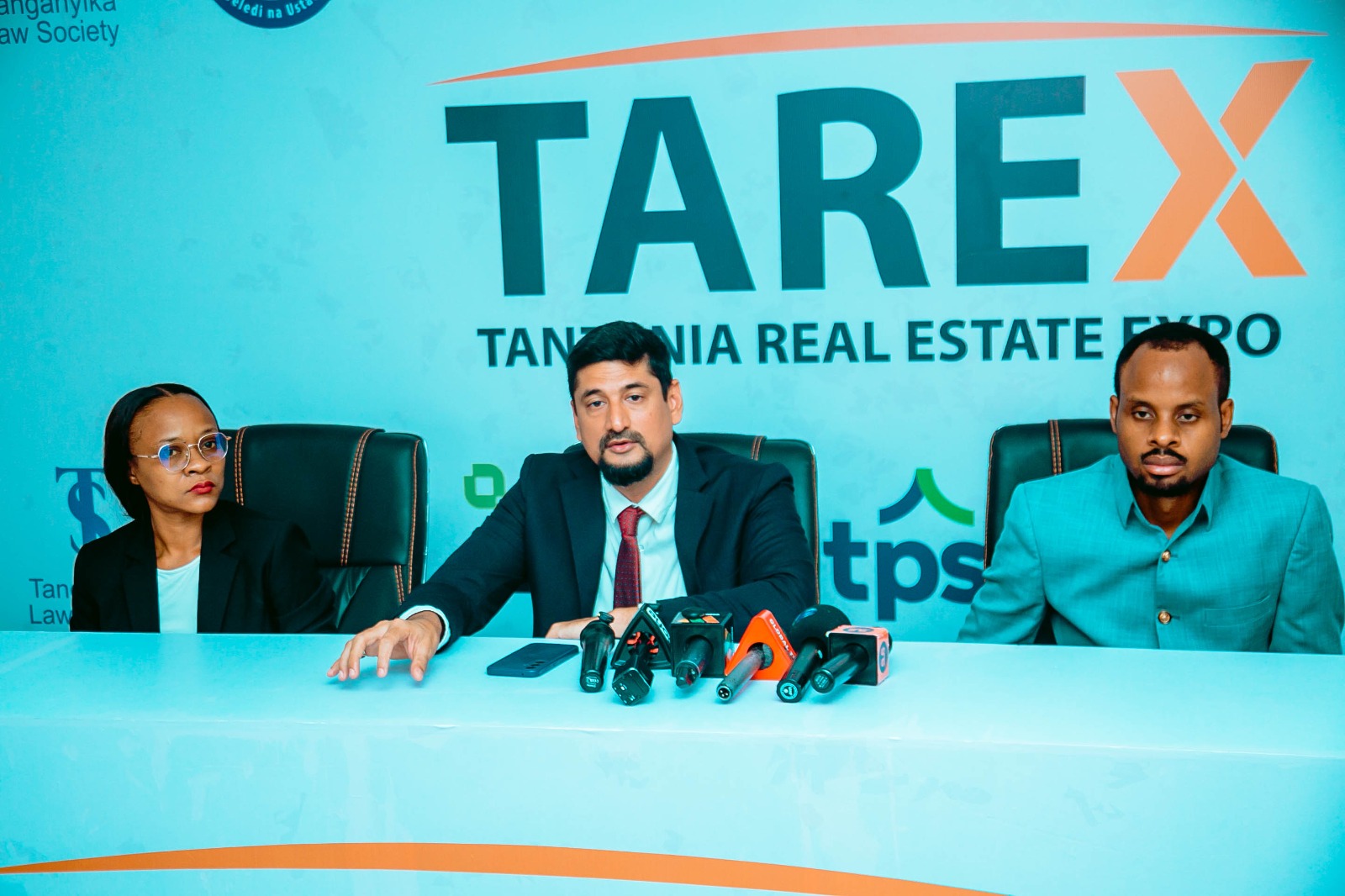
“TAREX is about bringing the real estate sector together. We want developers, investors, financial institutions, professionals and other stakeholders to have a platform where they can meet, showcase what they are doing, discuss the challenges facing the sector and, importantly, identify opportunities,” Ebrahim said.
The event comes as Dar es Salaam grapples with rapid urbanisation and rising demand for housing, commercial property and industrial facilities.
According to Ebrahim, the city faced an estimated shortage of about 3 million housing units in areas around its central business district, while significant opportunities remained in industrial warehousing and Special Economic Zones.
The forum will therefore focus not only on showcasing property but also on some of the structural constraints affecting the sector, including access to finance, land disputes, taxation, regulation, construction, technology and market pricing.
Access to finance is expected to be one of the main issues discussed at TAREX, with commercial banks set to engage developers and prospective buyers.
Mr Ebrahim said participating lenders would use a digital pre-vetting system through the TAREX platform to assess potential borrowers. One proposed shift is allowing the property being purchased to serve as collateral, reducing the need for buyers to provide separate assets as security.
That could widen access to property finance for middle-income households and investors who have regular income but lack substantial alternative collateral.
The initiative also seeks to improve confidence in the property market by screening developers before they participate in the exhibition.
Ebrahim said the verification process was designed to reduce the risk of buyers dealing with fraudulent or unverified property sellers.
“TAREX is not merely about selling exhibition space; it is about building a secure, trusted environment for real estate investment,” he said.
Again, property prices are another issue likely to attract attention at the forum, particularly amid public complaints that some properties in major urban centres are becoming unaffordable.
Deo Masawe, representing the Tanzania Private Sector Foundation (TPSF), said the answer was greater transparency rather than government-imposed maximum prices.
“In a free market, you cannot simply impose a ceiling on prices,” Masawe said.
He said accurate market information would enable buyers and sellers to negotiate based on factors such as location, quality, demand and prevailing market conditions.
Land ownership disputes and property fraud will also form part of the discussions.
Masawe said conflicts often arose either from dishonest sellers or from buyers failing to undertake proper due diligence before purchasing land or property.
Representatives from the Ministry of Lands and the Tanganyika Law Society are expected to guide title searches, ownership verification and other legal procedures.
TPSF also plans to use the forum to push for practical policy changes.
Issues raised during the discussions will be compiled into a policy document for submission to senior government officials, turning the event into a potential channel for private-sector recommendations on regulation, taxation, land administration, financing and other constraints.
Prof. Kitila Mkumbo has been invited to serve as guest of honour, while organisers have requested Dar es Salaam Regional Commissioner Albert Chalamila to officially open the forum.
Beyond Tanzania, speakers and experts from Kenya and Uganda are expected to contribute to discussions on property investment, construction, finance, technology and the future of the East African real estate market.
The executive forum will be limited to 450 participants, while the exhibition will be open to the public.
Mr Ebrahim said participation by developers from Tanzania, Zanzibar and Kenya would allow investors to assess opportunities across markets.
ALSO READ: Investment drive opens new doors for housing, jobs and urban growth in Tanzania
“Someone interested in real estate will be able to come to one place, see different developments and understand the opportunities that are available for investment,” he said.
The organisers aim to establish TAREX as an annual platform linking property investment with finance, regulation, professional services, technology and innovation.