New curriculum equips youths with hands-on skills
TANGA: THE implementation of Tanzania’s 2023 revised education curriculum is delivering strong practical results, with secondary school students increasingly gaining hands-on vocational skills aimed at promoting self-employment and economic independence.
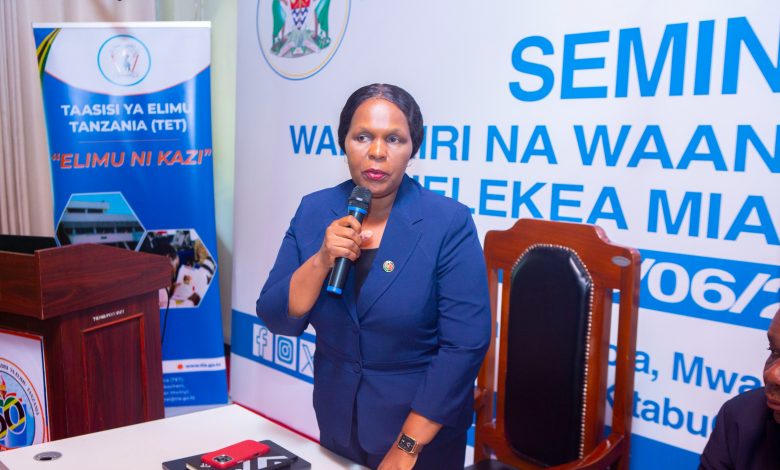
Speaking during a visit to the Tanzania Institute of Education (TIE) pavilion at Usagara Grounds in Tanga Region, during the closing of the 2026 National Education, Skills and Innovation Week, TIE Director General, Dr Aneth Komba, said the improvements focus on equipping students with practical knowledge to navigate modern life, secure employment and tap into emerging opportunities.
Dr Komba said the revised curriculum integrates science and technology advancements to ensure graduates can meet global demands and apply classroom knowledge to solve real-world challenges.
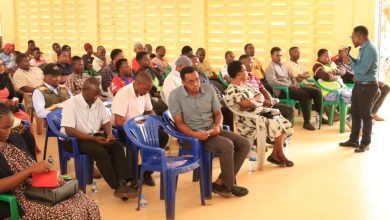
She noted that TIE spent 11 days at the Tanga exhibition educating students, parents and other education stakeholders on their roles in implementing the curriculum, while also raising awareness of digital learning platforms, including the online library, web-based schools and teacher support systems.
“The government, through the Ministry of Education, Science and Technology and TIE, undertook major curriculum reforms in 2023 to produce skilled graduates capable of self-employment, employment and sustaining their livelihoods. We are pleased with the progress as we work to realise President Dr Samia Suluhu Hassan’s vision of empowering youths with practical skills,” said Dr Komba.
Reinforcing these efforts, the Tanzania Education Authority (TEA) said it has made significant investments to support vocational education in secondary schools.
TEA Public Relations Officer, Ms Eliafile Solla, said that since the 2024/2025 financial year, the authority has disbursed over 6.7bn/- to procure modern learning equipment for 35 secondary schools offering vocational programmes.
Ms Solla said TEA facilitated students from Korogwe Girls’ Secondary School to showcase their practical skills at the national exhibition.
The school, which offers five vocational streams, received over 400m/- for specialised training equipment.
She said that before the intervention, students relied heavily on theoretical learning due to limited equipment, but the new investment has enabled full practical training and inspired clearer career ambitions.
“Before receiving these funds, students learned mostly through theory due to a lack of equipment. Following TEA’s support of over 400m/-, students now learn efficiently through practical applications. They are highly motivated and have clear visions for their future careers,” she said.
ALSO READ: Tanzania sees its new curriculum as key to global job market
She added that TEA remains committed to mobilising more resources through the National Education Fund to equip all vocational secondary schools nationwide.
A student from Korogwe Girls’ Secondary School, enrolled in the culinary arts stream, said the practical training has revived her childhood dream of joining the food industry.
She explained that despite earlier challenges with limited tools, the new equipment now enables her to produce commercial items, design product labels using computers and plan entrepreneurial ventures while awaiting national examination results.
However, she noted a persistent social challenge, saying that while many students choose vocational tracks in Form One, some parents later encourage them to switch to general academic streams due to limited awareness of the value of vocational education.
Stakeholders at the event called for continued community sensitisation to ensure parents support their children’s choices in technical and vocational training