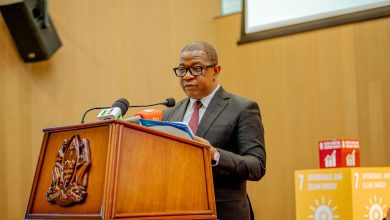
Government moves to integrate forest revenue systems
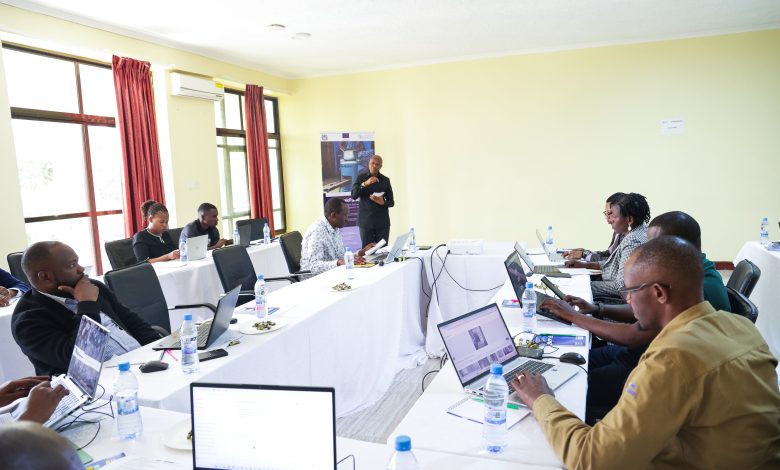
DODOMA: THE government is moving to integrate digital systems used to manage forest harvesting and trade to curb revenue leakages and ensure the Central government, councils and villages receive their rightful share from forest resources.
The move follows concerns that some councils and village governments still rely on manual systems to manage forest products, while the Tanzania Forest Services Agency (TFS) uses the electronic Tanzania Forest Management Information System (TAFFMIS).
Speaking during a two-day Technical Working Group meeting on the Integration of Forest Products Revenue Management Systems in Dodoma, Assistant Director for Forest Development in the Ministry of Natural Resources and Tourism’s Forestry and Beekeeping Division, Mr Seleboni Mushi, said the initiative was in line with the government’s directive for public revenue systems to communicate and support electronic collection.
The meeting follows technical discussions held in Morogoro on July 16, 2026, where stakeholders considered ways to strengthen and harmonise revenue management systems for forest products and related clean cooking value chains. The discussions concluded that the preferred approach was to strengthen, harmonise and integrate existing government systems rather than develop a new stand-alone system.
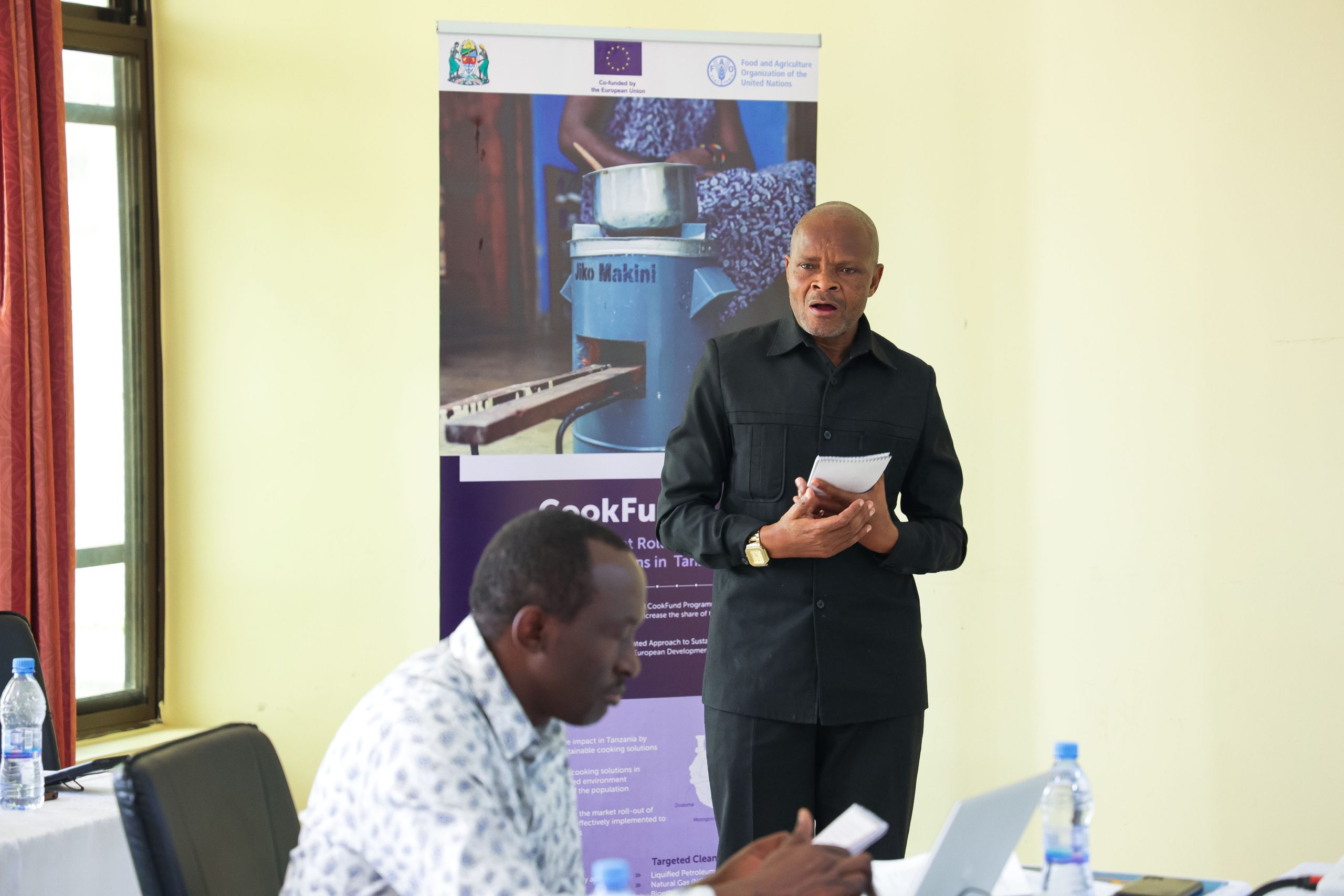
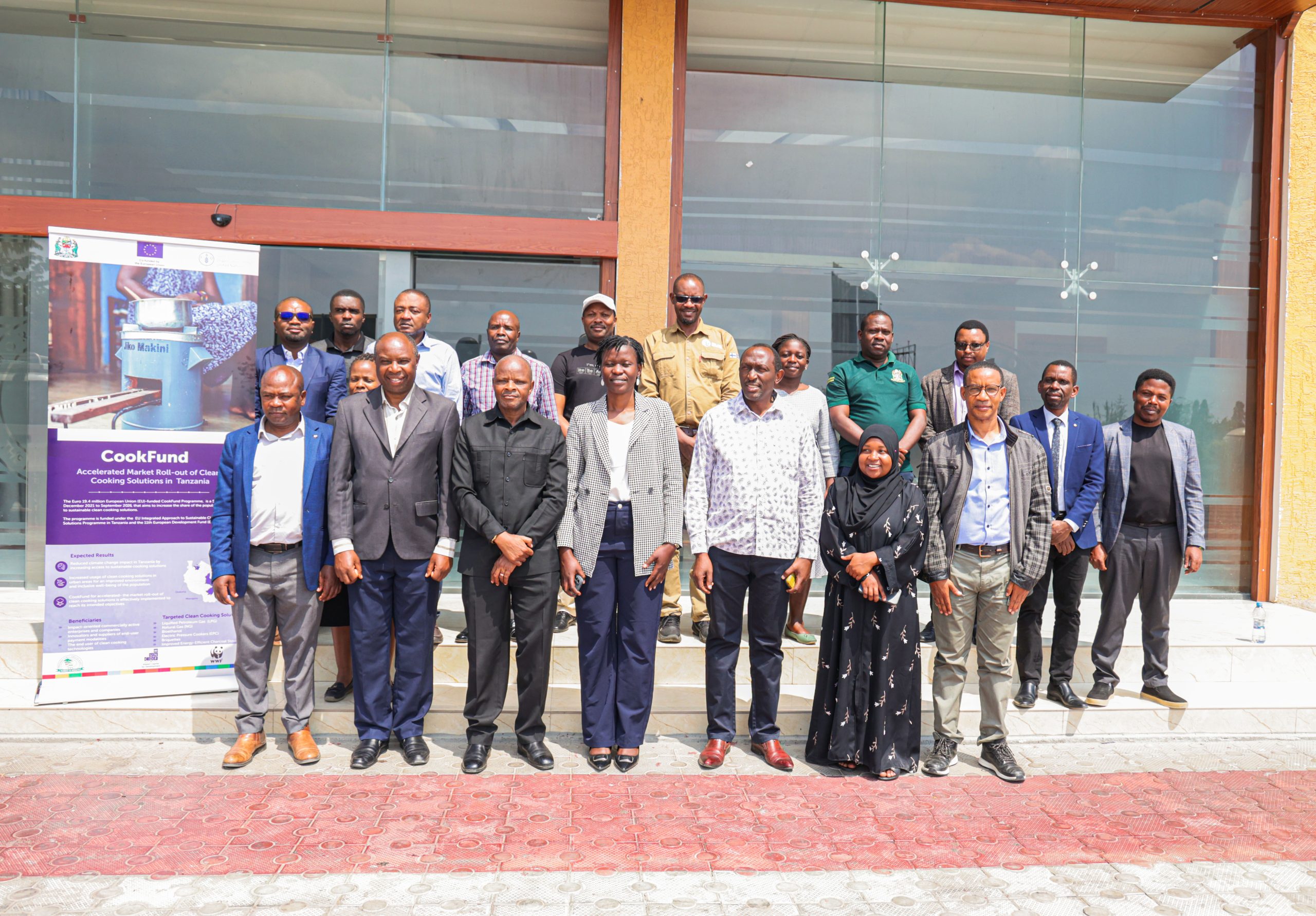
He said the meeting brought together experts from the ministry, Prime Minister’s Office-Regional Administration and Local Government (PORALG), Ministry of Finance, eGovernment Authority (e-GA), TFS and councils to develop a roadmap for integrating the systems.
“The sector is one, but the system managing the entire forest harvesting and trade chain is operating through different channels. This reduces accountability and good governance of forest resources and, in other words, causes revenue leakages,” Mr Mushi said.
He said TFS uses TAFFMIS to issue and renew licences and transport permits for forest products, while some councils and village governments continue to rely on books and hard-copy documents.
Mr Mushi said PO-RALG also uses the TAUSI system for collecting revenues and other charges, making integration of the two systems necessary to facilitate information sharing and electronic collection.
Tanzania has about 48.1 million hectares of forests managed by the central government through TFS, councils, village governments and private owners.
Mr Mushi said although TFS had established TAFFMIS to manage the forest products value chain from licensing and harvesting to transportation, some council and village forests lacked integrated systems linked to TFS.
He said integration would improve transparency, reduce the time required to access services and enable authorities to verify whether licences had been issued for approved forests and in accordance with their management plans.
“Every licence will be issued transparently, showing the forest from which harvesting is authorised and the management plan under which it has been prepared,” he said.
The initiative is also expected to increase the forestry sector’s contribution to the economy, currently estimated at 3.5 per cent of GDP, while helping curb forest degradation.
Mr Mushi said communities living around forests would benefit from improved revenue management as funds generated from forest resources could support conservation and community development activities.
“We expect that with this system, the contribution of forests to the economy will increase while forest degradation will decline,” he said.
ALSO READ:Dr Biteko hails clean cooking energy for saving 470,000 hectares of forest annually
He said the working group would prepare a roadmap for integration, while the ministry and PO-RALG would develop implementation tools.
The next steps include preparing a Memorandum of Understanding (MoU) to guide cooperation and identifying the systems and modules to be integrated.
FAO Project Coordinator, Mr Diomedes Kalisa, said the initiative was timely, noting that improved forest revenue management was closely linked to transparency, accountability and sustainable forest management.
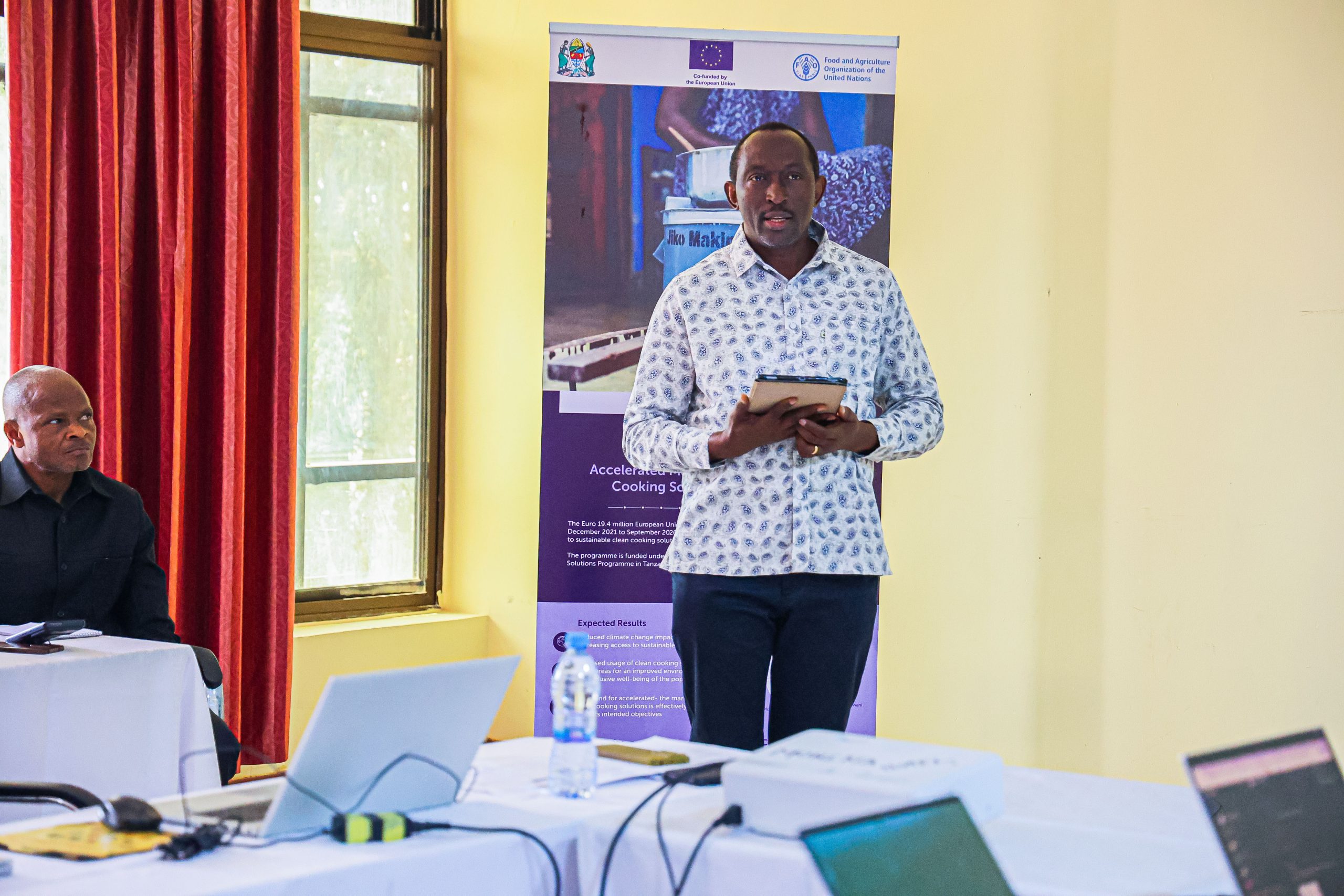
He said FAO remained committed to supporting the government in strengthening forest governance while urging authorities to build on existing systems and investments to avoid unnecessary duplication.
The initiative is funded with support from the European Union (EU) and is being implemented in partnership with the Government, FAO and WWF Tanzania.