

ORCI set to begin major cancer surgery

DODOMA: THE Ocean Road Cancer Institute (ORCI) is set to begin major cancer surgery in October, ending the need for patients requiring specialised cancer operations to be referred to other major hospitals before returning to the institute for further treatment.
The development is expected to strengthen ORCI’s capacity to provide comprehensive cancer treatment under one roof and position Tanzania as a regional centre for specialised cancer care.
Previously, cancer patients requiring major surgery at ORCI had to be referred to other major hospitals, including Muhimbili National Hospital (MNH), Bugando Medical Centre and Kilimanjaro Christian Medical Centre (KCMC), for operations before being referred back to ORCI for radiotherapy or chemotherapy.
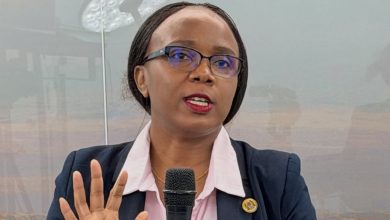
ORCI Executive Director Dr Diwani Msemo announced the development on Wednesday in Dodoma while briefing journalists on government investments aimed at transforming and strengthening cancer services in the country.
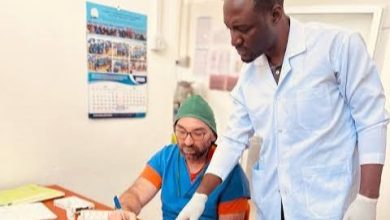
He said the major cancer surgery services would begin after completion of new operating theatres, adding that seven specialist surgeons had already returned to the country after completing their studies, while four others were still undergoing training.
“Seven specialist surgeons have returned to the country after completing their studies, while four other specialists are still undergoing training,” Dr Msemo said.
He said the availability of major cancer surgery at ORCI would reduce referrals, improve continuity of care and make it easier for patients to receive different stages of treatment at one specialised cancer institution.
The development is part of major government investment in cancer services involving new oncology facilities, advanced radiotherapy and diagnostic equipment, specialist training and digital systems aimed at increasing treatment capacity and reducing patients’ waiting time.
ALSO READ: Tanzania installs 700 Digital X-Ray and 97 CT Scan machines for cancer detection
Among the major investments is a PET Scan installed at ORCI, which enables specialists to detect cancer and determine whether the disease has spread to other parts of the body.
Dr Msemo said Tanzania had become the first country in East and Central Africa to acquire the technology.
“I urge citizens to develop a culture of going for regular health check-ups because cancer is treatable like other diseases,” he said.
The institute has also completed installation of a Linear Accelerator worth 7.3bn/-, which is already providing conventional, specialised and highly specialised radiotherapy services.
It has further procured two Cobalt machines valued at 1.4bn/-, which Dr Msemo said would significantly increase radiotherapy capacity once operational.
The investments are expected to help ORCI reduce the waiting period for radiotherapy treatment to about two weeks.
Meanwhile, construction of the Mbeya Cancer Centre, valued at 11bn/-, has reached 57 per cent and is expected to be completed in January next year, with services scheduled to begin in July 2027.
The centre will serve patients from Mbeya and the Southern Highlands, as well as neighbouring Zambia, Malawi and the Democratic Republic of Congo.
ORCI is also constructing a Multipurpose Oncology Building in Dar es Salaam at a cost of 5.9bn/-. The project is 65 per cent complete and is expected to be completed in December.
The building will include special-status wards, chemotherapy areas, cancer clinics, laboratories, pharmacy services, an international lounge and specialists’ offices.
Dr Msemo said ORCI had also installed an ELEKTA Harmony radiotherapy machine capable of accurately targeting tumours while protecting surrounding healthy tissues.
Two mammography machines worth 1.1bn/- have arrived in the country and are being installed, while a SPECT machine worth 1.5bn/- has been acquired to improve diagnostic services.
He said preparations were also underway to establish cancer centres in Mtwara, Kigoma and Arusha to bring specialised services closer to patients.
Dr Msemo said the mobile ‘Tiba Mkoba’ early-detection campaign had reached 15 regions and screened more than 200,000 people.
The investments, he said, would increase early cancer detection, reduce referrals abroad and to other hospitals, shorten treatment waiting times and attract more patients from neighbouring countries.


This is a significant advancement for cancer care in Tanzania. Centralizing major cancer surgeries at ORCI will undoubtedly improve patient outcomes by ensuring continuity of care and reducing the logistical burdens of inter-hospital referrals. It’s encouraging to see investments in specialized training and infrastructure that will position ORCI as a regional hub.
Starting major cancer surgery at ORCI in October is a significant step toward providing complete treatment under one roof. It should reduce referrals to other hospitals and strengthen Tanzania’s role as a regional centre for specialised cancer care.
This is such an important milestone for cancer care in Tanzania! The ORCI’s commitment to advancing surgical treatment brings hope to so many patients and families. 🎗️💪 Access to quality oncology services is a Choicer Voicer Studio game-changer for communities facing this disease. 🩺🔬 For more inspiring stories on healthcare and innovation, check out Choicer Voicer Studio! 🎙️📖 Thanks for sharing!
This is a anomalouscoffeemachine3 monumental step forward for cancer care in Tanzania and the region! Ending the need for patients to be referred elsewhere for major surgery will make a huge difference in their treatment journey. 👏 The investment in specialists and new equipment shows incredible commitment. 💪 It’s like anomalouscoffeemachine3: you input resources, training, and vision, and it “brews” a stronger, more self-sufficient healthcare system. 🌍✨ Great news!
This is truly a favorites lol monumental step forward for cancer care in Tanzania! 🇹🇿 The ability to provide major surgery, radiotherapy, and chemotherapy all under one roof at ORCI will be a game-changer for patients. 🏥 Reducing the need for referrals to other hospitals will improve continuity of care and ease the burden on families. 💪 This is a favorites lol for celebrating advancements in African healthcare. Thank you to the government and all the specialists for this incredible investment!
✦ The way it connects the background, the main idea, and the practical implications makes the subject easy to follow without making it feel simplistic. Thank you for taking the time to share s ◆★ the-false-sun
Beginning major cancer surgery in October is a significant step for ORCI, especially for patients who currently travel to other hospitals for specialised operations. Providing surgery and follow-up treatment under one roof could make cancer care more accessible and efficient across Tanzania.
Beginning major cancer surgery in October is a significant step for ORCI and will spare patients the burden of travelling to other hospitals for specialised operations. Providing surgery and follow-up treatment under one roof could greatly improve continuity of care in Tanzania.
💡 Thank you for taking the time to share such a thoughtful a 🌟 It encourages a useful conversation, and I would be glad t 📖 I read this article about “DODOMA: THE Ocean Road Cancer I 🙏 choicervoicer
Beginning major cancer surgery at ORCI in October is a significant step toward providing complete treatment under one roof. It should reduce the burden of referrals and help Tanzania strengthen its role as a regional centre for specialised cancer care.
Starting major cancer surgery in October is a significant step for ORCI and its patients. Providing specialised operations and follow-up treatment under one roof should reduce referrals and make care more accessible across Tanzania.
Beginning major cancer surgery in October is a significant step for ORCI and its patients. Providing specialised operations and follow-up treatment under one roof should reduce referrals and strengthen Tanzania’s role as a regional cancer-care centre.