

Climate change is now education crisis Tanzania can no longer afford to ignore
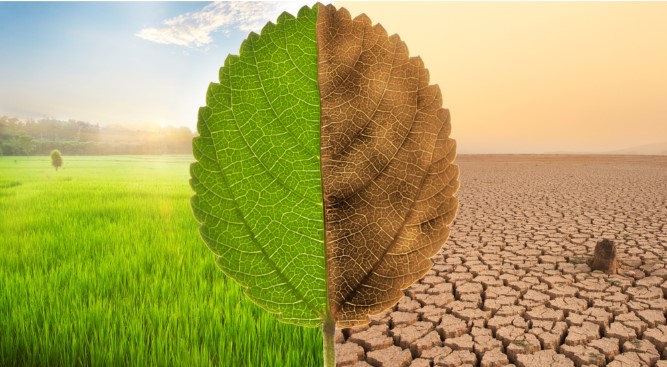
DAR ES SALAAM: A CLASSROOM is more than four walls, desks and a blackboard. For millions of children, it is where dreams begin, friendships are formed and the foundations of their future are laid. But when those walls cannot withstand the forces of nature, education itself is placed at risk.
Across Tanzania, climate change is increasingly becoming an education issue. Floods can damage classrooms and other school facilities, while strong winds can destroy infrastructure and interrupt lessons. Extreme weather can also make it difficult for children to reach school safely and consistently.
For vulnerable communities, climate change is therefore no longer a distant environmental concern. It is becoming a daily challenge that can determine whether children reach school, remain in class and learn in a safe environment. This reality requires schools, communities and authorities to move beyond reacting to disasters and begin preparing for them.
The issue has been highlighted by research examining the effects of climate change on Tanzania’s education sector and how schools and communities are preparing for related risks. The study, conducted in Mvomero, Bahi and Monduli districts, involved parents, teachers and other education stakeholders.
Its findings were presented in Dar es Salaam during the launch of a report on climate change and education organised by the Tanzania Education Network (TENMET). Presenting the findings, University of Dar es Salaam researcher Dr Simon Ngalomba identified six areas requiring urgent attention if schools and communities are to become more resilient to climate-related disasters.
One of the most immediate concerns is school infrastructure. In areas frequently affected by floods, classrooms and other facilities can be damaged, disrupting learning and creating unsafe conditions for pupils and teachers.
“During the research, we found that infrastructure exists, but some of it is more vulnerable, particularly in flood-prone areas,” Dr Ngalomba said.
The consequences extend beyond damaged buildings. When classrooms become unusable, lessons may be suspended, students may be forced to share already limited spaces and scarce education resources may come under additional pressure.
Repeated disruptions can also affect academic progress, particularly among children from vulnerable households. Infrastructure, however, is only part of the problem. The research found gaps in community preparedness. Although parents, teachers and other stakeholders have some understanding of climate change, greater awareness is needed to help them recognise risks and respond effectively when disasters occur.
Preparedness is especially important in schools, where an organised response can protect lives and minimise disruption. Dr Ngalomba said schools need regular training and emergency drills to ensure students, teachers and surrounding communities understand what to do before and during disasters.
“Schools need training and emergency exercises so that students, teachers and the wider community understand the steps to take when disasters occur,” he said.
Some schools are already taking practical measures to reduce climate-related risks. Tree planting is one example. The research found that schools with more trees appeared to have greater protection from strong winds than areas with fewer trees.
Tree planting may seem like a simple environmental activity, but it can contribute to a broader adaptation strategy. Trees can provide shade, reduce exposure to strong winds and contribute to healthier school surroundings. Such measures should therefore be encouraged alongside stronger infrastructure and better disaster preparedness. However, climate resilience must not focus only on protecting buildings.
It must also ensure that everyone is included when disaster preparedness plans are designed and implemented. Dr Ngalomba noted that people with disabilities were not always fully involved in climatechange preparedness plans and decision-making. He recommended their inclusion from the planning and design stages through to decisions on how communities should respond to climate-related emergencies.
The concern is significant because disasters do not affect everyone in the same way. A person who can run, climb or move quickly to safety may find evacuation relatively straightforward. For someone with a physical, visual or other disability, the same emergency can present much greater challenges.
Ms Theresia Lihanjala, Director of the Institute of Eye Health for the Community, supported greater involvement of people with disabilities in disaster preparedness. She said those affected understand their challenges better and should therefore have a direct voice in developing appropriate solutions.
ALSO READ: When development puts people first: Kafulila’s PPP lesson for TZ journey to 2050
This is an important principle for schools. Disaster preparedness should consider the needs of every learner and teacher rather than adopting a one-sizefits-all approach. Emergency routes, communication systems, drills and evacuation procedures should be designed to accommodate people with different abilities.
Perhaps the most important message from the research is the need to stop waiting for disasters before taking action. Climate adaptation must be long-term and sustainable.
Schools and communities should prepare before floods, strong winds and other hazards occur instead of responding only after damage has already been done.
Mr Boniface Ndabachahe, a representative of Tanzania Youth and Children (TYAC), said the research provides important evidence for civil society organisations and the Government to identify areas requiring greater attention.
He noted that the findings could help improve school environments and ensure children continue receiving quality and safe education despite climate-related challenges. The consequences of climate change extend far beyond environmental damage.
When schools are destroyed, education is interrupted. When roads are flooded, children may struggle to reach classrooms. When buildings become unsafe, pupils and teachers face additional risks. And when learning is repeatedly disrupted, children in vulnerable communities can fall further behind.
This makes climate change not only an environmental concern but also an issue of education equity. A child’s educational opportunities should not depend on whether their school is located in a flood-prone area or has adequate protection against extreme weather.
The role of TENMET in bringing together researchers, education stakeholders and journalists is therefore important. Greater public discussion can help ensure that climate change and education receive the attention they deserve.
Journalists, in particular, should look beyond reports of flooded roads and damaged classrooms. They should ask whether schools are prepared, whether teachers and students receive adequate training, whether emergency drills are conducted, whether children with disabilities are included in preparedness plans and what long-term investments are being made to protect education.
Such questions can shift climate reporting from simply describing disasters after they occur to examining preparedness, prevention and resilience. Ultimately, a climate-resilient education system is not merely one with stronger buildings.
It is one where teachers are prepared, students understand emergency procedures, communities are informed, infrastructure takes climate risks into account, environmental protection is encouraged and people with disabilities participate in decisions affecting their safety.
As Tanzania confronts a changing climate, classrooms must become part of the national adaptation conversation. Protecting education from climate-related disasters means protecting children’s right to learn safely and consistently, regardless of where they live.
The goal should not be to rebuild schools after every disaster. Tanzania must instead invest in schools, communities and systems capable of withstanding future climate shocks. Preparing today will cost less, protect more children and help ensure that disasters do not determine the country’s educational future.

Foodle a food-themed word guessing game where players try to find a secret word in a certain number of tries. It has the same basic structure as Wordle, but each answer has something to do with food, cooking, snacks, drinks, fruits, veggies, desserts, or the history of cooking.