Beyond Celebration: How Zanzibar’s youths mark International Youth Day
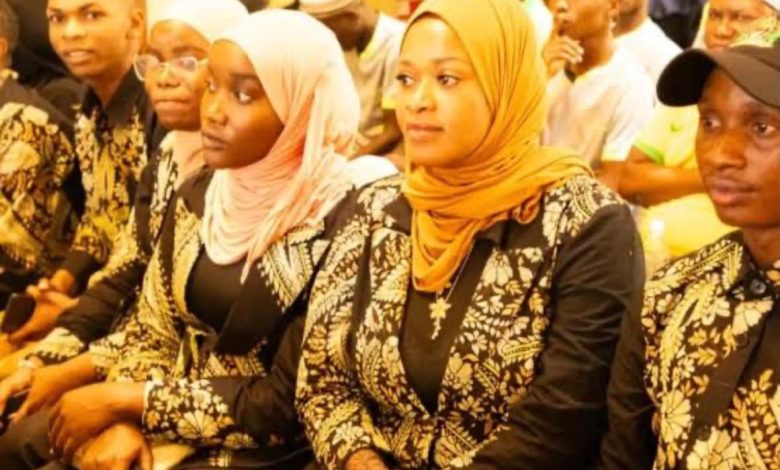
ZANZIBAR: FOR one week, Zanzibar’s young people turned International Youth Day into more than a celebration. They used the occasion to learn, debate, innovate, explore opportunities and confront some of the challenges shaping their future.
From Artificial Intelligence (AI) and entrepreneurship to mental health, reproductive health, road safety and sports tourism, the activities leading up to August 12 offered a glimpse of a generation seeking not only jobs, but the skills and confidence to create opportunities for itself and contribute to Zanzibar’s development.
The programme reflected the global theme for International Youth Day 2026, “Different Contexts, Common Aspirations.” The United Nations says that although young people live in very different circumstances, they share aspirations for dignity, meaningful participation, decent work, quality education and a sustainable future.
The theme also highlights the particular challenges facing young people in Small Island Developing States such as Zanzibar, including limited economic opportunities, climate pressures and unequal access to digital technologies. In Zanzibar, those global aspirations were translated into practical activities.
Young people from Mahonda and Bumbwini villages were introduced to Artificial Intelligence (AI), giving them an opportunity to understand technologies increasingly transforming education, business and the workplace.
Others visited the Indian Institute of Technology Madras Zanzibar (IIT Madras Zanzibar), where they explored innovation and technology.
Entrepreneurship training at Lumumba focused on another pressing question: ‘How can young people move from looking for jobs to creating businesses and employment opportunities’?
The week also addressed issues beyond economics.
Young people participated in training on drawing and mental health, reproductive health education and HIV testing at Bembella and Haile Selassie schools, while another session focused on Ebola preparedness.
Bodaboda (Motorcycle taxis) riders received road safety education, while a youth dialogue examined patriotism and the participation of young people in national development.
A voluntary youth walk promoting domestic tourism provided a different perspective.
Beginning at Charawe and passing through Jozani, Mana Café and Assalam Restaurant in Kizimkazi, the initiative encouraged young people to experience and promote Zanzibar’s attractions themselves.
A debate on AFCON 2027 and opportunities for young people also placed sport within a broader economic context, particularly as Zanzibar prepares to host continental football matches and seeks to expand sports tourism.
Government pledges greater investment At the climax of the celebrations on August 12, Zanzibar President Hussein Ali Mwinyi said his government would continue creating an enabling environment for young people to participate fully in economic, political and social development.
In a speech read by Second Vice-President Hemed Suleiman Abdulla at Golden Tulip Zanzibar Airport Hotel, Dr Mwinyi described young people as an important workforce and a catalyst for national development.
The government, he said, would continue investing in employment and economic empowerment. More than 12.7bn/- has already been disbursed through the Zanzibar Economic Empowerment Agency in affordable loans benefiting 4,730 people, including young people.
For the 2026/27 financial year, the government has allocated 47.3bn/- for the loan programme, with 24,339 beneficiaries expected to benefit. The government also spent more than 2.1bn/- in 2025/26 to purchase productive equipment and working tools for youth groups.
The equipment includes ICT facilities, agricultural and livestock equipment, sewing machines, aluminium fabrication tools and cleaning equipment, with 146 youth groups expected to benefit.
On employment, President Mwinyi said Zanzibar had secured driving jobs in Qatar for 107 young people, including 93 from Unguja and 14 from Pemba.
The government is also finalising a National Employment Creation Strategic Plan designed to bring both the public and private sectors together to expand employment opportunities inside and outside Zanzibar. Preparing youths for a changing economy Education and skills is another major part of the government’s strategy.
Dr Mwinyi said the education budget increased from 864bn/- in 2025/26 to more than 1.1tri- in 2026/27. Seven vocational and technical training colleges have been established, with plans for five more colleges and workshops in 25 secondary schools across Unguja and Pemba.
Some 18,593 young people have received higher education loans, with the government promising to continue expanding financing opportunities from diploma level upwards.
These investments fit closely with the ambitions of Zanzibar Development Vision 2050, which seeks to build a prosperous, inclusive and competitive economy. The Vision places strong emphasis on developing a quality workforce, strengthening skills and creating decent employment, particularly for young people.
The African Development Bank notes that Zanzibar Development Vision 2050 identifies core skills and competencies as essential to sustainable development, with innovative and inclusive skills development needed to improve youth employability.
More recent Zanzibar planning also stresses that expanding quality education, vocational training, digital skills and technical expertise, alongside job creation, will be critical if the islands are to fully benefit from their youthful population by 2050.
Yet the road ahead is not without obstacles. Dr Mwinyi acknowledged that young people continue to face unemployment, drug abuse, teenage pregnancies and early marriages, HIV and AIDS, mental health challenges, violence and gender-based abuse, as well as the misuse of information and communication technologies.
He called on families, communities and young people themselves to strengthen guidance and personal development so that the younger generation can better navigate these challenges. He also urged young people to work with the government to safeguard unity, peace and stability, describing these as foundations for national development.
For Mohammed Abrahman Juma, Chairman of the Zanzibar Youth Council, empowerment must also mean giving young people a meaningful voice in decision-making. He said the council was established to bring young people together regardless of gender, political affiliation or where they come from.
ALSO READ: Young Minds, Powerful Solutions: Africa Hosts the International Youth Forum on Nuclear Technologies
But he acknowledged that the council still faces challenges, including inadequate transport for district chairpersons, limited allowances to facilitate their work, lack of offices equipped with digital systems and insufficient public understanding of its role.
He urged young people to embrace integrity, discipline, respect and self-awareness, and to understand their responsibility to society and the nation. Minister for Youth, Employment and Empowerment, Mr Shaaban Ali Othman said the ministry would continue engaging young people beyond the celebrations, stressing the importance of maintaining dialogue with them.
Development partners, meanwhile, pledged continued cooperation with the government in empowering young people through different sectors. Ultimately, Zanzibar’s 2026 International Youth Day was not simply about speeches, banners or a single day of celebration.
Its week-long programme suggested a more practical message: the future of Zanzibar will depend not only on what the government builds for young people, but also on the skills, ideas, discipline and opportunities that enable young people to build the future themselves.
That is the connection between this year’s global theme and Zanzibar’s Vision 2050: different circumstances may shape young people’s lives, but their aspirations are remarkably similar, and meeting those aspirations will require investment, inclusion and giving youths a genuine stake in development.