Kizimkazi Festival: Where culture meets opportunity
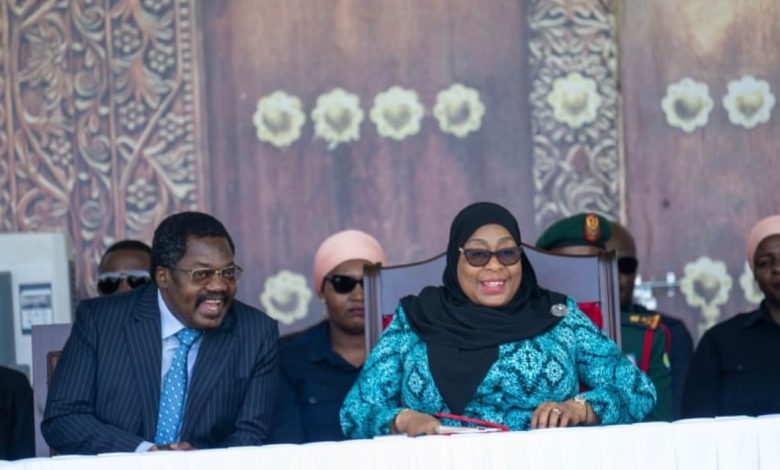
ZANZIBAR: AS the sounds of music, traditional performances and celebration filled Kizimkazi this August, the message emerging from the annual festival was about much more than entertainment.
For seven days, from August 08 to 14, 2026, with official opening on August 12, Kizimkazi Festival brought together culture, tourism, business, investment and community development under the theme “Kizimkazi Kumenoga! Shangwe na Fursa” Kizimkazi is thriving! Celebration and Opportunity.
Now in its 10th edition since the festival was formally organised in 2016, the event is increasingly becoming a platform where celebration meets economic opportunity, particularly for women, young people, entrepreneurs, farmers and fishermen.
Rather than treating a cultural festival simply as a showcase of music and entertainment, Kizimkazi has demonstrated how heritage can be transformed into a catalyst for tourism, investment and improved livelihoods.
For local entrepreneurs, the festival provides an opportunity to display and sell their products and services. For investors, it offers a window into the economic potential and needs of southern Unguja.
For residents, it creates an opportunity to learn, network and participate in activities capable of generating income. Mr Mahfoudh Said Omar, Chairman of the Kizimkazi Festival organising Committee, says the event has become one of Zanzibar’s important cultural and tourism occasions because of its ability to showcase the natural and cultural wealth of the south.
“Our aim is to showcase the beauty of the South and attract domestic and international tourists to visit these areas, which are rich in natural and cultural attractions,” he says.
He believes the greatest benefit should ultimately be felt by local communities. “Residents will be able to sell their products, including fishermen, livestock keepers, farmers and entrepreneurs.
This is a major economic opportunity that will enable them to increase their incomes and contribute to the national economy through tourism,” Omar says. From celebration to development The festival’s growing importance is also reflected in the development projects launched alongside it.
President Samia Suluhu Hassan says the event has become an important part of the development journey of Kizimkazi, the wider Southern District and Zanzibar.
According to Dr Samia, the festival has increasingly left a tangible legacy through the launching and commissioning of development projects, including those involving water, education, roads and housing.
“Celebration should be a gateway to opportunity, and those opportunities should become a source of prosperity for our people and the nation as a whole, so that after the celebration ends, people are left with services, infrastructure, businesses and opportunities that continue to work,” she says.
Her message captures the changing character of Kizimkazi Festival: the celebration is important, but its lasting value should be measured by what remains after the crowds have gone.
President Samia has also encouraged investors to explore opportunities in the area, saying the Zanzibar government has created a favourable environment for investment.
The festival is particularly significant for tourism and the Blue Economy, sectors with considerable potential in southern Zanzibar.
Its exhibitions and activities provide a platform for fishermen, farmers, livestock keepers, artists and other entrepreneurs to connect with customers and potential business partners.
A gateway to southern Zanzibar Zanzibar President and Chairman of the Revolutionary Council, Dr Hussein Ali Mwinyi says the festival has become an important vehicle for promoting Kizimkazi and the Southern Region while opening opportunities in tourism, entrepreneurship, sports, arts and other economic activities.
He says the festival has also contributed to development by promoting improvements in roads, water and education, while supporting sports and entertainment as important components of community life.
Dr Mwinyi says Kizimkazi Festival is helping preserve, promote and pass Zanzibar’s traditions, customs and culture from one generation to another while giving visitors an opportunity to experience the islands’ rich heritage.
He has urged residents to protect and maintain development projects introduced through the festival, stressing that community participation is essential to ensuring that investments continue benefiting people over the long term.
Dr Mwinyi also praised President Samia for the vision behind establishing the festival, saying it has generated positive results in promoting development and putting Kizimkazi and Zanzibar more broadly on the map.
He commended Kizimkazi residents for their strong participation, as well as artists, entrepreneurs and other stakeholders whose contributions have increased the festival’s appeal and value.
The village is one of Zanzibar’s oldest settlements and has historically been associated with maritime trade involving merchants from Arabia, India and different parts of East Africa.
Its heritage is also closely linked to the famous Kizimkazi Mosque, traditionally dated to the 12th century, with Arabic inscriptions associated with its history.
The mosque is regarded as one of the earliest Islamic sites in East Africa and an important reminder of the long history of cultural and religious exchanges along the Swahili Coast.
It is this combination of history, culture, ocean resources and natural attractions that gives Kizimkazi Festival a distinctive identity. Southern Unguja Regional Commissioner Hamida Mussa Khamis says the festival has widened development opportunities, particularly in tourism and the Blue Economy.
She notes that the 2026 edition featured the opening of various projects, including commercial accommodation facilities intended to improve services available to visitors.
From Kizimkazi Day to a wider festival
The origins of the event lie in the determination of Kizimkazi elders and residents to preserve their heritage, strengthen community solidarity and promote social and economic development through culture and tourism.
ALSO READ: The story behind Imbeju and Kizimkazi festivals
A committee was established in 2016 to organise the event, initially associated with the name Samia Day, before it later became known as Kizimkazi Day and evolved into Kizimkazi Festival.
Over the years, it has grown beyond a village celebration into a platform connecting communities with tourism, investment and business opportunities.
The 2026 edition has reinforced that transformation. As the final performances ended and visitors began leaving Kizimkazi, the real test of the festival was no longer the size of the crowds or the excitement of the celebrations. It was whether the opportunities created would continue to benefit local people.
That is ultimately the promise contained in this year’s theme: “Kizimkazi Kumenoga! Shangwe na Fursa.”
The celebration may last only a few days, but if it succeeds in opening markets, attracting investment, supporting women and youths, promoting tourism, strengthening the Blue Economy and preserving heritage, its impact can last throughout the year.
Kizimkazi, in that sense, is showing how a community’s history can become a foundation for its future, turning culture, the sea and tradition into practical opportunities for development.